
Walnuts are a kitchen staple, but they spoil faster than most people expect. At room temperature, shelled walnuts last about 2 to 4 weeks. In the refrigerator, they last about 3 to 6 months. In the freezer, they can stay good for 1 year or longer. The exact timeline depends on how they are stored and whether they still have their shells.
How Long Do Walnuts Last at Room Temperature?
Shelled walnuts left on the counter have a short life. Expect them to stay fresh for about 2 to 4 weeks. Heat is the main enemy. A warm kitchen speeds up the natural oils going rancid.
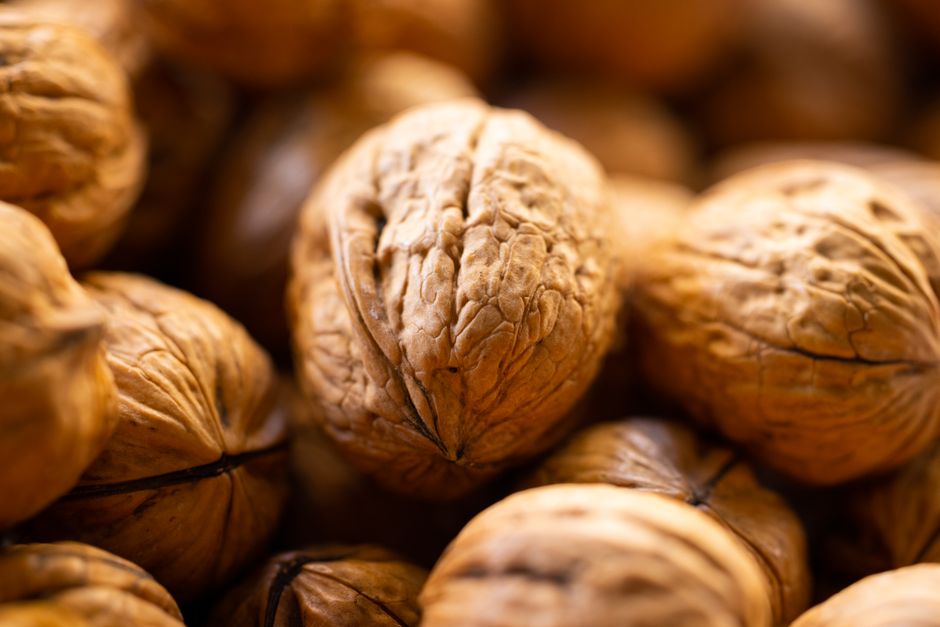
Walnuts still in their shells last longer at room temperature. The shell acts as a protective barrier. In-shell walnuts can stay good for about 6 to 8 months in a cool, dark pantry. If your kitchen runs warm, that time drops.
Do not store walnuts near the stove, oven, or a sunny window. Those spots get too warm. A pantry or a cupboard away from heat sources is the better choice for short-term storage.
How Long Do Walnuts Last in the Fridge?
Refrigeration is the best way to keep shelled walnuts fresh for everyday use. In an airtight container, shelled walnuts last about 3 to 6 months in the fridge. The cold slows down the oxidation process that causes rancidity.
Use a sealed glass jar or a resealable plastic bag. Squeeze out as much air as possible before sealing. Walnuts absorb odors from other foods, so a tight seal matters. Keep them away from strong-smelling items like onions or fish.
In-shell walnuts also do well in the fridge. They can last up to 9 to 12 months when refrigerated. The shell plus the cold temperature gives them double protection.
How Long Do Walnuts Last in the Freezer?
The freezer gives you the longest storage window. Shelled walnuts last about 1 to 2 years when frozen properly. Some sources say they can go longer, but quality slowly declines even at freezing temperatures.
Freeze walnuts in an airtight container or a heavy-duty freezer bag. Remove as much air as you can. This prevents freezer burn and stops the walnuts from picking up other flavors.
You can use frozen walnuts directly in recipes. There is no need to thaw them first for baking or cooking. If you want to eat them as a snack, let them come to room temperature for about 15 minutes. They will crisp back up as they warm.
One caution: do not repeatedly thaw and refreeze the same batch. Each cycle introduces moisture and speeds up spoilage. Divide a large batch into smaller portions before freezing so you only take out what you need.





How Can You Tell If Walnuts Have Gone Bad?
Your senses are the best tool. Rancid walnuts have a distinct smell. Fresh walnuts smell mildly nutty and sweet. Bad ones smell like paint thinner, old cooking oil, or play dough. If the smell is off, the walnuts are past their prime.
Taste is the second test. Eat one walnut. If it tastes bitter, sharp, or soapy, the rest of the batch is rancid. Spit it out and discard the whole container. Do not try to salvage rancid nuts by roasting or adding them to recipes. The bad flavor will not go away.
Look for visible signs of spoilage. Mold appears as fuzzy spots in white, green, or black. If you see mold on any walnut, throw out the entire batch. Mold spores spread invisibly through the container.
Shriveled or discolored walnuts are another warning sign. Fresh walnuts are plump and light tan. If they look dark, greasy, or dried out, they are likely old. Texture changes alone do not always mean they are unsafe, but they often accompany rancidity.
What Makes Walnuts Spoil Faster Than Other Nuts?
Walnuts have a unique fat profile. They are high in polyunsaturated fats, specifically alpha-linolenic acid. This is the plant-based omega-3 fatty acid. It is good for your health, but it is also highly unstable.
Polyunsaturated fats oxidize quickly when exposed to oxygen, light, and heat. Oxidation is the chemical process that turns fats rancid. This is why walnuts go bad faster than pecans or cashews, which have more stable fat profiles.
Shelled walnuts have even less protection. Removing the shell exposes the nut meat directly to oxygen. The surface area of the walnut’s wrinkled texture also traps air, which speeds up the process.
This is not a safety issue in the way mold is. Rancid walnuts will not make you sick in the short term. But they lose their nutritional value and taste terrible. The healthy fats break down into compounds that are not good for you in large amounts over time.
Does Chopping Walnuts Change How Long They Last?
Yes. Chopped or ground walnuts spoil faster than whole halves. Cutting increases the surface area exposed to oxygen. More exposed surface means faster oxidation.
Chopped walnuts last about half as long as whole walnuts under the same storage conditions. If whole walnuts last 4 weeks at room temperature, chopped ones might last 2 weeks. In the fridge, chopped walnuts last about 1 to 3 months instead of 3 to 6.
Buy whole walnuts and chop them yourself when you need them. This gives you the longest shelf life. Pre-chopped bags are convenient, but they are already losing quality by the time you open them. If you do buy chopped walnuts, use them quickly.
Does the Packaging Affect Walnut Shelf Life?
Packaging matters more than most people realize. Walnuts sold in vacuum-sealed bags last longer than those in bulk bins. The lack of oxygen in vacuum packaging stops oxidation almost completely until the bag is opened.
Once you open a vacuum-sealed bag, the clock starts. Transfer the walnuts to an airtight container immediately. Do not leave them in the opened bag with the top folded over. That still lets air in.
Bulk bin walnuts are a gamble. You do not know how long they sat in the bin or how fresh they were when delivered. Buy from a store with high turnover. Ask when the bin was refilled if you can.
Check the sell-by date on packaged walnuts. This date tells you how long the product should retain quality, not safety. Walnuts are safe to eat past the date if stored well, but quality will be lower. Use the date as a guide, not a hard rule.
Can You Extend the Life of Walnuts?
Yes, with a few simple habits. Always store walnuts in an airtight container. Keep them in the fridge or freezer for long-term storage. Never leave them on the counter for more than a few days.
Buy smaller quantities more often. A large bag might seem economical, but it will go bad before you finish it. A smaller bag that you use quickly is a better value.
Label your containers with the purchase date. This removes the guesswork. When you are unsure how long something has been in the back of the fridge, a label solves the problem.
Keep walnuts away from direct light. Even in the fridge, light can degrade the oils over time. A dark container or an opaque bag offers better protection than a clear one.
Frequently Asked Questions
Can you eat walnuts past the expiration date?
Yes, if they still smell and taste fresh. The expiration date is a quality indicator, not a safety deadline. Rancid walnuts are not dangerous in the short term, but they taste bitter and have lost nutritional value.
Should walnuts be refrigerated?
Yes, for best quality. Refrigeration slows the oxidation process that makes walnuts go rancid. At room temperature, shelled walnuts last only 2 to 4 weeks.
Can rancid walnuts make you sick?
Eating a few rancid walnuts will not cause immediate illness. Regularly consuming rancid fats is not good for you over time. Trust your taste buds and discard any walnuts that taste bitter or off.
Do walnuts go bad in the shell?
Yes, but much slower than shelled walnuts. In-shell walnuts last 6 to 8 months at room temperature and up to a year in the fridge. The shell blocks oxygen and light from reaching the nut.
