
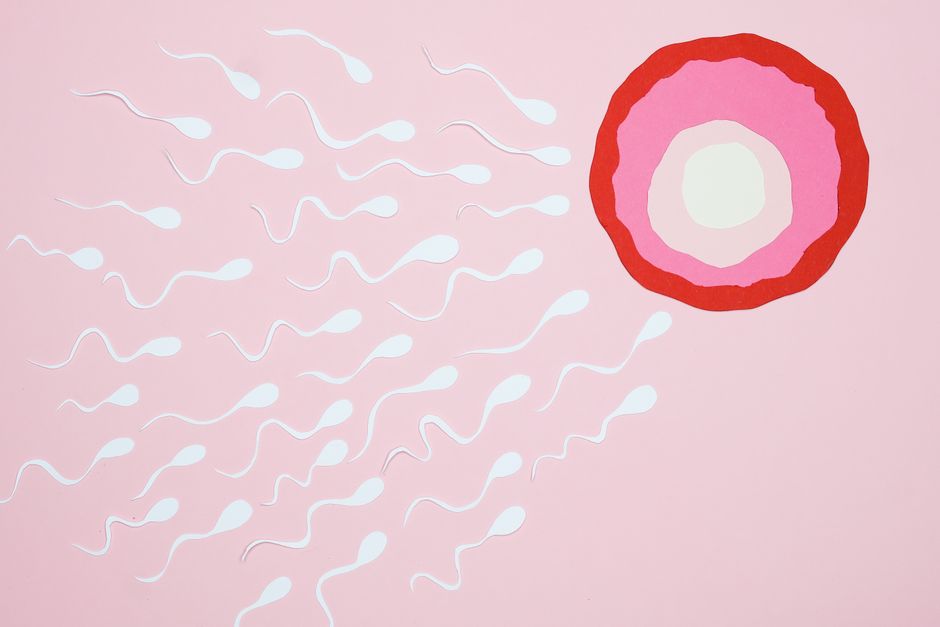
Why Does the Egg Live Only 12 to 24 Hours?
The egg is released from the ovary during ovulation. Unlike sperm, which can survive for several days in the reproductive tract, the egg has no built-in energy reserve to keep it alive longer. Once it enters the fallopian tube, it begins to break down quickly.
Research published in human reproduction journals shows that the egg’s outer layer, the zona pellucida, starts to harden within hours of ovulation. This hardening makes it harder for sperm to penetrate. By the 24-hour mark, the egg is typically no longer viable.
The body designed it this way. A fresh egg each month is more likely to be healthy than one that lingers. This short window ensures that only the healthiest eggs, fertilized at the right time, lead to pregnancy.
How Does This 12 to 24 Hour Window Affect Timing for Pregnancy?
The egg’s short life means timing matters. But here is what many people get wrong: you do not need to have sex exactly when the egg is alive. Sperm can live inside the female reproductive tract for up to five days.
So the fertile window is actually about six days long. It starts five days before ovulation and ends on the day of ovulation itself. If you have sex during this window, sperm can be waiting in the fallopian tube when the egg arrives.
The CDC reports that about 30% of couples who have sex during the fertile window will conceive in a single cycle. That number drops sharply if sex happens only after ovulation is confirmed. The egg is already on its way out.
| Timing | Chance of Pregnancy |
|---|---|
| Sex 5 days before ovulation | Low but possible (sperm survival) |
| Sex 2 days before ovulation | Highest chance |
| Sex on ovulation day | Good chance |
| Sex 1 day after ovulation | Very low to zero |
What Are the Best Ways to Track Ovulation Accurately?
If you know the egg lives only 12 to 24 hours, you need to know when ovulation happens. Guessing is not reliable. Here are methods that actually work.
Ovulation predictor kits (OPKs) detect the luteinizing hormone surge that happens 24 to 36 hours before ovulation. This gives you a clear heads-up. Studies published in the journal Fertility and Sterility show that OPKs are about 97% accurate at detecting the LH surge.
Basal body temperature (BBT) tracking confirms ovulation after it happens. Your temperature rises about 0.5 to 1 degree Fahrenheit after ovulation due to progesterone. It does not predict ovulation, but it confirms it happened.
Cervical mucus changes are another reliable sign. As ovulation approaches, mucus becomes clear, slippery, and stretchy like raw egg whites. This is the most fertile mucus and signals that ovulation is near.
Many women use a combination of these methods. Apps alone are not reliable. A 2018 study in the journal Obstetrics & Gynecology found that period tracking apps predicted fertile windows correctly only about 21% of the time.





Does Age Affect How Long an Egg Lives?
Age does not change the 12 to 24 hour lifespan of the egg. A 40-year-old woman’s egg lives about as long as a 25-year-old woman’s egg. What age does affect is egg quality.
As women age, the remaining eggs are more likely to have chromosomal abnormalities. According to the American College of Obstetricians and Gynecologists, a woman at age 30 has about a 20% chance of miscarriage. At age 40, that risk rises to about 40%. At age 45, it is about 80%.
The egg still only lives 12 to 24 hours. But the chance that a fertilized egg will lead to a healthy pregnancy drops with age. This is not about the egg’s lifespan. It is about the egg’s health.
Some people report that fertility treatments can extend the window of opportunity. But that is a misunderstanding. IVF retrieves eggs and fertilizes them in a lab. The egg’s natural lifespan after ovulation is not changed by any medication or supplement.
Can Anything Extend the Life of an Egg After Ovulation?
This is a question that comes up often. People search for ways to keep the egg alive longer to improve their chances. As of 2026, there is no clinical evidence that anything can extend the egg’s lifespan after ovulation.
Some supplements are marketed to improve egg quality. Coenzyme Q10, myo-inositol, and omega-3 fatty acids have been studied for their effects on ovarian health. Research published in the journal Reproductive Biology and Endocrinology suggests these may help with egg quality before ovulation. They do not extend the egg’s life after it is released.
The same is true for diet and lifestyle changes. Eating a balanced diet, avoiding smoking, and managing stress are all good for fertility. But none of these keep the egg alive past the 24-hour mark.
The egg’s short life is a biological fact. Working with it is more effective than trying to fight it. Focus on timing intercourse during the fertile window rather than looking for ways to extend the egg’s lifespan.
What Happens to the Egg If It Is Not Fertilized?
If no sperm fertilizes the egg within 12 to 24 hours, the egg begins to break down. It dissolves in the fallopian tube and is reabsorbed by the body. You will not notice this happening.
The breakdown of the unfertilized egg is part of the normal menstrual cycle. The body then shifts focus to preparing the uterine lining for shedding. This shedding is what causes menstruation.
About 14 days after ovulation, if no pregnancy occurred, progesterone levels drop. This drop signals the uterus to shed its lining. The egg itself is long gone by this point.
Some women worry that an unfertilized egg causes pain or symptoms. It does not. The egg is microscopic. You cannot feel it dissolving. Any pain around ovulation is from the follicle rupturing, not from the egg itself.
How Long Does an Egg Live After Ovulation 12 24 Hours Compared to Sperm?
Sperm and eggs have very different survival times. Sperm can live inside the female reproductive tract for up to five days. The egg lives only 12 to 24 hours.
This difference is why the fertile window is longer than one day. Sperm arrive early and wait. The egg arrives and is fertilized quickly or not at all.
Sperm survival depends on the quality of cervical mucus. Fertile mucus protects and nourishes sperm. In the right environment, sperm can stay alive and functional for days. The egg has no such protection.
This is a key insight for anyone trying to conceive. Having sex before ovulation is more effective than waiting until after ovulation is confirmed. The sperm arrive first, and the egg has a fresh supply waiting when it arrives.
Frequently Asked Questions
How long does an egg live after ovulation exactly?
An egg lives for about 12 to 24 hours after ovulation. If not fertilized in that time, it dissolves.
Can you get pregnant if you have sex after ovulation?
It is very unlikely. The egg is usually no longer viable 24 hours after ovulation.
Does the egg live longer if you take fertility drugs?
No. Fertility drugs stimulate the ovaries to release eggs but do not extend the egg’s lifespan after ovulation.
How do I know when I ovulate to time intercourse correctly?
Use ovulation predictor kits, track cervical mucus, and monitor basal body temperature. Apps alone are not reliable.
