
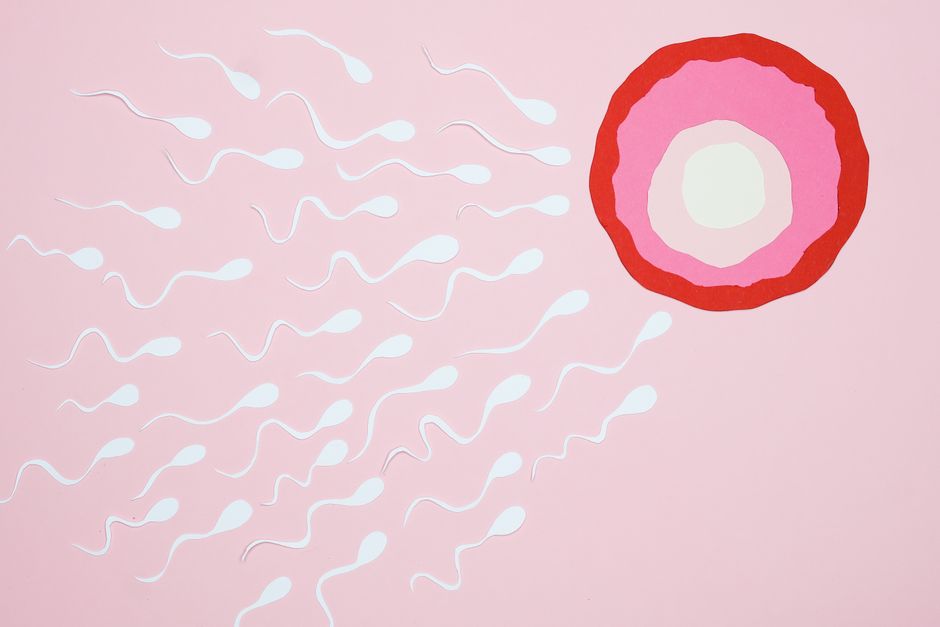
Ovulation typically happens once per cycle, and for most women, that falls about 14 days before the next period starts. If you have a classic 28-day cycle, that means ovulation occurs around day 14. But cycles vary, so the actual day can range anywhere from day 11 to day 21 depending on your cycle length. The key is counting backward from your next expected period, not forward from the first day of your last period.
How Do You Calculate Which Day Ovulation Occurs?
The luteal phase is the time after ovulation and before your next period. For most women, this phase is fairly consistent, lasting between 12 and 16 days. The average is 14 days. This consistency is what makes the calculation work.
To find your ovulation day, take your typical cycle length and subtract 14. If your cycle is 28 days, ovulation lands on day 14. If your cycle is 32 days, ovulation lands on day 18. If your cycle is 24 days, ovulation lands on day 10. The day counting starts with day 1 being the first day of your period.
This method works well for women with regular cycles. If your cycle length varies by more than a few days from month to month, the calendar method becomes less reliable. In that case, you may need other signs to pinpoint ovulation.
What Days Does Ovulation Occur In Your Menstrual Cycle?
For a 28-day cycle, ovulation occurs on day 14. For a 30-day cycle, ovulation occurs on day 16. For a 26-day cycle, ovulation occurs on day 12. The pattern is simple: subtract 14 from your total cycle length.
This places ovulation in the middle of your cycle for most women. But “middle” is not exact for everyone. Some women ovulate earlier or later depending on how long their follicular phase is. The follicular phase is the time from day 1 of your period until ovulation. This phase can range from 10 to 22 days. That wide range is why the calendar method alone can miss the mark.
If you are tracking for pregnancy or avoiding pregnancy, do not rely on the calendar alone. The fertile window opens about 5 days before ovulation and closes about 1 day after. Sperm can survive inside the female reproductive tract for up to 5 days. The egg survives only about 12 to 24 hours after release.
What Are the Physical Signs of Ovulation?
Your body gives off signals when ovulation is near. Learning these signs can help you identify your personal ovulation day with more accuracy than a calendar.
Cervical mucus changes. Around ovulation, cervical mucus becomes clear, stretchy, and slippery. It resembles raw egg whites. This change helps sperm travel to the egg. After ovulation, mucus turns thicker and cloudier.
Basal body temperature. Your resting temperature dips slightly just before ovulation, then rises about 0.5 to 1 degree Fahrenheit after ovulation. The rise happens because progesterone increases after the egg is released. You cannot predict ovulation from temperature alone because the rise happens after the fact. But tracking it over several months can show your pattern.
Ovulation pain. Some women feel a mild cramp or twinge on one side of the lower abdomen around ovulation. This is called mittelschmerz. It can last from a few minutes to a few hours. Not every woman feels it, and it is not a reliable standalone sign.
Ovulation predictor kits. These over-the-counter tests detect the surge of luteinizing hormone in urine. The surge happens 24 to 36 hours before ovulation. A positive test means ovulation is likely within the next day or two. These kits are more accurate than calendar tracking for irregular cycles.





Why Does Cycle Length Change Your Ovulation Day?
Your cycle has two main phases. The follicular phase starts on day 1 of your period and ends at ovulation. The luteal phase starts at ovulation and ends at your next period.
The luteal phase stays relatively stable for each woman. It usually lasts 12 to 16 days. The follicular phase is the variable part. Stress, illness, travel, sleep changes, and weight fluctuations can all lengthen or shorten it. That is why your ovulation day can shift from month to month even if your period usually comes on schedule.
When your period is late, it is often because ovulation happened later than usual. Your period does not come until about 14 days after ovulation. A late period does not mean your luteal phase stretched. It means your follicular phase took longer than normal.
Can You Ovulate More Than Once in a Cycle?
No. Only one ovulation occurs per menstrual cycle. During the follicular phase, several eggs begin to mature, but typically only one becomes dominant and is released. The others are reabsorbed by the body.
There is a rare exception. In some cycles, two eggs may be released within a 24-hour window. This is how fraternal twins happen. But this is still considered one ovulation event, not two separate ovulations at different times in the cycle.
Once ovulation has occurred, the empty follicle transforms into the corpus luteum. This structure produces progesterone to support a possible pregnancy. If no pregnancy occurs, the corpus luteum breaks down, progesterone drops, and your period starts.
What If You Have Irregular Periods?
Irregular cycles make ovulation timing unpredictable. If your cycle length varies by more than 7 to 9 days from month to month, you may have irregular ovulation. This can happen for many reasons, including polycystic ovary syndrome, thyroid conditions, high stress, extreme exercise, or perimenopause.
With irregular cycles, the subtract-14 method cannot reliably predict ovulation. Your ovulation day could fall anywhere. Tracking basal body temperature and cervical mucus over several months can help you identify a pattern. Ovulation predictor kits are also useful, but they require testing for more days per cycle to catch the surge.
If you have not had a period for 3 months or more, or if your cycles are consistently shorter than 21 days or longer than 35 days, speak with a healthcare provider. These patterns may signal an underlying condition that needs evaluation.
How Long Does the Fertile Window Last?
The fertile window is the 6-day span ending on the day of ovulation. This includes the 5 days before ovulation plus the day of ovulation itself. Pregnancy is possible only if sperm is present during this window or if intercourse happens on ovulation day.
Sperm can survive up to 5 days in fertile cervical mucus. The egg survives only 12 to 24 hours after release. So the most fertile days are the 2 to 3 days leading up to ovulation and ovulation day itself.
If you are trying to conceive, having intercourse every 1 to 2 days during the fertile window gives you the best chance. If you are avoiding pregnancy, the calendar method alone is not reliable enough. Use a more effective contraceptive method if pregnancy is not your goal.
Can Stress Delay Ovulation?
Yes. Stress can delay ovulation by suppressing the hormones that trigger the egg to mature and release. The effect is temporary. Once stress resolves, ovulation usually returns to normal.
This delay is why a stressful month can push your period later than expected. The ovulation day shifts, and your period follows about 14 days after the new ovulation date. If stress is chronic, ovulation may become consistently irregular.
Sleep deprivation, intense exercise, and significant weight changes also affect ovulation timing. These factors influence the hypothalamus, the brain region that regulates reproductive hormones. Keeping a regular routine supports more consistent ovulation.
Frequently Asked Questions
Can I get pregnant if I have sex 5 days before ovulation?
Yes, because sperm can survive up to 5 days inside the female reproductive tract. Intercourse on any of the 5 days before ovulation can result in pregnancy.
Is day 14 always ovulation day?
No. Day 14 is average for a 28-day cycle, but many women ovulate earlier or later. Your ovulation day depends on your total cycle length and how long your follicular phase lasts.
How do I know if I ovulated today?
The most reliable home method is combining ovulation predictor kit results with basal body temperature tracking. A positive LH surge predicts ovulation within 24 to 36 hours, and a sustained temperature rise confirms it happened.
Can I ovulate without having a period?
Yes, ovulation can occur before your first period returns after childbirth, after stopping birth control, or during perimenopause. You can ovulate without knowing it, which is why the calendar method alone is not foolproof.
