
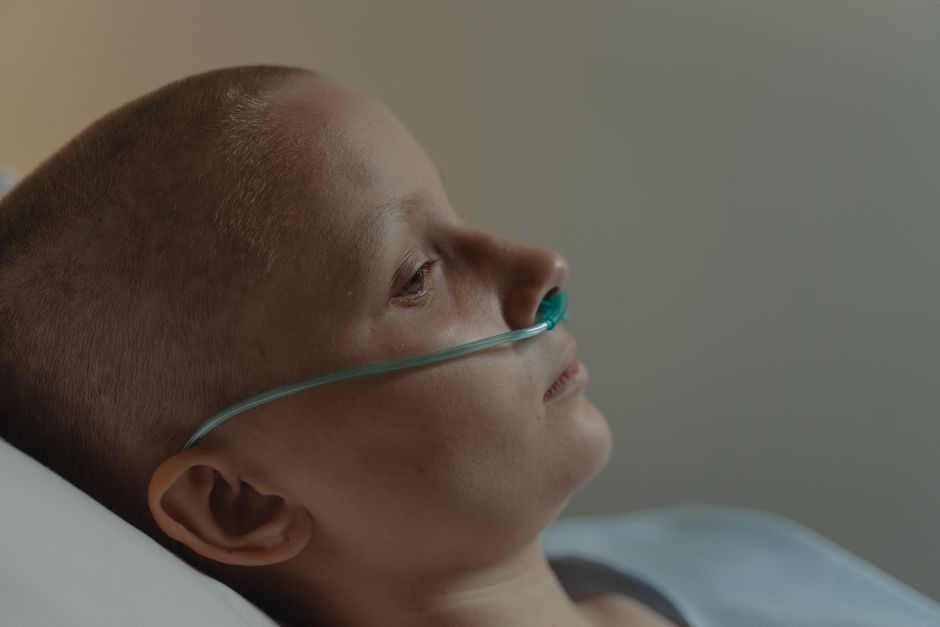
A nasal endoscopy is a quick procedure. The actual scope part lasts between one and five minutes. Your total time in the exam room, including preparation and aftercare, is usually under 20 minutes.
What Exactly Happens During a Nasal Endoscopy?
A nasal endoscopy lets your doctor look inside your nasal passages and sinus openings. They use a thin, flexible tube with a tiny camera on the end. This tube is called an endoscope.
Your doctor will spray a decongestant and a mild numbing spray into your nose. This helps prevent discomfort and reduces swelling so the scope can pass through. You will be awake the whole time. You can breathe normally through your mouth.
The scope is gently guided into one nostril at a time. The doctor looks at the color of the tissues, checks for polyps, swelling, or abnormal growths, and examines the drainage openings of your sinuses. Most people feel light pressure but no real pain. The entire inspection of both nostrils takes about one to three minutes.
Some doctors take photos or a short video through the scope. This adds maybe another minute. If they need to remove a small object or take a tissue sample (biopsy), the procedure may extend to five minutes total. That is the upper end of the typical range.
How Long Does a Nasal Endoscopy Take from Start to Finish?
The full appointment is longer than the scope itself. Here is a realistic breakdown of your total time in the clinic or hospital:
- Check-in and paperwork: 5 to 10 minutes
- Waiting room time: 5 to 15 minutes, depending on the clinic
- Numbing spray and preparation: 2 to 3 minutes for the spray to work
- The actual endoscopy: 1 to 5 minutes
- Brief discussion of findings: 2 to 5 minutes
- Getting dressed and leaving: 2 minutes
Add it up and you are looking at roughly 15 to 40 minutes total in the office. The procedure itself stays under five minutes. If you are seeing a specialist for the first time, the consultation before the scope may add another 10 to 15 minutes. In that case, plan for 30 to 60 minutes total.
Does the Procedure Hurt, and How Long Does Any Discomfort Last?
Most people report mild pressure rather than pain. The numbing spray is effective for almost everyone. The most common sensation is a tickling feeling as the scope moves past the back of the nasal cavity. Some people feel a brief urge to sneeze or cough. This passes quickly.
After the scope, the numbing spray wears off within 30 to 60 minutes. Your nose may feel slightly stuffy or runny for a few hours. A small amount of blood-tinged mucus is normal, especially if a biopsy was taken. The CDC notes that minor bleeding stops on its own within a few hours in nearly all cases.
Serious complications are extremely rare. The American Academy of Otolaryngology reports that significant bleeding or injury to the nasal lining happens in less than 1 in 1,000 procedures. If you have a bleeding disorder or take blood thinners, your doctor should know beforehand. They may take extra precautions.



What Factors Can Make the Procedure Take Longer?
Several things can stretch the one-to-five-minute window. Anatomical differences are the most common cause. A deviated septum, narrow nasal passages, or large polyps can make it harder to guide the scope. Your doctor may need extra time to navigate around these obstacles.
If the doctor finds something unexpected, they may spend additional time examining it. For example, a suspicious-looking growth might require a closer look or a biopsy. Adding a biopsy usually adds two to three minutes.
Children and anxious patients sometimes need more time. The doctor may pause to let the child calm down or use a smaller scope. In rare cases, the procedure is stopped and rescheduled with sedation. This is uncommon but adds no time to the actual scope — it just means a separate appointment.
One factor that does not meaningfully extend the procedure is the presence of active allergies or a mild cold. The decongestant spray usually clears the passages enough for the scope to pass. If the blockage is severe, the doctor may postpone the scope until the congestion resolves.
How Long Does a Nasal Endoscopy Take Compared to Similar Procedures?
It helps to compare a nasal endoscopy to other common ear, nose, and throat (ENT) procedures. The table below shows typical time ranges for the procedure itself, not the full appointment.
| Procedure | Typical Duration | Anesthesia |
|---|---|---|
| Nasal endoscopy (diagnostic) | 1–5 minutes | Numbing spray only |
| Flexible laryngoscopy (voice box) | 2–5 minutes | Numbing spray only |
| Rigid sinus endoscopy (surgical) | 15–45 minutes | Local or general anesthesia |
| CT scan of sinuses | 10–15 minutes | None |
| Nasal swab for COVID-19 | 10–30 seconds | None |
As you can see, a diagnostic nasal endoscopy is one of the fastest ENT procedures. It is much quicker than a CT scan and far shorter than any surgical sinus procedure. The only faster nose-related test is a simple swab.
What Should You Do to Prepare, and What Happens Right After?
Preparation is minimal. You do not need to fast or stop most medications. Tell your doctor about any blood thinners you take, including aspirin, warfarin, or newer drugs like apixaban. They may advise you to skip a dose, but do not change your medication without talking to them first.
Eat and drink normally before the appointment. There is no sedation involved, so you can drive yourself home. Avoid heavy exercise or blowing your nose forcefully for a few hours afterward. This gives the nasal lining time to settle down.
You can go back to work or your daily routine immediately. The only restriction is that your sense of smell may be temporarily dulled by the numbing spray. This resolves within an hour. If you had a biopsy, your doctor will tell you when to expect results, usually within 5 to 10 business days.
Some people report a brief metallic taste from the spray. This is harmless and fades quickly. If you notice heavy bleeding, severe pain, or trouble breathing after the procedure, call your doctor or go to an emergency room. These symptoms are not normal and require medical attention.
How Long Does the Numbing Last, and Can You Feel the Scope After It Wears Off?
The numbing spray used during a nasal endoscopy is typically lidocaine or a similar agent. It starts working within one to two minutes. The numbing effect lasts about 20 to 40 minutes after the spray is applied. By the time you leave the office, the sensation in your nose is mostly back to normal.
You will not feel the scope itself after the numbing wears off. The scope is removed before the numbing fades. Any residual sensation is just the normal feeling of your nasal tissues. Some people describe a mild “awareness” of their nasal passages for an hour or two. This is not pain — it is just your body noticing that something happened there.
Research published in the journal International Forum of Allergy & Rhinology found that over 90 percent of patients reported no pain during a nasal endoscopy. Those who did report pain described it as mild and brief. The study also noted that patient anxiety before the procedure was a stronger predictor of discomfort than the actual scope itself.
Common Misconceptions About Nasal Endoscopy Time
One widespread myth is that a nasal endoscopy takes 30 minutes or more. This likely comes from confusing a diagnostic scope with a surgical sinus procedure. A diagnostic scope is just looking. A surgical procedure involves cutting, removing tissue, or widening sinus openings. Those take much longer and often require general anesthesia.
Another misconception is that the numbing spray takes a long time to work or that you have to wait around for it. In reality, the spray works within two minutes. Your doctor will likely apply it and start the scope almost immediately. There is no significant waiting period.
Some people worry that the scope will get stuck or that the doctor will have to “dig around” for a long time. This is extremely rare. The scope is flexible and guided visually. If the doctor cannot pass it easily, they stop and try a different approach. They do not force it. This means the procedure either goes quickly or is stopped — it does not drag on.
Finally, there is a belief that you cannot breathe during the scope. You can. You breathe through your mouth while the scope is in one nostril. The other nostril stays open. Most people breathe normally without any problem.
Frequently Asked Questions
Can I drive myself home after a nasal endoscopy?
Yes. No sedation is used, so you are fully alert and safe to drive.
Will my insurance cover a nasal endoscopy?
Most insurance plans cover it when ordered by a doctor for a medical reason like chronic sinusitis or nasal blockage.
How long does the numbness in my nose last after the procedure?
The numbing effect typically wears off within 20 to 40 minutes after the spray is applied.
Is a nasal endoscopy the same as sinus surgery?
No. A diagnostic endoscopy is a quick look inside your nose. Sinus surgery is a longer procedure done under anesthesia.
