
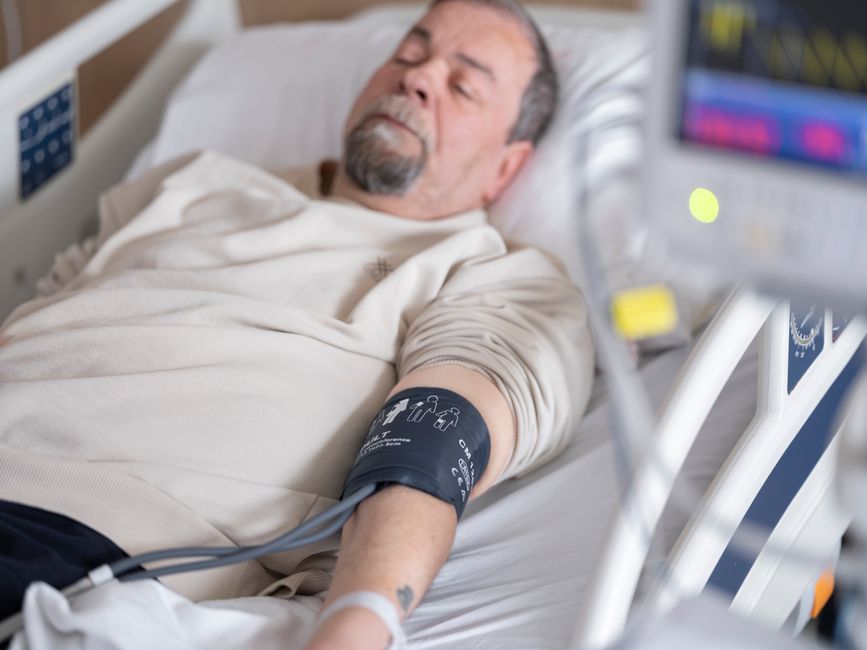
An endoscopy is a procedure that lets a doctor look directly inside your upper digestive tract using a thin, flexible tube with a camera on the end. You should get an endoscopy if you have persistent trouble swallowing, unexplained bleeding, or stomach pain that does not go away with standard treatment. Your doctor may also recommend one to check for ulcers, inflammation, or abnormal growths that other tests cannot clearly show.
What Is an Endoscopy and How Does It Work?
An upper endoscopy, also called esophagogastroduodenoscopy or EGD, examines your esophagus, stomach, and the first part of your small intestine. The doctor guides the tube through your mouth while you are sedated. The camera sends live images to a screen.
The procedure usually takes 15 to 30 minutes. You are not awake for the uncomfortable parts. Most people go home the same day. You will need someone to drive you because the sedation takes time to wear off.
During the procedure, the doctor can take small tissue samples called biopsies. This is often done to check for conditions like celiac disease, Barrett’s esophagus, or stomach inflammation. The doctor can also treat some problems during the procedure, such as stopping bleeding or removing polyps.
Who Should Get An Endoscopy Signs You Need One
Not everyone with heartburn needs an endoscopy. The procedure is reserved for specific warning signs and situations where the information will change your treatment.
You should talk to your doctor about an endoscopy if you have any of these signs:
- Difficulty swallowing, especially if food feels stuck
- Pain with swallowing
- Vomiting blood or material that looks like coffee grounds
- Black, tarry, or bloody stools
- Unexplained weight loss
- Persistent upper abdominal pain that does not improve with medication
- Anemia with no clear cause
- A feeling of fullness or pressure in the upper belly that will not go away
These symptoms can point to bleeding, strictures, ulcers, or other conditions that need direct visualization to diagnose. If you have any of them, do not wait to contact your doctor.
When Heartburn and Acid Reflux Warrant a Closer Look
Acid reflux is common. Most people manage it with lifestyle changes or over-the-counter medications. Endoscopy is not needed for typical reflux that responds well to treatment.
Your doctor may recommend an endoscopy if reflux symptoms do not improve after several weeks of treatment. It may also be recommended if you have reflux along with alarm symptoms like weight loss, bleeding, or trouble swallowing.
People with long-standing reflux may need a one-time endoscopy to check for Barrett’s esophagus. In this condition, the tissue lining the esophagus changes in response to chronic acid exposure. Barrett’s esophagus carries a small risk of developing into esophageal cancer.
The decision to screen for Barrett’s esophagus depends on your age, how long you have had reflux, and other risk factors. Your doctor will weigh these factors when deciding if a scope is worth the cost and small risk.



Unexplained Bleeding and Anemia
Bleeding in the upper digestive tract is a clear reason for an endoscopy. Vomiting blood or passing black stools requires urgent evaluation. An endoscopy can find the source of the bleeding and often stop it in the same session.
Iron deficiency anemia with no obvious cause can also prompt an endoscopy. Bleeding from the stomach or intestine can be slow and invisible. Over time, this leads to low iron stores and anemia. If you have unexplained anemia, your doctor may look at both the upper and lower digestive tract to find the source.
Finding and treating the cause of anemia matters. Chronic blood loss is not normal and should never be dismissed as a harmless finding.
Chronic Stomach Pain and Nausea
Persistent upper abdominal pain can have many causes. Some are harmless. Others need treatment. When standard therapies fail and the cause remains unclear, an endoscopy can provide answers.
An endoscopy can diagnose stomach ulcers, inflammation of the stomach lining, and infections like H. pylori. It can also identify celiac disease by taking biopsies from the small intestine. These conditions share overlapping symptoms, which makes them hard to tell apart without direct inspection.
If you have nausea and vomiting that will not resolve, an endoscopy may be part of the workup. It is not always the first test, but it becomes more useful when other evaluations come back normal and symptoms persist.
Who Should Not Get an Endoscopy
Endoscopy is safe, but it is not risk-free. The procedure carries small risks of bleeding, infection, and perforation of the digestive tract. These complications are rare, but they are real.
Do not request an endoscopy for routine acid reflux that responds to medication. Do not get one for mild, occasional indigestion. The procedure is not a screening test for everyone, and no major medical organization recommends it that way.
Evidence does not support using endoscopy for vague symptoms that do not fit a clear pattern. If your symptoms are mild and your doctor sees no red flags, the risks of the procedure may outweigh the benefits.
Your doctor may also delay an endoscopy if you have certain health conditions that increase procedural risk. These include severe lung disease, unstable heart conditions, or bleeding disorders. In these cases, the doctor will weigh whether the information gained justifies the risk.
What Happens After the Procedure
After an endoscopy, you will rest until the sedation wears off. Your throat may feel sore for a day or two. Some people notice mild bloating from the air used to inflate the stomach during the procedure. This passes quickly.
You will receive results in two forms. The doctor will tell you what they saw during the procedure. Biopsy results take several days to come back from the lab.
Follow your doctor’s instructions about eating and resuming medications. If you had a biopsy, you may need to avoid certain medications like blood thinners for a short time. Your doctor will give you specific guidance based on what was found.
Alternatives to Endoscopy
Endoscopy is not the only way to look at the upper digestive tract. Barium swallow studies use X-rays to outline the esophagus and stomach. These are less invasive but do not allow biopsies or treatment.
Capsule endoscopy involves swallowing a small camera that takes pictures as it travels through your digestive system. It is useful for examining the small intestine, which is hard to reach with a standard endoscope. It cannot take biopsies or stop bleeding.
Imaging tests like CT scans can show structural problems but miss subtle changes in the lining of the digestive tract. They cannot detect early inflammation or microscopic disease.
Each test has strengths and limits. Your doctor will choose based on your specific symptoms and what information is needed.
How to Prepare for an Endoscopy
Preparation is straightforward. You will need to stop eating and drinking for about eight hours before the procedure. An empty stomach allows the doctor to see clearly and reduces the risk of food entering your lungs during sedation.
Tell your doctor about all medications you take. Blood thinners, diabetes medications, and iron supplements may need adjustment before the procedure. Do not stop any medication without your doctor’s approval.
Arrange for someone to take you home. You cannot drive for 24 hours after sedation. Plan to take the rest of the day off work.
Frequently Asked Questions
Is an endoscopy painful?
Most people do not feel pain during the procedure because of sedation. You may feel mild throat soreness or bloating afterward that resolves within a day or two.
How long does an endoscopy take?
The procedure itself takes about 15 to 30 minutes. Plan to spend several hours at the facility for preparation, the procedure, and recovery before going home.
Can I eat before an endoscopy?
No. You must stop eating and drinking about eight hours before the procedure. An empty stomach is required for safety and clear visualization.
What can an endoscopy detect?
An endoscopy can detect ulcers, inflammation, tumors, Barrett’s esophagus, celiac disease, and sources of bleeding. Biopsies taken during the procedure can confirm many of these diagnoses.
