
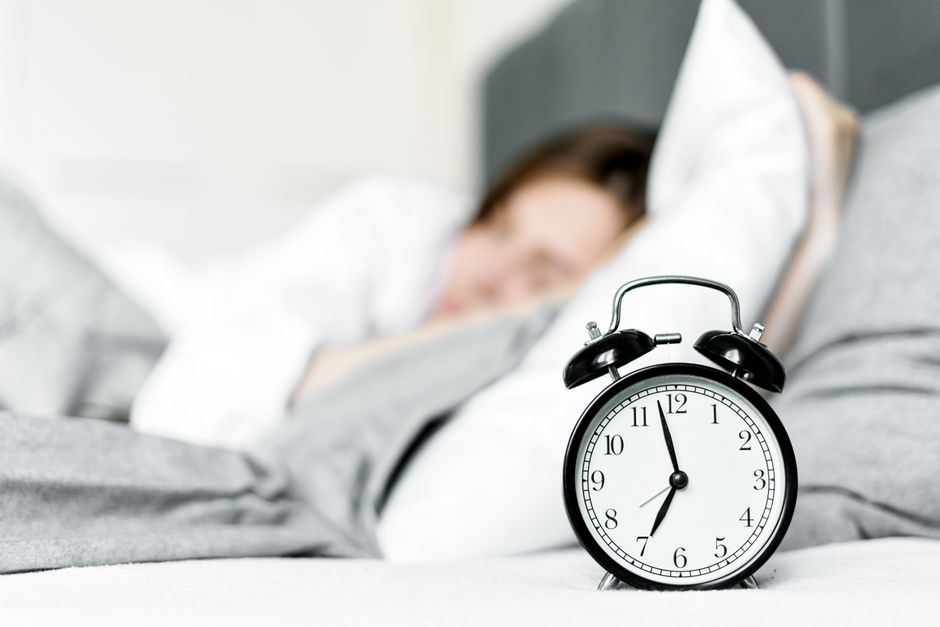
Falling asleep in five minutes is possible, but not through willpower alone. The methods that actually work use specific breathing patterns, muscle relaxation sequences, and mental distractions to quiet the brain’s alerting system. Techniques like the 4-7-8 breathing method, progressive muscle relaxation, and cognitive shuffling are backed by sleep research and clinical practice. These methods do not work for everyone every night, but when practiced consistently, they give your nervous system a clear signal that it is safe to sleep.
Why Falling Asleep Fast Is Hard for Most People
Your brain does not shut down like a light switch. Sleep happens when your body’s internal drive for sleep and your circadian rhythm align. When you lie down, your brain still processes worries, plans, and sensory input. This is normal.
The problem is that trying to force sleep makes it harder. When you actively try to fall asleep, your brain goes into a state of heightened alertness. This is called sleep effort, and it works against you. The best five-minute methods work by redirecting attention away from the goal of sleeping and toward a neutral or repetitive task.
Your body also needs physical relaxation signals. Heart rate, breathing rate, and muscle tension all drop as you approach sleep. Methods that slow these systems down can shorten the time it takes to fall asleep.
The 4-7-8 Breathing Method
The 4-7-8 breathing method is one of the most widely taught techniques for rapid sleep onset. It was popularized by Dr. Andrew Weil, who adapted it from pranayama breathing practices in yoga. The pattern is simple: inhale through your nose for four seconds, hold your breath for seven seconds, and exhale slowly through your mouth for eight seconds.
This pattern works through several mechanisms. The extended exhale activates the parasympathetic nervous system, which is the branch of your nervous system responsible for rest and digestion. The breath hold increases carbon dioxide levels in the blood, which has a calming effect on the heart. The slow exhale also lowers heart rate slightly with each repetition.
To use this method: lie on your back with your tongue resting against the roof of your mouth. Exhale completely through your mouth. Close your mouth and inhale quietly through your nose for four seconds. Hold for seven seconds. Exhale completely through your mouth for eight seconds. Repeat this cycle four times.
Some people feel lightheaded during the breath holds, especially when they start. If this happens, reduce the hold to five seconds or skip the hold entirely. The method is generally safe for healthy adults, but anyone with respiratory conditions like asthma or COPD should be cautious.
Progressive Muscle Relaxation for Sleep
Progressive muscle relaxation (PMR) involves tensing and then releasing muscle groups throughout your body in a specific order. This technique was developed by physician Edmund Jacobson in the 1920s, and it remains one of the most studied relaxation methods for sleep.
The logic is straightforward. Anxiety and stress cause physical tension. Physical tension sends signals to your brain that something is wrong. By deliberately relaxing each muscle group, you interrupt that feedback loop. Your brain receives signals that your body is safe, which makes sleep easier.
Start with your feet. Tense the muscles in your feet as hard as you can for five seconds. Notice the feeling of tension. Then release suddenly and feel the difference. Move to your calves, thighs, abdomen, hands, arms, shoulders, neck, and face. Tense each group for five seconds, then release for 15 to 30 seconds.
Research on PMR consistently shows it reduces sleep onset time in people with insomnia. Some studies suggest it works as well as prescription sleep aids for mild insomnia, without the side effects. It takes practice. The first few times you try it, you may not fall asleep during the sequence. That is normal. The goal is to train your body to relax, not to perform perfectly.




How To Get To Sleep In 5 Minutes Methods That Work: The Military Method
The military method is a rapid sleep technique reportedly used by the U.S. military to help pilots fall asleep in under two minutes. The exact origin is not well documented in peer-reviewed literature, but the technique follows established principles of relaxation and mental distraction.
The method has a specific sequence. First, relax your facial muscles completely. This includes your tongue, jaw, and the muscles around your eyes. Let your face go slack. Second, drop your shoulders as low as they will go. Let your arms fall loose at your sides. Third, exhale and relax your chest. Fourth, relax your legs from the thighs down to the feet. Finally, clear your mind for ten seconds.
The final step is the hardest. The technique instructs you to imagine a calming scene, such as lying in a canoe on a calm lake under a blue sky. If that does not work, repeat the phrase “don’t think, don’t think” over and over for ten seconds. This mental distraction prevents your brain from wandering back to worries or plans.
This method works because it combines full-body physical relaxation with a simple mental task. The physical relaxation reduces sympathetic nervous system activity. The mental imagery gives your brain a neutral focal point. Clinical evidence specifically for the military method is limited, but the components — progressive relaxation and guided imagery — are well supported by sleep research.
Cognitive Shuffling: A Mental Trick That Works
Cognitive shuffling is a newer technique that uses your brain’s natural sleep mechanisms. The idea is to randomly think of unrelated words or images to distract your mind from stressful thoughts. This technique was developed by Luc P. Beaudoin, a cognitive scientist, and it has gained attention in sleep medicine.
The theory behind it is called “serial diverse imagining.” When you think of random, unrelated images, your brain cannot hold onto a coherent train of thought. This disrupts rumination, which is the repetitive thinking that keeps people awake. The randomness mimics the mental state that occurs naturally in the transition from wakefulness to sleep.
To use this method: think of a random word, such as “apple.” Then think of a word that starts with the last letter of that word, such as “elephant.” Continue for a few minutes. Some apps automate this process by reading out random words or images. You can also imagine random scenes, such as a beach, a mountain, a kitchen, or a forest.
Evidence for cognitive shuffling is still emerging. Small studies have shown promising results for reducing sleep onset time, but larger trials are needed. The technique is low risk and easy to try. Many sleep specialists recommend it for people whose minds race at night.
What to Do When Nothing Works
Sometimes none of these methods work. This is not a personal failure. Sleep is influenced by many factors, including stress, caffeine, alcohol, medications, and underlying sleep disorders.
If you have been lying awake for more than 20 minutes, the best thing you can do is get out of bed. Go to another room, do something quiet in dim light, and return to bed only when you feel sleepy. This is called stimulus control, and it is a core component of cognitive behavioral therapy for insomnia. Staying in bed while awake trains your brain to associate bed with wakefulness.
If you regularly take more than 30 minutes to fall asleep and this happens at least three nights per week for three months, you may have insomnia. This condition is treatable. Cognitive behavioral therapy for insomnia is the first-line treatment and has better long-term outcomes than sleep medications.
Talk to a healthcare provider if your sleep problems are affecting your daily function. Sleep is not something you should suffer through silently. There are effective treatments, and you do not have to figure it out alone.
Common Myths About Falling Asleep Fast
One common myth is that alcohol helps you sleep. Alcohol does make you drowsy, but it disrupts sleep architecture. It reduces REM sleep and increases nighttime awakenings. Drinking before bed may help you fall asleep faster, but it makes sleep quality worse.
Another myth is that you can “catch up” on sleep during the weekend. This partially works for sleep debt, but it does not restore the full cognitive and metabolic benefits of consistent sleep. Irregular sleep schedules also disrupt your circadian rhythm, which can make falling asleep harder on Sunday night.
A third myth is that counting sheep helps. Research from the University of Oxford found that people who counted sheep took longer to fall asleep than those who imagined a relaxing scene. The researchers suggested that counting is too boring to hold attention, which allows worries to creep back in. Imagining a calming scene is more effective because it occupies more of your brain’s attention.
Finally, many people believe that napping during the day ruins nighttime sleep. Naps do affect nighttime sleep, but the effect depends on timing and duration. A 20-minute nap in the early afternoon is generally harmless. Naps longer than 30 minutes or naps taken late in the day can make it harder to fall asleep at night.
When to See a Doctor About Sleep Problems
Occasional difficulty falling asleep is normal. Everyone has nights where sleep does not come easily. But persistent sleep problems deserve medical attention.
See a doctor if you have trouble falling asleep most nights, wake up frequently during the night, wake up too early and cannot fall back asleep, or feel unrefreshed after a full night of sleep. Loud snoring, gasping during sleep, or excessive daytime sleepiness may indicate sleep apnea, which requires professional evaluation.
Your doctor may recommend a sleep study, blood tests, or a referral to a sleep specialist. Do not self-diagnose. Many conditions that disrupt sleep are treatable, but they require proper evaluation.
Frequently Asked Questions
Can the 4-7-8 breathing method really put me to sleep in five minutes?
The 4-7-8 method can help many people fall asleep faster, but it does not work for everyone or every night. It activates the parasympathetic nervous system through slow, extended exhales, which helps lower heart rate and calm the body.
What is the best position to sleep in for falling asleep quickly?
Sleeping on your back or side is generally best for falling asleep quickly. These positions allow for natural spinal alignment and unrestricted breathing, which reduces physical discomfort that can delay sleep onset.
How long should I practice a sleep method before deciding it doesn’t work?
Give any sleep method at least two weeks of consistent practice before judging it. Sleep techniques are skills that require repetition to become effective, and one or two failed attempts do not mean the method is useless.
Does the military method actually work for civilians?
The military method can work for anyone because it uses standard relaxation techniques that are well supported by research. However, there is no strong scientific evidence specifically for the military method, and results vary from person to person.
