
Most fractures take about 6 to 8 weeks to reach what doctors call clinical union — the point where the bone is stable enough for daily activities. But full healing, including return of original strength, often takes 3 to 6 months or longer. The exact timeline depends on the bone broken, your age, and your overall health.
How Long Do Fractures Take To Heal?
Healing time varies widely. A simple fracture in a child’s arm may heal in 4 weeks. A complex fracture in an older adult’s thighbone can take 6 months or more. Clinical union — when the bone is no longer tender and can bear some weight — happens for most adults within 6 to 8 weeks. However, the bone continues to remodel and strengthen for months after that. Complete return to pre‑injury strength often takes 12 months for major leg bones.
What Are the Stages of Bone Healing?
Bone heals in three overlapping stages.
Inflammatory stage begins immediately. Bleeding at the break forms a clot, and immune cells clear debris. This lasts a few days.
Reparative stage follows. Within about 2 weeks, a soft callus made of collagen and cartilage bridges the gap. Over the next few weeks, minerals turn that soft callus into a hard callus. X‑rays show this as new bone around the break.
Remodeling stage can last months to years. The body reshapes the callus into stronger, more organized bone. Blood flow improves and the bone slowly regains near‑normal shape and strength.
What Affects How Fast a Fracture Heals?
Several factors can speed or slow healing.
- Age. Children heal much faster. Older adults heal more slowly because of reduced blood supply and thinner bone lining.
- Location. Bones with good blood flow, like the collarbone, heal faster. Bones with poor blood supply, like the scaphoid in the wrist or the lower shinbone, can take much longer.
- Type of fracture. A clean, non‑displaced break heals faster than a shattered or open fracture.
- Smoking. Nicotine constricts blood vessels and delays healing. Smokers are at higher risk for non‑union (failure to heal).
- Nutrition. Protein, calcium, vitamin D, and vitamin C are all needed for bone repair. Severe deficiencies slow healing.
- Medical conditions. Diabetes, osteoporosis, and certain medications like corticosteroids can delay bone healing.





When Can I Go Back to Normal Activities?
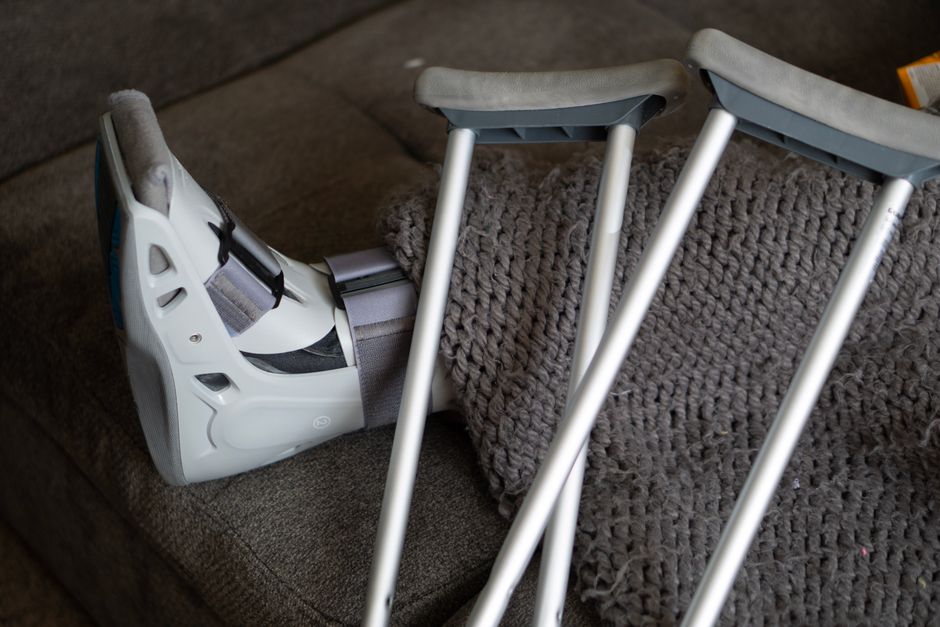
Returning too early can re‑injure the healing bone. Typically, you can resume light daily activities after 6 to 8 weeks once the bone is clinically united. Weight‑bearing on leg fractures is often introduced gradually with crutches or a walking boot. High‑impact sports and heavy lifting may require 3 to 6 months or more. Your doctor will use X‑rays and physical exams to decide when you are ready. Always follow your healthcare provider’s specific timeline — not general advice.
How Do Doctors Know a Fracture Is Healed?
Two main methods are used. Clinical signs — no pain when pressing on the break, no movement at the fracture site, and ability to bear weight without pain. Radiographic signs — X‑rays show bone bridging across the fracture line. In some bones, like the scaphoid, healing can be hard to see on X‑ray, so a CT scan or MRI may be used. Doctors do not declare a bone fully healed solely based on time; they confirm it with these assessments.
Does Age Affect Healing Time?
Yes, significantly. A child’s bones heal rapidly because their periosteum (the outer bone layer) is thicker and more active. The same fracture in a child may heal in 3 to 4 weeks, while in a person over 60 it may take 8 to 12 weeks or longer. Healing speed continues to decline with age, especially after 70. Hormonal changes, lower bone density, and poorer circulation all contribute. That said, healthy older adults still heal well — just more slowly.
Can You Speed Up Fracture Healing?
Some steps may help, but there are no shortcuts. Good nutrition is essential — adequate protein (about 1.2 grams per kilogram of body weight daily), 1000–1200 mg of calcium, and 600–800 IU of vitamin D are common recommendations from clinical guidelines. Smoking cessation is one of the most powerful things you can do. Avoiding heavy alcohol use also helps. Weight‑bearing exercises, when approved by your doctor, stimulate bone formation. Low‑intensity pulsed ultrasound is sometimes used for stubborn fractures, but its benefit for routine fractures is debated — not all studies show faster healing.
No supplement has been proven to dramatically speed healing in someone who already eats a balanced diet.
Frequently Asked Questions
Can a fracture heal without a cast?
Some stable fractures, like a non‑displaced finger or toe, may heal with a splint or buddy taping instead of a cast. But most fractures need immobilization to keep the bone aligned while it heals. Your doctor determines the method based on the break.
How long does a broken bone take to heal in adults?
For most adults, clinical union occurs in 6 to 8 weeks. Full remodeling and return of original strength can take 3 to 12 months, depending on the bone and your health.
What does a non‑union feel like?
Non‑union means the bone has stopped trying to heal. It usually causes persistent pain at the fracture site, movement where the bone should be stiff, and pain that does not improve over several months. X‑rays can confirm it.
Can smoking affect bone healing?
Yes. Smoking delays bone healing and increases the risk of non‑union. Quitting before or early in the healing process improves outcomes, though even quitting later is beneficial.
