
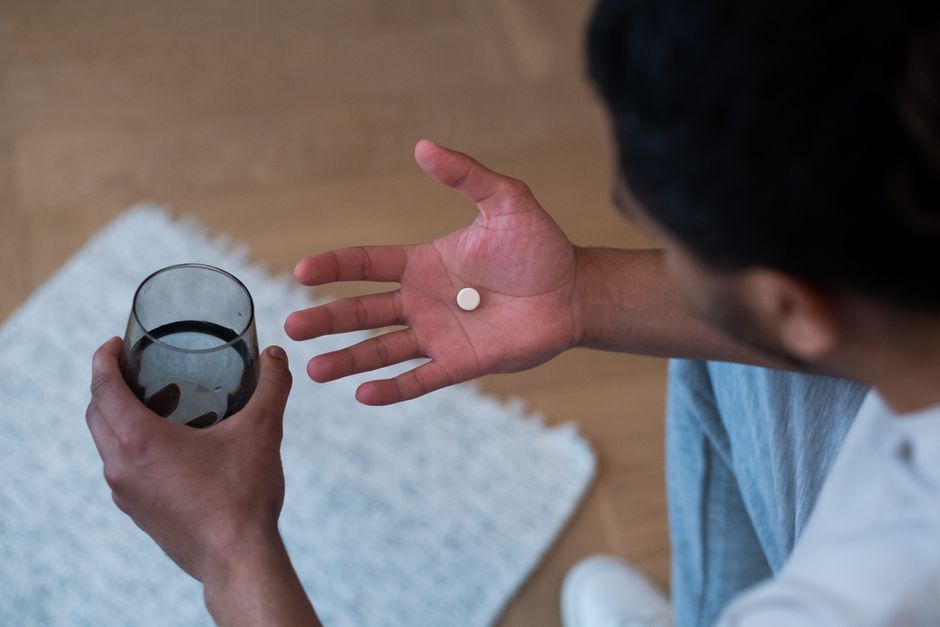
There is no set time limit on how long you can stay on Zoloft (sertraline). Some people take it for a year and stop. Others take it for many years, sometimes for life. The decision is not about a deadline. It is about whether the medication is still helping you and whether the benefits continue to outweigh the risks.
Zoloft is one of the most widely prescribed antidepressants in the United States. It belongs to a class of drugs called SSRIs, or selective serotonin reuptake inhibitors. For many people, it reduces symptoms of depression, anxiety, panic disorder, obsessive-compulsive disorder, and post-traumatic stress disorder.
Long-term use is not inherently unsafe. But it does come with real considerations: side effects that can persist, the possibility of withdrawal symptoms when stopping, and the fact that no one can tell you in advance exactly how long you will need it.
What Does Zoloft Do in the Brain?
Zoloft works by blocking the reabsorption of serotonin in the brain. Serotonin is a chemical messenger involved in mood, sleep, appetite, and anxiety regulation. By slowing its reuptake, the medication increases serotonin availability in the spaces between nerve cells.
That is the established mechanism. What researchers still debate is exactly why this change translates into symptom relief for some people and not others. The full picture likely involves downstream changes in brain circuits that develop over weeks, not hours.
This is why Zoloft does not work immediately. Most people notice improvement within two to four weeks, though full effects often take six to eight weeks. Some symptoms, like sleep and appetite changes, may improve earlier than mood symptoms.
Zoloft is not a temporary fix that “corrects” a chemical imbalance and then becomes unnecessary. The idea that depression is simply caused by low serotonin has been widely repeated but is not well supported by current evidence. Serotonin is involved, but the relationship is more complex than a simple deficiency model suggests.
Is It Safe to Take Zoloft for Years?
For many people, yes. Clinical trials and long-term observational studies have not identified a clear pattern of organ damage, cancer risk, or progressive harm from years of SSRI use in otherwise healthy adults.
That does not mean long-term use is risk-free. Several concerns are worth understanding honestly.
Sexual side effects
Sexual dysfunction is one of the most common reasons people stop taking SSRIs. It can include reduced libido, delayed orgasm, and difficulty with arousal. For some people, these effects improve after a few weeks. For others, they persist for as long as the medication is taken. In a smaller number of people, sexual side effects may continue after stopping the drug, a condition sometimes called post-SSRI sexual dysfunction. Research on how often this happens is limited, and estimates vary widely.
Emotional blunting
Some people on long-term SSRIs report feeling emotionally flat. They describe not feeling deeply sad but also not feeling deeply happy. This is not a universal experience, and it is not well studied. But it is a real complaint that clinicians hear, and it is worth discussing with your prescriber if you notice it.
Weight changes
Weight gain is a reported side effect of long-term SSRI use. The evidence is mixed on how much weight is typically gained and whether Zoloft specifically causes more gain than other SSRIs. Some studies suggest a modest average increase over time. Individual results vary considerably.
Bone density
Some research has raised the question of whether long-term SSRI use is associated with lower bone mineral density and a higher risk of fractures, particularly in older adults. The evidence is not conclusive, and other factors like age, diet, and physical activity play major roles. This is an area where more research is needed.
Bleeding risk
SSRIs can affect platelet function, which slightly increases the risk of bleeding, especially when combined with blood thinners or NSAIDs like ibuprofen. This is a known interaction, not a reason to avoid Zoloft altogether, but it is something your doctor should know about.
How Long Do People Typically Stay on Zoloft?
There is no single answer, but general clinical guidance offers some direction.
For a first episode of depression, many guidelines suggest continuing medication for at least six to twelve months after symptoms improve. This is not arbitrary. Research consistently shows that stopping too soon after a first episode increases the risk of relapse.
For people with a history of recurrent depression, longer treatment is often recommended. Some clinicians suggest two years or more. For those with three or more episodes, or with chronic depression, indefinite treatment may be discussed.
For anxiety disorders, the timeline is often longer. Panic disorder, generalized anxiety disorder, and OCD frequently require longer treatment courses than depression. OCD in particular often responds only to higher doses and may need years of treatment.
The key point is that these are general patterns, not rules. Your situation depends on your diagnosis, your history, how well you respond, and how you tolerate the medication.





What Happens When You Stop Zoloft?
Stopping Zoloft abruptly can cause withdrawal symptoms, also called discontinuation syndrome. This is not the same as addiction. It is a physical response to the brain adjusting to the absence of the medication.
Common withdrawal symptoms include:
- Dizziness or lightheadedness
- Nausea
- Headache
- Fatigue or flu-like feelings
- Irritability or anxiety
- Insomnia or vivid dreams
- Electric shock-like sensations, sometimes called “brain zaps”
These symptoms usually begin within a few days of stopping and can last for weeks. They are more likely with abrupt discontinuation and with shorter-acting SSRIs. Zoloft has a relatively long half-life compared to some other SSRIs, which may make withdrawal somewhat less intense for some people. But it still happens.
Gradual tapering under medical supervision is the standard approach. A doctor will typically reduce the dose in steps over weeks or months, depending on how long you have been taking it and how you respond.
Can You Stay on Zoloft Forever?
Some people do. For those with severe, recurrent, or chronic conditions, long-term maintenance treatment can be the difference between functioning well and being repeatedly disabled by symptoms.
The decision to stay on Zoloft indefinitely is not a failure or a sign of weakness. It is a risk-benefit calculation. If the medication keeps you well and the side effects are manageable, continuing may be the right choice.
If you want to stop, that is also a valid decision. The important thing is to make it with your prescriber, not alone and not abruptly.
What Should You Discuss With Your Doctor?
Whether you are considering starting Zoloft, continuing it, or stopping it, certain questions are worth asking:
- What is my specific diagnosis, and how long is treatment typically recommended for it?
- What are the signs that I might be ready to taper?
- What withdrawal symptoms should I expect, and how will we manage them?
- Are there any long-term risks specific to my health history?
- What non-drug options might help me manage my symptoms?
No one can predict exactly how long you will need Zoloft. But you and your doctor can make that decision together, based on evidence and your individual circumstances.
Frequently Asked Questions
How long can you stay on Zoloft safely?
There is no established maximum duration for Zoloft use. Many people take it for years or decades without evidence of progressive harm, though long-term side effects like sexual dysfunction and weight changes can occur.
Can you take Zoloft for life?
Yes, some people do. For those with recurrent or chronic conditions, indefinite maintenance treatment may be recommended to prevent relapse.
What happens if you stop Zoloft after years?
Stopping after long-term use can cause withdrawal symptoms such as dizziness, nausea, and irritability. Tapering gradually under medical supervision reduces the intensity of these symptoms.
Does Zoloft stop working after a while?
Some people find that Zoloft becomes less effective over time, a phenomenon sometimes called tachyphylaxis. If this happens, your doctor may adjust the dose or consider a different medication.
