
If your oxygen saturation drops to 80% and stays there, you are in a medical emergency. Without treatment, survival is measured in minutes to hours, not days. The body cannot sustain vital organs at this level of hypoxia. Immediate emergency care is required to raise oxygen levels and address the underlying cause.
What Does Oxygen Saturation of 80% Mean for Your Body?
Oxygen saturation measures how much hemoglobin in your blood is carrying oxygen. A normal reading is 95% to 100%. At 80%, your blood is carrying significantly less oxygen than your organs need. This is called severe hypoxemia.
Your brain is the most sensitive organ to low oxygen. At 80%, brain cells begin to suffer within minutes. Other organs like the heart, kidneys, and liver also start to fail quickly. The body tries to compensate by increasing your breathing rate and heart rate. But these measures are not enough to fix the problem on their own.
Research shows that prolonged oxygen saturation below 90% causes tissue damage. At 80%, the damage accelerates. The exact survival time depends on how fast you get treatment and what caused the drop. Without intervention, irreversible organ damage begins within 30 minutes to a few hours.
How Long Can You Live With Oxygen Saturation of 80 Without Treatment?
There is no single answer because several factors matter. But the evidence is clear: untreated oxygen saturation of 80% is life-threatening. Most people would not survive more than a few hours without medical help.
One major factor is how quickly the oxygen level dropped. A sudden drop from a blood clot in the lung (pulmonary embolism) gives very little time. A slow decline from chronic lung disease might give more time because the body partially adapts. But adaptation is limited. Even in chronic cases, 80% is a crisis point.
Another factor is your overall health. A young healthy person may tolerate low oxygen slightly longer than an older person with heart disease. But the difference is small. No one survives long-term with oxygen saturation at 80%. Current research suggests that without correction, death occurs within hours in most cases.
| Condition | Typical Survival Time at 80% Without Treatment |
|---|---|
| Sudden drop (e.g., pulmonary embolism) | Minutes to 1 hour |
| Slow drop from chronic lung disease | 1 to 4 hours |
| Pneumonia or severe infection | 30 minutes to 2 hours |
| Carbon monoxide poisoning | Minutes to 1 hour |
What Causes Oxygen Saturation to Drop to 80%?
Several conditions can cause oxygen levels to fall to 80%. Understanding the cause is critical for treatment. The most common causes include:
- Pneumonia – Infection fills the lungs with fluid, blocking oxygen from reaching the blood.
- COPD exacerbation – A worsening of chronic lung disease reduces airflow and gas exchange.
- Pulmonary embolism – A blood clot blocks blood flow to part of the lung.
- Heart failure – The heart cannot pump enough blood to deliver oxygen where it is needed.
- COVID-19 – Severe cases can cause silent hypoxia where oxygen drops without obvious breathing difficulty.
- Asthma attack – Severe airway narrowing prevents oxygen from entering the lungs.
- Anaphylaxis – A severe allergic reaction can close the airway.
- Carbon monoxide poisoning – This gas binds to hemoglobin tighter than oxygen, blocking oxygen transport.
Each cause requires different treatment. That is why emergency teams work fast to identify the reason. Giving oxygen alone may not be enough if a blood clot or infection is the root problem.





What Happens to Organs at Oxygen Saturation of 80%?
The brain is the first organ to show damage. Symptoms include confusion, disorientation, and loss of consciousness. Studies have found that brain cells begin to die within 4 to 6 minutes of severe hypoxia. At 80%, this timeline is compressed.
The heart also struggles. Low oxygen forces the heart to work harder. This can trigger arrhythmias or a heart attack. The kidneys require steady oxygen to filter blood. Acute kidney injury can develop within hours of sustained low oxygen.
The liver and digestive system also suffer. But the most immediate threat is to the brain and heart. Once these organs fail, the rest of the body follows quickly. This is why time is the most critical factor.
What Should You Do If Oxygen Saturation Is 80%?
If you or someone else has an oxygen reading of 80%, call 911 or your local emergency number immediately. Do not wait to see if it improves on its own. Do not drive yourself to the hospital unless there is absolutely no other option.
While waiting for emergency services, keep the person calm and in a seated position. Do not give them anything to eat or drink. If they have a known lung condition and have prescribed oxygen at home, use it as directed. But do not rely on home oxygen alone. You need hospital care.
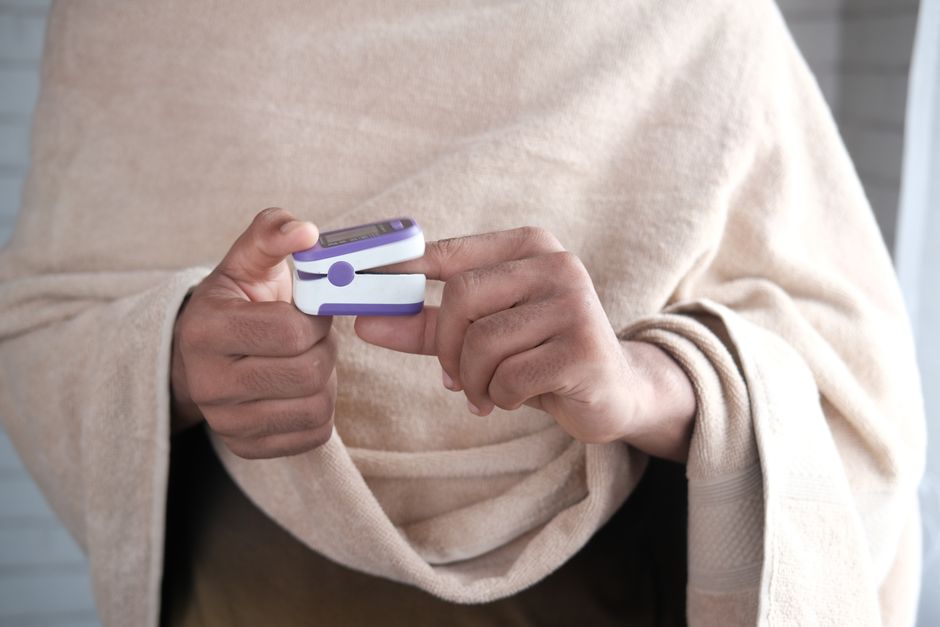
Pulse oximeters can be inaccurate in some situations. Dark nail polish, cold hands, or poor circulation can give falsely low readings. But if the reading is 80% and the person looks or feels unwell, treat it as real. It is better to overreact than to wait.
Can You Recover After Oxygen Saturation of 80%?
Yes, recovery is possible with fast and proper treatment. Many people survive after oxygen levels drop to 80% if they receive emergency care quickly. The key is how soon oxygen is restored and the underlying cause is treated.
In a hospital, treatment may include high-flow oxygen, a breathing machine (ventilator), medications to open airways, or surgery to remove a blood clot. The specific treatment depends on the cause. Once oxygen levels are brought back above 90%, the body can begin to heal.
But recovery is not always complete. Some people have lasting damage to the brain, heart, or kidneys. The longer oxygen stayed at 80%, the higher the risk of permanent harm. That is why every minute counts.
As of 2026, medical advances have improved survival rates for severe hypoxia. But prevention is still better than treatment. If you have chronic lung or heart disease, monitor your oxygen levels regularly and follow your doctor’s plan.
Common Misconceptions About Low Oxygen Saturation
Myth: You can train your body to tolerate low oxygen. Some people believe that if you slowly get used to low oxygen, your body adapts. There is some truth for high-altitude living. But at 80%, no amount of adaptation protects your organs from damage. The body compensates, but not enough to prevent harm.
Myth: If you feel fine, your oxygen is fine. This is dangerous. Some people with low oxygen feel no symptoms at first. This is called silent hypoxia. It was seen frequently during COVID-19. People had oxygen levels in the 80s but felt normal. Then they collapsed suddenly. A pulse oximeter is the only reliable way to know.
Myth: More oxygen is always better. Too much oxygen can also be harmful. It can damage lung tissue and cause oxygen toxicity. But at 80%, the immediate priority is raising oxygen levels. Doctors will carefully adjust oxygen delivery once you are in the hospital.
Myth: Home remedies can fix low oxygen. Breathing exercises, steam, or herbal treatments cannot raise oxygen from 80% to safe levels. These may help with mild symptoms but are not emergency treatments. Relying on them wastes precious time.
Frequently Asked Questions
Can you survive with oxygen saturation of 80%?
Yes, but only with immediate emergency medical treatment. Without intervention, survival time is very short.
What is a dangerously low oxygen level?
Any reading below 90% is considered low and requires medical attention. A reading of 80% is a medical emergency.
How long does it take for low oxygen to cause brain damage?
Brain damage can begin within 4 to 6 minutes of severe hypoxia. At 80%, the risk is very high and damage can occur even faster.
Can a pulse oximeter be wrong at 80%?
Yes, but only in certain situations like poor circulation or nail polish. If the reading is 80% and the person looks unwell, treat it as accurate.
