
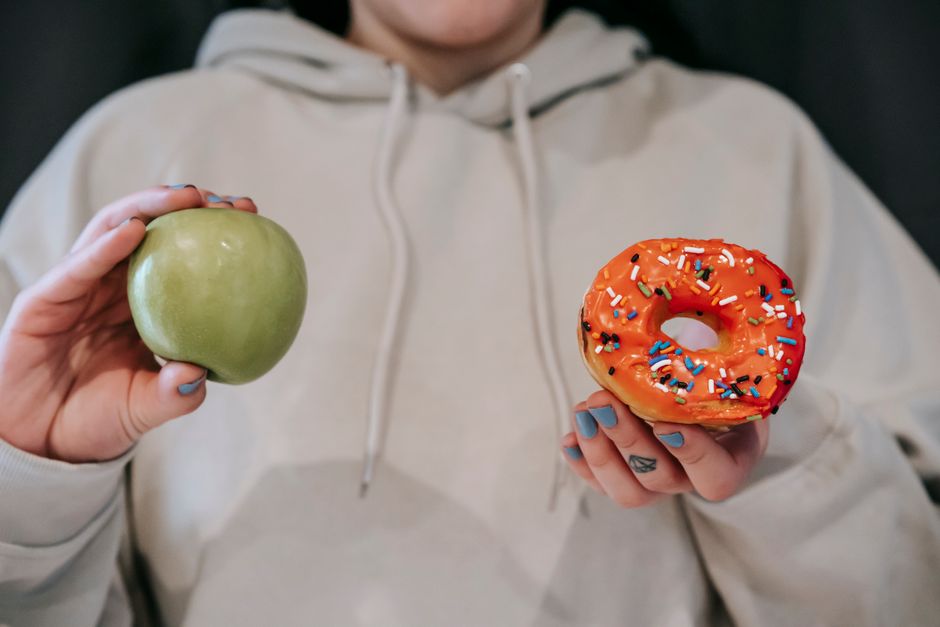
You are not weak because a slice of pizza calls your name. Your brain is wired to notice high-calorie food. That wiring kept your ancestors alive. In a world of endless snacks, it works against you.
Willpower is a limited resource. It drains over the course of a day. Relying on it alone is a losing strategy. The better approach is to change your environment and your habits so you do not need willpower in the first place.
You can resist food temptation by making the unhealthy choice harder and the healthy choice easier. This means changing what you buy, what you see, and how you respond to cravings when they hit.
Why Willpower Fails for Most People
Willpower is not a character flaw. It is a mental process that tires out. Studies consistently show that self-control depletes with use. By evening, after a day of decisions, your resistance is low.
Food temptation is also not random. Your brain rewards high-calorie food with dopamine. This is the same chemical pathway involved in habit formation. Every time you eat the snack, you strengthen the loop.
Your environment matters more than your mindset. If cookies sit on the counter, you will eat more of them. Research has found that people eat more when food is visible and within reach. The solution is not to fight this instinct. It is to stop triggering it.
Think of willpower as a muscle that gets tired. You cannot flex it all day. You can, however, design your day so the muscle is rarely needed.
What Actually Happens in Your Brain During a Craving
A craving is not hunger. Hunger is a physical signal from your stomach. A craving is a mental signal from your brain. It is a learned response to a cue.
The cue can be a time of day, a place, or an emotion. You see the break room at work and you want a donut. You feel stressed and you want chips. The cue triggers a thought, the thought triggers the urge, and the urge leads to eating.
This is called the habit loop. It has three parts: cue, routine, reward. The reward is the dopamine release. Your brain remembers the reward and wants it again.
Understanding this loop is useful. It means a craving is not a command. It is a signal. You can let the signal pass without acting on it. Cravings typically peak and fade within a few minutes, not hours.
One effective technique is to notice the craving and name it. Say to yourself, “I am having a craving.” This simple act of labeling creates distance between you and the urge. It engages the thinking part of your brain, which helps calm the emotional part.
How To Resist Food Temptation Without Willpower: Change Your Environment First
Your environment is the strongest tool you have. If unhealthy food is not in your house, you cannot eat it at home. This sounds obvious, but most people skip this step.
Start with a kitchen audit. Remove snacks that you tend to overeat. Do not throw them away if that feels wasteful. Give them to a neighbor or bring them to work. The goal is to break the automatic reach.
Then rearrange what remains. Put healthy food at eye level in the fridge and pantry. Put less healthy items in the back or on a high shelf. Studies show that people eat more of the first food they see.
Use smaller plates and bowls. This is not a trick. It changes portion size without requiring conscious effort. People consistently eat less when food is served on smaller dishes, even when they are not trying to diet.
Do not keep snack food in your car or at your desk. These are high-temptation zones because they are outside your normal routine. If you must have a snack at work, keep a single serving in a drawer, not a family-size bag.
Grocery shopping is where the battle is won or lost. Shop with a list. Eat before you go. Do not shop when hungry. Research shows that hungry shoppers buy more calories, not just more food.
One more environmental change matters: sleep. Lack of sleep increases hunger hormones and decreases fullness hormones. A tired brain also has less self-control. Prioritizing sleep is an environmental change because it changes your biology, not just your mood.
Use the 10-Minute Rule and Other Delay Tactics
Delaying a craving is easier than defeating it. The 10-minute rule is simple. When you want a snack, tell yourself you can have it in 10 minutes. Set a timer. Do something else.
Most cravings fade in that window. If you still want the food after 10 minutes, you can have it. But often you will not want it anymore. The urge passed because it was a signal, not a need.
This works because it breaks the automatic response. You insert a pause between the cue and the routine. That pause is enough to let the dopamine spike settle.
Another delay tactic is to drink a glass of water first. Thirst is often mistaken for hunger or cravings. Water also gives your stomach a physical sensation of fullness, which can reduce the urge.
Distraction also works. Call a friend. Take a short walk. Do a chore that requires your hands. The goal is not to suppress the craving. It is to redirect your attention until the craving loses intensity.
How To Handle Cravings When You Are Stressed or Bored
Emotional eating is different from physical hunger. It comes on suddenly. It craves specific foods, usually sweet or salty. It does not stop when you are full.
Stress raises cortisol, a hormone that increases appetite. It also pushes you toward high-calorie comfort foods. This is a biological response, not a moral failure.
Boredom is another trigger. Eating gives your brain something to do. The fix is not more willpower. It is having a list of non-food activities ready.
Keep a short list of things you can do when bored. Stretch. Fold laundry. Read one page of a book. Text a friend. The list should be easy and available. If it requires effort to start, you will skip it.
For stress, the evidence points to breathing exercises and short walks. Slow breathing activates the parasympathetic nervous system, which calms the stress response. A few minutes of this can reduce the urge to eat emotionally.
Keep in mind that emotional eating is a habit. It will not disappear overnight. But each time you choose a non-food response, you weaken the habit loop. Over weeks, the craving loses its power.
Why Some Foods Are Harder To Resist Than Others
Not all foods trigger the same response. Highly processed foods are engineered to be hyper-palatable. They combine sugar, fat, and salt in ratios that do not occur in nature. Your brain treats them as unusually rewarding.
This is not a conspiracy theory. Food manufacturers design products to maximize appeal. The combination of texture, flavor, and mouthfeel is tested and refined. The result is food that is very hard to eat in moderation.
This matters because it explains why you can eat a handful of almonds and stop, but you cannot stop at one chip. The chip is designed to keep you eating. The almond is not.
The practical takeaway is simple. Do not try to eat these foods in moderation if you have a history of overeating them. It is easier to avoid them entirely than to control portions. This is not a moral judgment. It is a recognition of how your brain responds.
Some research suggests that the more you eat a food, the more you want it. Regular consumption of highly processed foods may shift your taste preferences and reward thresholds. Reducing exposure can reset your palate over time, making natural foods more satisfying.
Can You Train Your Brain To Prefer Healthy Food?
There is evidence that food preferences are not fixed. They adapt to what you eat regularly. If you eat sweet foods daily, your threshold for sweetness rises. If you cut back, fruits taste sweeter over time.
This process takes weeks, not days. Your taste buds turn over every couple of weeks. Your brain’s reward system also adapts. This is why people who reduce sugar often report that vegetables taste better after a month.
You can use this to your advantage. Start by pairing healthy foods with foods you already enjoy. Add berries to your oatmeal. Put extra vegetables in your pasta sauce. The goal is to make the healthy choice more appealing, not to force yourself to eat bland food.
Another strategy is to eat the healthy food first. Studies suggest that eating vegetables before the rest of a meal can increase overall vegetable intake. You are not denying yourself. You are filling up on the good stuff first.
This approach does not require willpower. It requires repetition. Over time, the healthy choice becomes the default choice. That is the goal: not to resist temptation, but to have less temptation to resist.
Frequently Asked Questions
What is the fastest way to stop a food craving?
Drink a glass of water and wait 10 minutes before deciding. Most cravings fade within that window.
Why do I crave sugar when I am stressed?
Stress raises cortisol, which increases appetite and pushes you toward high-calorie foods. This is a biological response, not a lack of discipline.
Does keeping junk food out of the house actually work?
Yes. Research consistently shows that people eat more when food is visible and within reach. Removing it removes the cue.
Can I ever eat my favorite snacks again?
Yes, but plan for them. Buy single servings rather than family-size packages, and eat them at a specific time rather than impulsively.
