
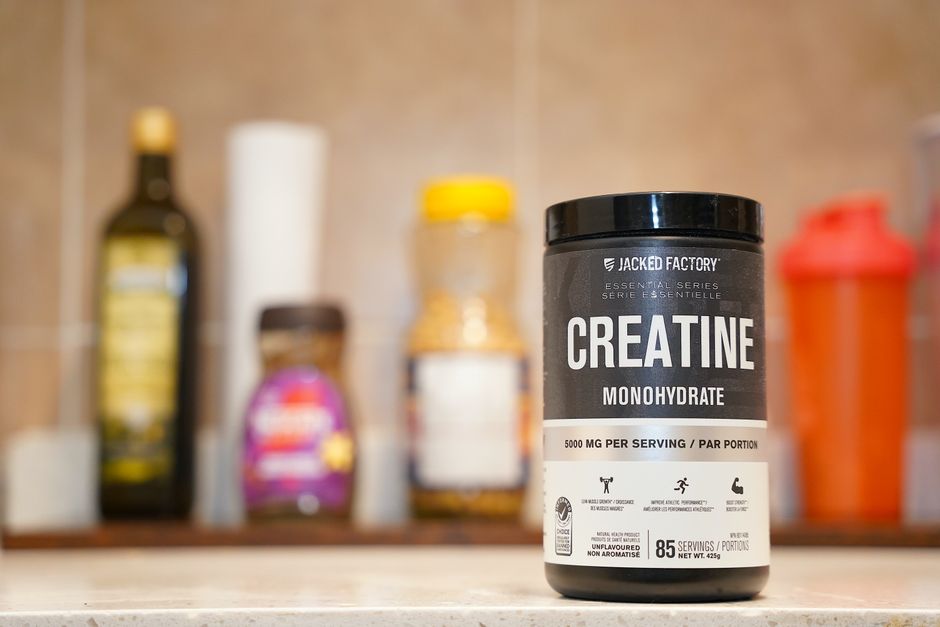
Creatine is one of the most studied supplements in sports nutrition, and arginine is often mentioned in the same sentence. But they are not the same thing. You can absolutely get creatine without arginine. Most standard creatine monohydrate products contain only creatine. Arginine is a separate amino acid often added to pre-workout formulas for different reasons. If you want the benefits of creatine without arginine, you can find it easily.
What Is the Difference Between Creatine and Arginine?
Creatine is a compound your body makes from three amino acids: glycine, arginine, and methionine. Your liver and kidneys produce about 1 to 2 grams of creatine per day. The rest comes from food, mainly red meat and seafood.
Arginine is a conditionally essential amino acid. Your body can make it, but under stress or illness, dietary intake becomes more important. It plays a role in protein synthesis and is a precursor to nitric oxide. Nitric oxide relaxes blood vessels, which is why arginine appears in many pre-workout supplements.
Here is the key point: creatine is the finished product. Arginine is just one of the raw ingredients your body uses to build it. Taking creatine directly bypasses the need for arginine in that process.
Can You Get Creatine Without Arginine?
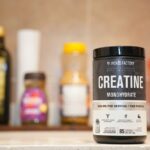
Yes. Creatine monohydrate is the most researched and common form of creatine. It contains creatine and water molecules. No arginine. No other amino acids. Just creatine.
Most reputable supplement brands sell plain creatine monohydrate powder or capsules. The label will list creatine monohydrate as the only active ingredient. You do not need to search for anything special. Read the ingredient label and choose a product with no added ingredients.
Some products combine creatine with other compounds like beta-alanine, citrulline, or arginine. These are often marketed as “pre-workout” or “performance” blends. If you want creatine only, avoid these combination products.
Why Do Some Products Combine Creatine and Arginine?
Supplement companies combine these ingredients for convenience, not because one requires the other. A product that contains both aims to support two different pathways.
Creatine helps regenerate ATP, the energy currency of your cells. This supports short bursts of high-intensity activity like sprinting or heavy lifting. Arginine, through nitric oxide production, may support blood flow and nutrient delivery to muscles.
The logic is that you get energy support from creatine and blood flow support from arginine in one scoop. That sounds appealing, but it does not mean creatine needs arginine to work. They act independently.

Does Your Body Need Arginine to Use Creatine?
No. Once you take creatine, your body absorbs it directly into muscle tissue. The conversion of arginine into creatine happens in the liver and kidneys, but that is about making creatine from scratch. When you supplement with creatine, you skip that manufacturing step entirely.
Your muscles store creatine as phosphocreatine. During intense exercise, phosphocreatine donates a phosphate group to ADP to regenerate ATP. This is an immediate, local process. Arginine is not involved.
Your body still needs arginine for other functions like protein synthesis and nitric oxide production. But those needs are separate from creatine supplementation.
Are There People Who Should Avoid Arginine?
Some people look for creatine without arginine for specific reasons. Arginine can cause digestive discomfort in some individuals, especially at higher doses. It can also lower blood pressure because of its effect on blood vessel dilation.
If you take blood pressure medication, arginine could amplify the effect. This is not a warning against arginine. It is simply a reason why some people prefer to keep their supplements separate.
People with a history of cold sores or herpes outbreaks may also want to be cautious with arginine. The herpes virus requires arginine to replicate. High-dose arginine supplementation has been linked to increased outbreak frequency in some studies, though the evidence is not definitive.
For these individuals, taking plain creatine monohydrate avoids any arginine-related concerns entirely.
How to Choose a Creatine Supplement Without Arginine
Check the ingredient label. This sounds obvious, but many people assume a product contains only what is in the name. A product called “Creatine Xtreme” might contain five ingredients. Look for the active ingredient list and the supplement facts panel.
Choose creatine monohydrate. It is the most studied form of creatine and has the strongest evidence for safety and effectiveness. Micronized creatine monohydrate is the same compound with smaller particle size, which may mix better in water.
Avoid proprietary blends. If a label lists a “performance blend” without disclosing individual ingredient amounts, you cannot know exactly what you are getting. This is not necessarily dangerous, but it makes informed dosing difficult.
What Does the Research Say About Creatine Alone?
Research consistently shows that creatine monohydrate alone improves strength and lean body mass in people who train regularly. The International Society of Sports Nutrition has stated that creatine monohydrate is the most effective ergogenic nutritional supplement currently available for increasing high-intensity exercise capacity and lean body mass.
These benefits occur without arginine. The studies that established creatine’s effectiveness used creatine monohydrate alone. Combination products are not required for results.
Some research suggests that combining creatine with carbohydrates or protein may enhance muscle creatine uptake. This is about insulin response, not arginine. A simple meal with carbs and protein around your creatine dose can achieve this effect.
Can You Get Creatine From Food Without Arginine?
Food sources of creatine always come with arginine. Red meat and fish contain both compounds. You cannot separate them in whole food.
If you prefer food sources, you will get both creatine and arginine. This is not a problem for most people. Arginine from food is well tolerated and part of a normal diet.
But if you are specifically looking to supplement creatine while avoiding arginine, a pure creatine monohydrate product is your answer. This is the only reliable way to get creatine without arginine.
Is Creatine Without Arginine Safe?
Creatine monohydrate is safe for healthy adults at recommended doses. The standard dosing protocol is a loading phase of 20 grams per day for 5 to 7 days, followed by a maintenance dose of 3 to 5 grams per day. Some people skip the loading phase and take 3 to 5 grams daily, which achieves the same muscle saturation in about 3 to 4 weeks.
Long-term studies have not found significant adverse effects in healthy individuals. The most common side effect is weight gain from water retention in muscle tissue. Some people report mild digestive discomfort, which can often be avoided by taking creatine with food.
People with pre-existing kidney disease should consult a healthcare provider before taking creatine. This is a precaution based on the theoretical burden of creatine metabolism, not established evidence of harm in this population.
Frequently Asked Questions
Is creatine monohydrate free of arginine?
Yes. Pure creatine monohydrate contains only creatine and water. It does not contain arginine or any other amino acid.
Why do pre-workout supplements contain both creatine and arginine?
They combine them for convenience to support different pathways. Creatine supports energy production, while arginine supports blood flow through nitric oxide production.
Can I take creatine if I am allergic to arginine?
Yes. Creatine monohydrate does not contain arginine, so it is safe for people who need to avoid it.
