
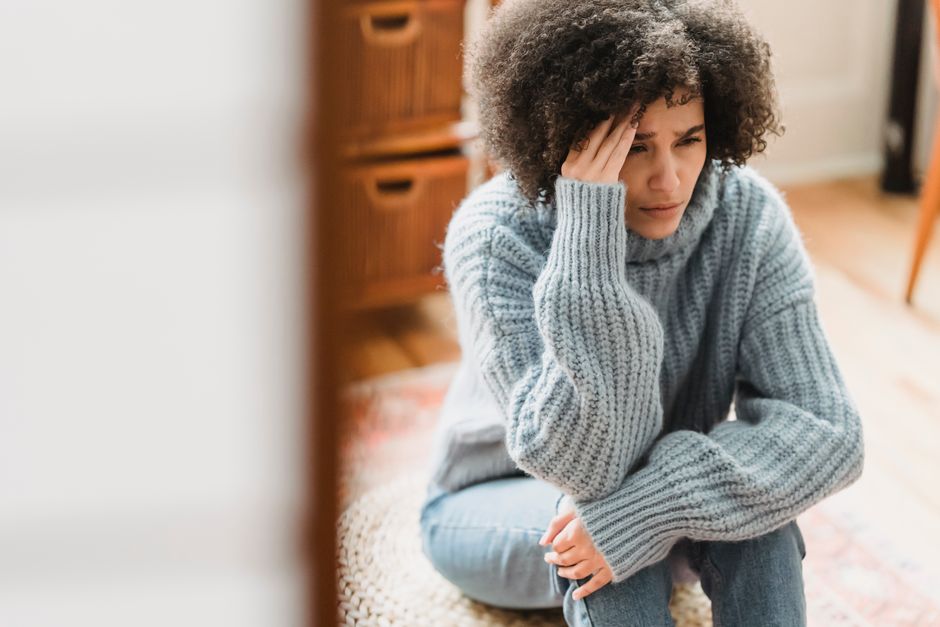
An anxiety attack usually peaks within 10 to 30 minutes, though the entire experience can last anywhere from a few minutes to several hours for some people. The most intense symptoms, like a racing heart and shortness of breath, typically fade within half an hour. But the feeling of being on edge or drained can linger much longer. The length varies a lot from person to person, and it depends on what is causing the anxiety in the first place.
What Actually Happens During an Anxiety Attack?
Your body has a built-in alarm system called the fight-or-flight response. When you feel a real or imagined threat, your brain sends out a signal. Your adrenal glands release hormones like adrenaline and cortisol. This is what makes your heart pound, your breathing speed up, and your muscles tense.
This response is designed to be short-lived. Once the threat passes, your body is supposed to calm down. For most people, the chemical surge fades in about 20 to 30 minutes. That is why a typical anxiety attack has a clear start, a peak, and a gradual end.
But the physical sensation of being “keyed up” can last longer. Your body may take an hour or more to fully clear the stress hormones from your system. During that time, you might still feel shaky, dizzy, or emotionally drained even after the worst of the attack is over.
What Is the Difference Between an Anxiety Attack and a Panic Attack?
People use these terms as if they mean the same thing, but there is a real difference. A panic attack has a specific clinical definition. It comes on suddenly, often without any clear trigger. The symptoms are intense and can include chest pain, a feeling of choking, or a fear that you are dying or losing control. Panic attacks usually peak within 10 minutes and then fade.
An anxiety attack is not an official medical diagnosis in the same way. It is more of a general term. It describes a gradual buildup of worry and physical symptoms that can last longer than a panic attack. You might feel anxious for hours before it reaches a peak. The intensity is often lower than a full panic attack, but the duration can be much longer.
According to the Diagnostic and Statistical Manual of Mental Disorders (DSM-5), which is the standard guide for mental health professionals, panic attacks are clearly defined. Anxiety attacks are not listed as a separate condition. When a doctor talks about an anxiety attack, they are usually describing a period of intense worry that does not meet the specific criteria for a panic attack.
How Long Can an Anxiety Attack Last in Different Situations?
The context matters. If you have a specific phobia, like a fear of flying, the anxiety might start when you board the plane and last until you land. That could be several hours of continuous high anxiety. The attack itself is not a single peak but a long, sustained period of distress.
For someone with generalized anxiety disorder (GAD), the feeling of anxiety can be almost constant. The “attack” part might refer to a sudden spike in worry that lasts 30 minutes, but the underlying anxiety never really goes away. The CDC reports that about 3.1% of U.S. adults have GAD in any given year, and for them, the line between an attack and everyday anxiety can be blurry.
If the anxiety is triggered by a specific stressful event, like a work deadline or a difficult conversation, the attack might last as long as the situation does. Once the event is over, the anxiety usually fades within 30 minutes to an hour. But if you keep thinking about it afterward, the symptoms can return in waves.




What Factors Make an Anxiety Attack Last Longer?
Several things can stretch out the duration of an anxiety attack. One major factor is avoidance behavior. If you try to push the feeling away or escape the situation, your brain may interpret that as confirmation that the threat is real. This can make the anxiety last longer because your body stays on high alert.
Another factor is hyperventilation. When you breathe too fast during an anxiety attack, you throw off the balance of oxygen and carbon dioxide in your blood. This can cause tingling, dizziness, and chest tightness that mimics the original anxiety. You then become anxious about the symptoms themselves, which creates a feedback loop that can last for hours.
Your general health matters too. Being sleep-deprived, dehydrated, or having low blood sugar can make it harder for your body to regulate stress hormones. Research published in the Journal of Clinical Psychiatry has found that people with poor sleep quality are more likely to have longer and more frequent anxiety episodes. Caffeine and stimulants can also prolong an attack by keeping your nervous system revved up.
What Can You Do to Shorten an Anxiety Attack?
There is no magic switch to stop an attack instantly, but you can help your body calm down faster. The most effective technique is slow, controlled breathing. Breathe in through your nose for a count of four. Hold for a count of four. Breathe out through your mouth for a count of six. This activates your parasympathetic nervous system, which is the part that tells your body it is safe.
Another method is grounding. Look around and name five things you can see, four things you can touch, three things you can hear, two things you can smell, and one thing you can taste. This pulls your brain away from the internal alarm and back to the present moment. It does not stop the chemical release, but it can reduce the mental spiral that keeps anxiety going.
Cold water can also help. Splash cold water on your face or hold an ice cube in your hand. The shock of cold activates the mammalian dive reflex, which slows your heart rate. This is a well-documented physiological response that can shorten the duration of an attack.
Here is a quick comparison of common coping strategies and how they affect attack duration:
| Strategy | How It Works | Typical Effect on Duration |
|---|---|---|
| Slow breathing (4-4-6 method) | Activates calming nervous system | Can reduce peak by 5-10 minutes |
| Grounding (5-4-3-2-1 technique) | Shifts focus from internal to external | Reduces mental spiral, may shorten by 10-15 minutes |
| Cold water exposure | Triggers dive reflex, slows heart rate | Can reduce physical symptoms within 1-2 minutes |
| Distraction (TV, conversation, task) | Engages different brain regions | Variable; can help if done early in attack |
| Medication (short-acting benzodiazepines) | Directly calms central nervous system | Usually works within 15-30 minutes |
It is worth noting that medication should only be used under a doctor’s supervision. Benzodiazepines can be habit-forming and are not a long-term solution. They are a tool for occasional, severe attacks.
When Should You Be Concerned About the Length of an Attack?
Most anxiety attacks are not dangerous, even though they feel terrible. But there are times when you need medical attention. If your symptoms last longer than an hour without any sign of easing, or if the physical symptoms are severe, it is smart to get checked out. Chest pain, difficulty breathing, and a feeling of impending doom can also be signs of a heart attack or other medical condition.
The American Heart Association notes that anxiety and heart attacks can feel very similar. If you are unsure, go to the emergency room. It is better to be told it is anxiety than to ignore a real cardiac event. Once a doctor has ruled out physical causes, you can focus on managing the anxiety itself.
If you are having attacks that last for hours or happen multiple times a week, that is a sign you need professional support. A therapist can help you identify triggers and teach you skills to reduce the frequency and duration of attacks. Cognitive behavioral therapy (CBT) has strong evidence behind it. A 2018 meta-analysis in JAMA Psychiatry found that CBT significantly reduces anxiety symptoms in most people.
Common Misconceptions About Anxiety Attack Duration
One common myth is that an anxiety attack can last for days. This is not accurate. What people describe as a “days-long anxiety attack” is usually a period of high stress with multiple shorter attacks happening in succession. The body simply cannot sustain the peak fight-or-flight response for 48 hours straight. It would exhaust itself.
Another misconception is that if the attack lasts a long time, it means you are weak or broken. That is not true either. The duration of an attack is influenced by biology, environment, and learned coping skills. It is not a measure of your character or strength. Some people are simply more sensitive to stress hormones, and that is not a flaw.
Some people also believe that you should just “ride it out” without doing anything. That is not helpful. Doing nothing often makes the attack last longer because your brain keeps cycling through the same fearful thoughts. Active coping strategies, even small ones, are better than passively waiting for it to end.
What to Avoid During an Anxiety Attack
There are things that can make an attack last longer or feel worse. Avoid caffeine during or right after an attack. It stimulates your nervous system and can reignite the physical symptoms. Avoid alcohol too. It might feel calming at first, but as your body processes it, alcohol can cause a rebound effect that increases anxiety.
Do not try to “fight” the attack. Pushing against it with force often makes it worse. Instead, try to acknowledge it. Say to yourself, “I am having an anxiety attack. It will pass.” This simple acceptance can reduce the secondary fear that keeps the attack going.
Avoid checking your heart rate or blood pressure obsessively during an attack. This is called safety behavior, and it keeps your focus on the physical symptoms. The more you check, the more you find things to worry about. Trust that your body will return to baseline on its own.
Frequently Asked Questions
Can an anxiety attack last for 24 hours?
It is extremely unlikely for the peak symptoms to last 24 hours straight. What often happens is a series of shorter attacks or a long period of high anxiety that feels constant but fluctuates in intensity.
How do I know if it is an anxiety attack or something else?
If you have chest pain, trouble breathing, or numbness that does not fade within a few minutes, see a doctor. These can be signs of a heart attack or other medical condition that needs immediate care.
What is the quickest way to end an anxiety attack?
Slow, controlled breathing is the fastest method for most people. Breathe in for four counts, hold for four, and out for six. This directly calms your nervous system and can shorten the attack by several minutes.
Can anxiety attacks happen without a trigger?
Yes. Panic attacks in particular can come on suddenly with no obvious cause. This is common in panic disorder. If it happens often, a therapist can help you identify patterns you might not notice on your own.
