
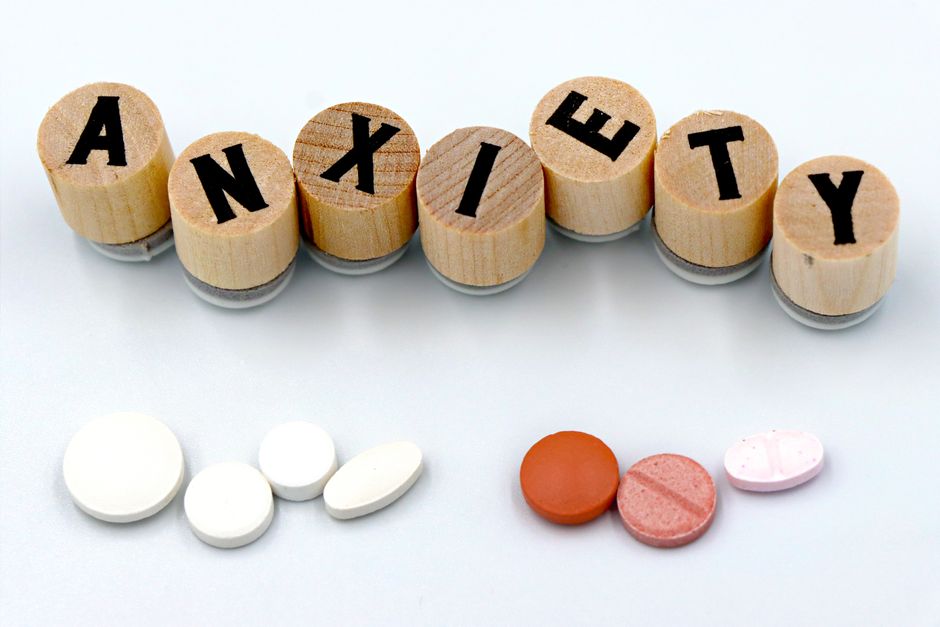
Yes, an anxiety attack can cause you to faint, though it is not the most common symptom. Fainting during extreme anxiety is usually caused by a sudden drop in blood pressure and heart rate, a reaction known as vasovagal syncope. While many people fear they will pass out during a panic attack, true fainting is more often linked to specific triggers like the sight of blood or intense emotional distress. Understanding the difference between feeling faint and actually fainting can help you manage these frightening episodes with more confidence.
What Happens in Your Body During an Anxiety Attack?
An anxiety attack triggers your body’s fight-or-flight response. This is an ancient survival system designed to protect you from danger. Your brain signals your adrenal glands to release hormones like adrenaline and cortisol.
These hormones cause your heart to beat faster and your breathing to quicken. Blood flow shifts away from your digestive system and toward your major muscle groups. This prepares your body to either fight a threat or run from it.
This response is helpful in real danger. But during an anxiety attack, there is often no actual threat. Your body is reacting to a perceived danger, not a real one. The physical symptoms can be intense and frightening.
Can an Anxiety Attack Cause You to Faint?
Yes, but the mechanism is not what most people expect. Many assume that a racing heart and rapid breathing would cause fainting. In reality, fainting during anxiety usually comes from the opposite reaction.
Some people experience a sudden drop in blood pressure and heart rate during intense emotional stress. This is called vasovagal syncope. The vagus nerve overreacts and signals your heart to slow down. Blood pools in your legs, and less blood reaches your brain. You lose consciousness briefly.
This reaction is more common with specific triggers. Seeing blood, receiving an injection, or experiencing sudden intense fear can cause it. Some people faint during panic attacks, but it is not the typical pattern.
More often, people feel like they are about to faint without actually losing consciousness. This sensation is called presyncope. It feels similar to the moments before fainting, but you remain awake.
Why Do You Feel Like You Might Faint?
Hyperventilation is a major reason. During an anxiety attack, many people breathe too quickly. This causes you to exhale too much carbon dioxide. Changes in blood chemistry can cause dizziness, lightheadedness, and tingling in your hands and feet.
These symptoms can feel exactly like the early stages of fainting. Your brain interprets these physical signals as a sign that you are about to pass out. This interpretation can increase your anxiety, creating a cycle.
Muscle tension also plays a role. When you are anxious, you may tense your neck and shoulders without realizing it. This tension can restrict blood flow to the brain slightly, adding to the lightheaded feeling.
Another factor is dehydration or low blood sugar. If you have not eaten or drunk enough, your body has less reserve to handle the physical stress of an anxiety attack. This can make presyncope symptoms worse.





What Is the Difference Between Feeling Faint and Fainting?
Feeling faint is common during anxiety. Actually fainting is less common. The distinction matters for how you respond.
Feeling faint includes symptoms like dizziness, blurred vision, and weakness in your legs. You may feel warm or clammy. Your ears might ring. You remain conscious throughout.
Fainting means you lose consciousness completely. You fall to the ground. You typically wake up within a minute or two. Some people experience confusion or fatigue afterward.
If you have never actually fainted but frequently feel like you might, you are likely experiencing presyncope. This is distressing but generally not dangerous on its own. Knowing this can reduce the fear that drives the cycle.
How to Prevent Fainting During an Anxiety Attack
If you feel faint during anxiety, certain actions can help. These techniques work by raising your blood pressure and getting more blood to your brain.
Try tensing the muscles in your legs and abdomen. Clench your fists and tighten your arms. Hold the tension for about 15 seconds, then release. Repeat this several times. This pushes blood back toward your upper body and brain.
Sit down if you can. If you are standing, cross your legs and squeeze them together. This also helps maintain blood pressure. If you are sitting, lower your head between your knees.
Slow your breathing. Breathe in through your nose for a count of four. Hold for a moment. Breathe out slowly through your mouth for a count of six. Slower exhales help reduce hyperventilation.
Drink water if you have it nearby. Dehydration makes presyncope more likely. Eating something small can help if low blood sugar is contributing.
When Should You See a Doctor?
Fainting can have many causes beyond anxiety. Some are serious. It is important to get an accurate diagnosis before assuming anxiety is the cause.
See a doctor if you faint without a clear trigger. You should also seek medical attention if you faint multiple times. Fainting during exercise, while lying down, or accompanied by chest pain or palpitations warrants evaluation.
Your doctor can check for heart conditions, blood pressure issues, or neurological problems. An electrocardiogram and blood tests are common first steps. If these are normal, your doctor may refer you to a specialist.
If anxiety is confirmed as the cause, treatment options exist. Cognitive behavioral therapy helps many people manage anxiety attacks. Some people benefit from medication. A mental health professional can guide you through these choices.
Can You Faint From Hyperventilation Alone?
Hyperventilation alone rarely causes true fainting. It causes lightheadedness and dizziness, but it does not typically drop blood pressure enough to make you lose consciousness.
What happens is different. Rapid breathing lowers carbon dioxide levels in your blood. This causes blood vessels in your brain to constrict slightly. The reduced blood flow causes the sensation of faintness.
This is why slow breathing helps. Restoring normal carbon dioxide levels allows those blood vessels to relax. The lightheaded feeling fades as your breathing normalizes.
Frequently Asked Questions
Can a panic attack make you pass out?
Yes, but it is not the most common outcome. Fainting during a panic attack is usually caused by vasovagal syncope, a sudden drop in heart rate and blood pressure.
Why do I feel like I am going to faint during anxiety?
Hyperventilation and muscle tension are the main causes. These produce dizziness and lightheadedness that feel like the onset of fainting, even though you remain conscious.
What should I do if I feel faint during an anxiety attack?
Sit down and tense your leg and abdominal muscles for about 15 seconds at a time. Slow your breathing and drink water if available.
Is fainting from anxiety dangerous?
Vasovagal fainting is generally not dangerous on its own. However, you can injure yourself if you fall, so it is important to sit down when you feel faint.
Fainting from anxiety is possible but not the typical experience. Most people feel like they might faint without actually losing consciousness. Understanding this difference reduces fear. If you faint regularly or without a clear trigger, see a doctor to rule out other causes.
