
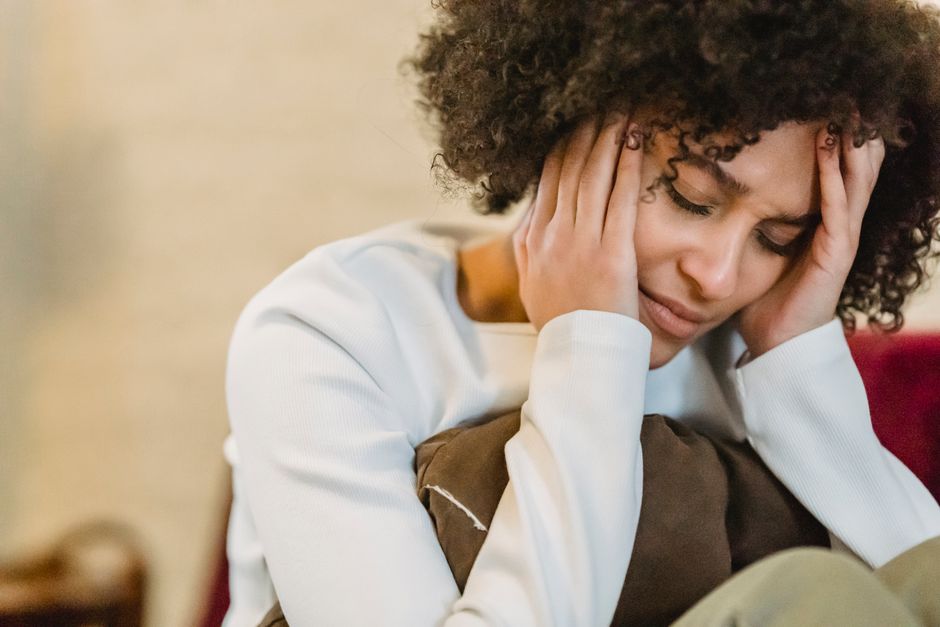
An anxiety attack can feel like your body has taken over. Your heart races, your chest tightens, and your mind floods with fear. In that moment, the goal is not to analyze the feeling—it is to bring your body back to safety. Experts recommend grounding techniques, slow breathing, and sensory redirection to help you relax from an anxiety attack. These methods work by signaling to your nervous system that the immediate threat has passed.
What Is an Anxiety Attack and How Does It Feel?
An anxiety attack is a sudden surge of intense fear or discomfort that peaks within minutes. It is not a formal medical diagnosis, but the experience is very real. Symptoms can include a racing heartbeat, shortness of breath, sweating, trembling, dizziness, and a feeling of impending doom.
Your body’s stress response triggers this reaction. The sympathetic nervous system releases adrenaline and cortisol, preparing you to fight or flee. The problem is that there is no actual danger, so the energy has nowhere to go. Understanding this mechanism helps because it reminds you that the feelings are physical, not a sign of something worse.
How to Relax from an Anxiety Attack: Techniques That Work Now
The most effective way to relax from an anxiety attack is to interrupt the stress response directly. Here are the techniques that anxiety specialists consistently recommend.
Slow diaphragmatic breathing. Rapid, shallow breathing fuels the panic cycle. Slow breathing from your diaphragm activates the parasympathetic nervous system, which is the “rest and digest” branch. Breathe in through your nose for four counts, hold for a moment, and exhale slowly through your mouth for six counts. The longer exhale is key because it slows your heart rate.
Grounding with your senses. The 5-4-3-2-1 technique is widely taught in cognitive behavioral therapy. Name five things you can see, four you can touch, three you can hear, two you can smell, and one you can taste. This forces your brain to shift attention away from internal panic and toward the external environment.
Cold water or ice. Splashing cold water on your face or holding an ice cube can trigger the dive reflex. This physiological response slows your heart rate and redirects blood flow. Some people keep a cold pack in the freezer for this exact purpose.
Muscle relaxation. Progressive muscle relaxation involves tensing and then releasing each muscle group. Start with your feet and work up to your face. The contrast between tension and release helps your body remember what relaxation feels like.
These methods are not theoretical. They are standard tools used in anxiety treatment programs and are supported by clinical evidence for reducing acute stress symptoms.
Why Does Deep Breathing Help During an Anxiety Attack?
Deep breathing works because it directly changes the signals your brain receives. When you breathe slowly and fully, you stimulate the vagus nerve. This nerve runs from your brainstem to your abdomen and is a major pathway for the parasympathetic nervous system.
The vagus nerve sends a message to your brain that the body is safe. In response, your brain reduces the output of stress hormones and slows your heart rate. This is the opposite of the fight-or-flight response that started the attack.
There is also a mechanical component. A slow exhale physically slows the heart. This is called respiratory sinus arrhythmia, and it is a normal, healthy variation in heart rate that becomes more pronounced with slow breathing. The effect is measurable within minutes.



What Should You Not Do During an Anxiety Attack?
Knowing what to avoid is just as important as knowing what to do. Some common responses make the attack worse.
Do not fight the feeling. Pushing against anxiety often intensifies it. The goal is not to eliminate the feeling instantly but to let it pass. Anxiety attacks peak and then decline on their own, usually within 10 to 20 minutes.
Do not check your pulse repeatedly. Reassurance-seeking behaviors like taking your pulse or checking your blood pressure feed the anxiety loop. Each check provides temporary relief, followed by a new wave of worry.
Do not breathe into a paper bag. This old advice can be harmful. It lowers oxygen levels in your blood and can increase dizziness. Slow, normal breathing is safer and more effective.
Do not use alcohol to calm down. Alcohol may dull the feeling temporarily, but it can trigger rebound anxiety as it wears off. It also interferes with sleep, which is already disrupted by anxiety.
When an Anxiety Attack Happens at Night
Nocturnal anxiety attacks are common and particularly distressing because they wake you from sleep. The symptoms are the same, but the context is different. You are disoriented and in the dark, which can amplify fear.
If you wake with a racing heart, resist the urge to jump out of bed. Sit up slowly and place your feet on the floor. The cool floor provides sensory grounding. Turn on a dim light and take several slow breaths before deciding whether to get up.
Some people find it helpful to keep a grounding object by the bed. A smooth stone, a stress ball, or a small stuffed animal can serve as a tactile anchor. When you touch it, you remind your brain that you are in your bedroom, not in danger.
Frequent nighttime attacks deserve medical attention. Recurring panic symptoms can disrupt sleep architecture and lead to chronic sleep deprivation, which in turn makes anxiety worse.
Long-Term Strategies to Reduce the Frequency of Anxiety Attacks
Managing an attack in the moment is one thing. Reducing how often they happen is another. Both matter.
Regular aerobic exercise. Physical activity burns off excess stress hormones and improves mood through endorphin release. Walking, swimming, or cycling for 30 minutes most days has been shown to reduce overall anxiety levels.
Consistent sleep schedule. Sleep deprivation lowers your threshold for anxiety. Going to bed and waking at the same time every day, even on weekends, helps regulate your stress response.
Caffeine awareness. Caffeine is a stimulant that can mimic or worsen anxiety symptoms. Some people are highly sensitive and experience panic symptoms after a single cup. If you notice a pattern, reducing intake may help.
Cognitive behavioral therapy (CBT). CBT is the most well-established psychological treatment for anxiety disorders. It teaches you to identify the thoughts that trigger panic and to challenge them with evidence. Many people learn to recognize the early warning signs of an attack and intervene before it fully develops.
When to Seek Professional Help
An occasional anxiety attack is not unusual. But frequent attacks may indicate an anxiety disorder that benefits from treatment. Consider speaking with a healthcare provider if attacks happen more than once a week, interfere with work or relationships, or cause you to avoid certain situations.
Treatment options include therapy, medication, or both. Selective serotonin reuptake inhibitors (SSRIs) are the most commonly prescribed medications for anxiety disorders. They are not fast-acting—they typically take several weeks to work—but they can significantly reduce the frequency and intensity of attacks.
Therapy and medication are not mutually exclusive. Many people find that combining them produces the best results. A mental health professional can help you decide what fits your situation.
Frequently Asked Questions
How long does an anxiety attack last?
Most anxiety attacks peak within 10 minutes and resolve within 20 to 30 minutes. The physical symptoms gradually fade as your body clears the stress hormones.
Can you stop an anxiety attack once it starts?
You cannot instantly stop it, but you can shorten it and reduce its intensity. Slow breathing, grounding techniques, and cold water can help your nervous system settle more quickly.
Is there a difference between an anxiety attack and a panic attack?
Panic attack is the clinical term used in diagnostic criteria, while anxiety attack is a broader everyday term. Both involve sudden intense fear, but panic attacks are typically more severe and may occur without an obvious trigger.
What is the fastest way to calm your nervous system?
A slow exhale is the fastest physiological method. Breathing out for six counts or longer activates the vagus nerve and slows your heart rate within seconds.
