
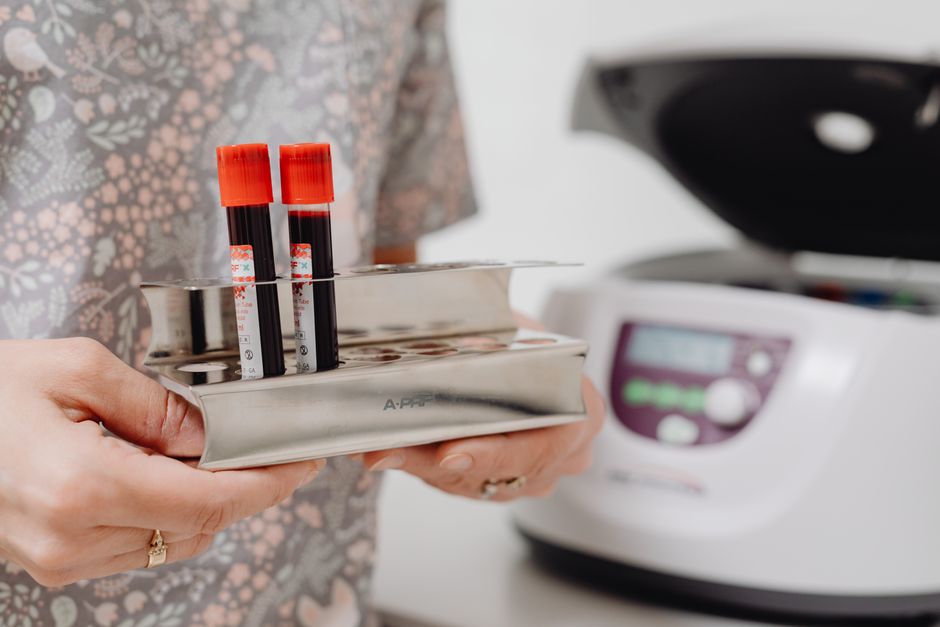
Most fasting blood tests ask you to stop eating for 8 to 12 hours before the needle goes in. The standard window for a fasting glucose or lipid panel is 8 to 12 hours, and many labs default to 12. Water is fine. Black coffee is usually fine too, though you should confirm with your lab. The single most important rule is to follow the specific instructions your ordering clinician gave you, because the right fasting time depends on which test is being run.
Fasting is not a universal requirement. A complete blood count, thyroid panel, or vitamin D test does not need it. Knowing which tests actually require fasting — and which do not — saves you an uncomfortable morning and, in some cases, protects the accuracy of your results.
How Long Before Blood Tests Should You Fast? The Timeline by Test Type
Different tests have different fasting requirements, and some have none at all. The timeline below reflects standard clinical practice. Your lab or clinician may use a different window, so their instructions take priority.
| Test | Typical fasting time | Notes |
|---|---|---|
| Fasting glucose | 8–12 hours | Water allowed. No calories. |
| Lipid panel (cholesterol) | 8–12 hours | Many labs use 12 hours. Some guidelines now allow non-fasting lipid testing for most people. |
| Basic or comprehensive metabolic panel | 8–12 hours | Often ordered fasting because it includes glucose. |
| Hemoglobin A1c | None | Reflects average blood sugar over roughly the past 2–3 months. |
| Complete blood count (CBC) | None | Food does not meaningfully change results. |
| Thyroid panel (TSH, T4) | None | Fasting not required. |
| Vitamin D, B12, iron studies | None | Fasting not typically required. |
| Triglycerides (when measured alone) | 8–12 hours | Triglycerides rise after a meal, so fasting matters more here. |
If you are unsure, call the lab before your appointment. A two-minute phone call beats a wasted fasting morning.
Why Do Some Blood Tests Require Fasting?
Fasting removes the effect of your last meal so the result reflects your baseline. When you eat, glucose and triglycerides rise in your blood. That is normal. But if a lab measures them while food is still being absorbed, the number can look abnormal even when your body is handling food perfectly well.
Glucose is the clearest example. After a meal, blood sugar climbs, then insulin signals cells to take it up, and levels fall back toward baseline over the next couple of hours. A fasting glucose is measured after that cycle has finished. That is why the test is done fasting — it gives a clean starting point.
Triglycerides behave similarly. They spike after a fatty meal and can stay elevated for hours. A non-fasting triglyceride reading is harder to interpret against standard reference ranges.
Cholesterol is more complicated, and this is where the guidance has shifted. For decades, lipid panels were ordered fasting by default. More recent evidence has shown that total cholesterol and HDL cholesterol change relatively little after eating, which is why some major guidelines now support non-fasting lipid testing for most routine screening. LDL cholesterol is trickier to measure accurately without fasting, though many labs can now calculate or measure it directly. The practical result: some clinicians still order fasting lipids, and some do not. Follow your own order.
Can You Drink Water While Fasting for Blood Work?
Yes. Plain water is allowed and encouraged during a fasting blood test. Staying hydrated actually makes the blood draw easier because it keeps your veins plump and easier to find.
What counts as breaking a fast:
- Any food, including a small snack
- Coffee or tea with milk, cream, or sugar
- Juice, soda, sports drinks, or any drink with calories
- Gum, mints, or hard candy (they contain sugar or trigger digestion)
Black coffee and plain tea are usually considered acceptable because they contain almost no calories. But this is not universal. Some labs and clinicians prefer nothing but water. Caffeine can also affect certain hormone and metabolic measurements, so check before you sip.
One non-obvious point: even a small amount of cream in your coffee can register as a calorie source and affect a lipid result. If you are not sure whether your coffee counts, drink it black or skip it.

What Happens If You Accidentally Eat Before a Fasting Blood Test?
Tell the person drawing your blood. Do not pretend you fasted. A result measured after eating may be flagged as abnormal when nothing is wrong, or it may be quietly unreliable. Either way, your clinician needs to know so they can interpret the number correctly.
In most cases, the test can simply be rescheduled. That is inconvenient but safe. Never skip a test or change your medication schedule on your own to “fix” a fasting mistake. If you take medication that must be timed around food, or you have diabetes and are at risk of low blood sugar, call your clinician before fasting at all.
If you ate by accident and the test still goes ahead, ask whether the result will be marked as non-fasting. That label matters. A non-fasting glucose of 140 mg/dL means something different from a fasting glucose of 140 mg/dL, and the two should not be read the same way.
Does Fasting Affect Medications and Daily Routine?
Fasting can affect how your body handles medication, and some drugs must be taken with food. Do not stop or reschedule any medication without asking the clinician who prescribed it. This matters most for diabetes medications, insulin, and drugs where timing is critical.
If you take a medication with breakfast, ask your clinician how to handle it on test day. In many cases they will give you specific instructions — take it with a sip of water, delay it until after the draw, or adjust the dose. Those instructions come from your care team, not from a general article.
For most healthy adults, an 8 to 12 hour fast overnight is manageable. Schedule the draw for the morning, eat dinner at your normal time, and skip breakfast until after the appointment. Bring a snack for afterward. If you have diabetes, are pregnant, or take medication that affects blood sugar, get individual guidance first — general fasting advice is not designed for those situations.
When Fasting Is Not Required — and Why That Matters
Many common tests do not require fasting at all, and fasting unnecessarily can make people skip appointments or arrive feeling unwell. A complete blood count, thyroid function tests, vitamin levels, and most hormone panels do not need it.
There is a practical reason this matters. If you are booked for a CBC and a thyroid panel, you can eat normally. If the same visit includes a glucose or lipid panel, you probably need to fast. The requirement belongs to the specific test, not to the appointment as a whole.
If your order lists several tests and you are not sure which ones need fasting, ask. The lab can tell you in seconds. Do not assume every blood draw means an empty stomach — that assumption leads to a lot of unnecessary hunger and a few genuinely unwell mornings.
Frequently Asked Questions
How many hours should you fast before a blood test?
Most fasting blood tests require 8 to 12 hours without food. Many labs default to 12 hours for glucose and lipid panels.
Can I drink coffee before a fasting blood test?
Black coffee with no sugar or cream is usually acceptable, but some labs prefer water only. Confirm with your lab, since caffeine can affect certain measurements.
What happens if I eat before a fasting blood test?
Tell the person drawing your blood so the result can be interpreted correctly. In most cases the test is simply rescheduled.
Do all blood tests require fasting?
No. Tests like a CBC, thyroid panel, and vitamin D do not require fasting. Only specific tests, such as fasting glucose and lipid panels, typically do.
