
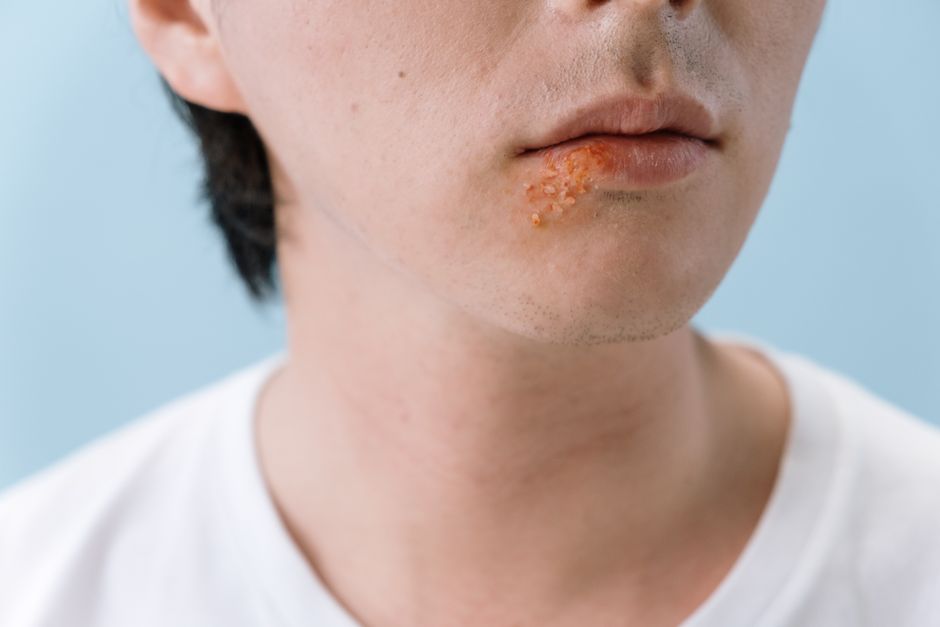
Yes, a staph infection is contagious. It spreads through direct skin-to-skin contact with an infected person or by touching contaminated objects, such as towels, razors, or gym equipment. The bacteria, Staphylococcus aureus, live on the skin or in the nose of about 30% of healthy people without causing harm, but when they enter the body through a cut or wound, they can cause an infection that is easily passed to others.
How Does Staph Spread From Person to Person?
Staph bacteria spread primarily through physical contact. The most common route is skin-to-skin contact with someone who has an active infection, especially if that person has a draining sore or wound.
You can also pick up the bacteria from contaminated surfaces. Staph can survive on objects like towels, sheets, athletic equipment, and door handles for hours or even days. Sharing personal items is a common way the infection moves between household members.
Some people carry staph in their nose or on their skin without ever getting sick. This is called colonization. These carriers can still spread the bacteria to others, even though they show no symptoms themselves.
Is A Staph Infection Contagious How It Spreads Through Casual Contact
Casual contact like a quick hug or a handshake rarely spreads staph if your skin is intact. The bacteria need a way in. They enter through cuts, scrapes, bug bites, or any break in the skin barrier.
This is why staph infections are so common in settings where people share close quarters and have frequent skin contact. Gyms, locker rooms, and schools are prime environments for transmission. Athletes who wrestle or play contact sports face higher risk because of repeated skin-to-skin contact and minor abrasions.
Being colonized with staph does not mean you will develop an infection. It means the bacteria are present on your body. An infection only occurs when the bacteria breach the skin and multiply in tissue.
What Does a Staph Infection Look Like?
Most staph infections start as small red bumps that resemble pimples, boils, or spider bites. These can quickly turn into painful, swollen areas filled with pus. The skin around the bump is often red, warm, and tender to the touch.
This pus is highly contagious. If the bump drains, the fluid contains millions of bacteria. Anyone who touches that fluid and then touches their own skin can become infected.
Some staph infections go deeper than the skin. They can infect hair follicles, causing folliculitis, or spread into the bloodstream, which is a serious medical emergency. Signs of a deeper infection include fever, chills, and spreading redness that expands rapidly.
Not every red bump is staph. Many skin conditions look similar. If you are unsure what you are dealing with, a healthcare provider can swab the area and confirm whether staph bacteria are present.





How Long Is a Staph Infection Contagious?
A person with an active staph infection remains contagious as long as the wound is draining or open. Once the wound is covered with a clean, dry bandage and pus stops leaking, the risk of spreading it drops significantly.
For people taking antibiotics, the contagious period usually lasts about 24 to 48 hours after treatment begins, provided the wound is properly covered. However, if the infection is not responding to treatment or the wound continues to drain, the person can remain contagious for longer.
Colonized individuals — people who carry staph without symptoms — can shed bacteria indefinitely. They are contagious in a low-level sense but rarely cause outbreaks unless they have poor hand hygiene or open wounds.
Can You Get Staph From a Toilet Seat or Public Surfaces?
Yes, it is possible, though not the most common route. Staph bacteria can survive on hard surfaces like plastic, metal, and tile. Public gym equipment, shared towels, and bathroom fixtures are all surfaces where the bacteria can linger.
The risk depends on whether the bacteria are present and whether you have a break in your skin. Touching a contaminated surface with intact skin is low risk. Scratching an insect bite after touching that same surface is how most surface-related infections start.
Washing your hands with soap and water or using an alcohol-based hand sanitizer after touching shared surfaces is an effective way to reduce your risk. Soap and water physically remove the bacteria, while alcohol-based sanitizers kill them.
How Do You Prevent Spreading Staph to Your Family?
If you or someone in your household has a staph infection, take these steps to protect others:
- Cover all wounds with a clean, dry bandage and change it regularly.
- Wash your hands thoroughly with soap and water after touching the infected area.
- Do not share towels, washcloths, razors, or clothing with anyone.
- Wash bedding and towels in hot water with bleach if possible.
- Wipe down shared surfaces like counters and doorknobs with a disinfectant.
These measures are simple but highly effective. Staph is not airborne. It does not travel through coughs or sneezes like a cold virus does. It requires direct contact with contaminated skin or objects.
Keeping wounds covered is the single most important step. A covered wound contains the bacteria and prevents them from reaching surfaces and other people.
When Should You See a Doctor for a Staph Infection?
Many minor staph infections clear up on their own with proper cleaning and care. Washing the area with soap and water, applying a warm compress, and keeping it covered is enough for small boils that drain naturally.
See a doctor if the infection does not improve within a few days, if it grows larger or more painful, or if you develop a fever. Red streaks spreading from the wound toward your body are a warning sign that the infection is moving into deeper tissue or your bloodstream. This requires immediate medical attention.
Some staph strains are resistant to common antibiotics. Methicillin-resistant Staphylococcus aureus, known as MRSA, is a type of staph that does not respond to penicillin-related drugs. MRSA infections are more difficult to treat and often require specific antibiotics that a doctor must prescribe.
Do not try to squeeze or pop a staph boil at home. This pushes bacteria deeper into the skin and can make the infection worse. A healthcare provider can drain it safely in a sterile setting if needed.
Does Having Staph Once Make You Immune?
No. Having a staph infection does not provide lasting immunity. Your body produces antibodies against the specific strain, but there are many strains of Staphylococcus aureus, and the immune response is not strong enough to prevent future infections.
Some people get recurrent staph infections, especially if they are colonized with the bacteria. For these individuals, doctors sometimes recommend a decolonization protocol. This may include using an antibacterial wash and applying antibiotic ointment inside the nose for a set period. This approach reduces the bacterial load on the body and lowers the chance of repeat infections.
Talk to your healthcare provider if you experience frequent staph infections. Repeated infections may signal an underlying issue with your immune system or an environmental source that needs to be addressed.
Frequently Asked Questions
Can staph spread through the air?
No, staph does not spread through the air like a cold or flu virus. It requires direct contact with infected skin, pus, or contaminated objects.
Can I get staph from a family member who has it?
Yes, staph spreads easily among household members through shared towels, bedding, razors, or direct skin contact with an infected wound.
Is a staph infection contagious after antibiotics start working?
Usually not after 24 to 48 hours of treatment, as long as the wound is covered and no longer draining. Continue covering the wound until it is fully healed.
Can you carry staph and never get sick?
Yes, about 30% of healthy people carry staph bacteria on their skin or in their nose without any symptoms. Carriers can still spread the bacteria to others.
