
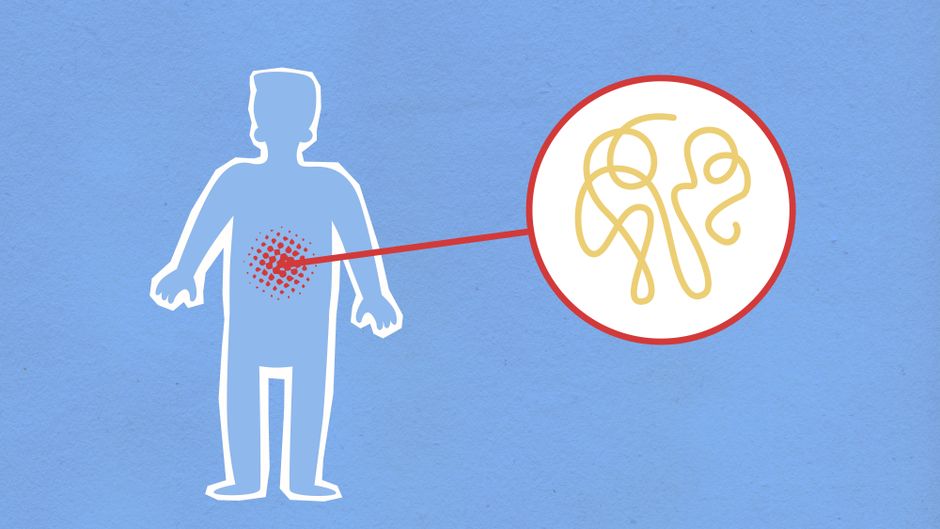
If you or someone in your house has a stomach bug, the short answer is that you are contagious from the moment symptoms start and for at least 48 hours after they stop. For some viruses, you can spread the illness for up to two weeks after you feel better. This guide breaks down the actual timelines based on the virus, what the research says, and what you need to know to protect your family.
What Makes a Stomach Bug Contagious?
A stomach bug is not one single illness. It is usually caused by a virus, most often norovirus or rotavirus. Bacteria like salmonella or E. coli can cause similar symptoms, but they work differently.
Viruses spread through the fecal-oral route. That means tiny particles of virus from an infected person’s stool or vomit get into another person’s mouth. This happens through contaminated hands, surfaces, food, or water. You do not need to see anything gross for it to happen. The virus particles are microscopic.
Norovirus is the most common cause in adults. The CDC states that norovirus causes about 19 to 21 million cases of vomiting and diarrhea in the United States each year. It is highly contagious. Fewer than 20 virus particles can make someone sick. For comparison, a single gram of vomit can contain billions of particles.
Rotavirus is more common in children under five. Before the vaccine, almost every child got it. The vaccine has cut cases sharply, but it still circulates.
How Long Are You Contagious Before Symptoms Start?
You can spread a stomach bug before you ever feel sick. This is called the presymptomatic period. For norovirus, research shows you are contagious about 24 to 48 hours before symptoms appear.
This matters because you cannot know you are sick yet. You might be preparing food, hugging your kids, or shaking hands. That is how outbreaks start. A study published in the Journal of Clinical Virology found that people shed norovirus in their stool before they had any symptoms. The amount of virus was high enough to infect others.
For rotavirus, the contagious period also begins a day or two before symptoms. The American Academy of Pediatrics reports that children can shed rotavirus in their stool before they start vomiting or having diarrhea.
This is why stomach bugs spread so fast through households, schools, and cruise ships. By the time you know someone is sick, others have already been exposed.
How Long Are Stomach Bugs Contagious After Symptoms End?
This is the most common question people have. The answer depends on the specific virus.
For norovirus, you are contagious for at least 48 hours after your symptoms stop. But here is the catch: you can shed the virus in your stool for up to two weeks. Some studies show shedding for as long as four weeks in people with weakened immune systems. You are less contagious during this later period, but you can still infect others.
For rotavirus, children can shed the virus for up to 10 days after symptoms end. In some cases, it lasts longer. The virus lives in the stool, so diapers and bathroom hygiene are major risks.
For bacterial causes like salmonella, the contagious period is different. You can shed bacteria in your stool for weeks after you feel better. The CDC notes that some people carry salmonella for months without symptoms.
| Virus | Contagious before symptoms | Contagious after symptoms end | Total contagious window |
|---|---|---|---|
| Norovirus | 24-48 hours | 48 hours minimum, up to 2 weeks | 3 days to 2+ weeks |
| Rotavirus | 24-48 hours | Up to 10 days | Several days to 2 weeks |
| Salmonella (bacterial) | Not typically | Weeks to months | Variable, often weeks |



How Do You Actually Catch a Stomach Bug?
Understanding transmission helps you know when to be careful. The virus does not float through the air like a cold virus. It needs a direct route into your mouth.
The most common ways are:
- Direct contact with an infected person. Shaking hands, hugging, or caring for someone who is sick.
- Contaminated surfaces. Norovirus can live on countertops, faucet handles, and doorknobs for days. Cleaning with bleach is necessary because alcohol-based hand sanitizers do not kill norovirus well.
- Contaminated food or water. Someone who is sick prepares your food. Or you eat raw shellfish from contaminated water.
- Vomit particles. Norovirus can become airborne briefly when someone vomits. The particles settle on surfaces and can be swallowed.
Hand sanitizer is not your friend here. The CDC is clear: hand sanitizer does not kill norovirus effectively. Soap and water, scrubbing for at least 20 seconds, is what works. You need the friction to physically remove the virus particles.
Bleach solutions are the standard for surfaces. Mix 5 to 25 tablespoons of household bleach per gallon of water, depending on the surface. Let it sit for at least five minutes before wiping.
How Long Should You Stay Home After a Stomach Bug?
Guidelines from public health agencies are clear. For norovirus, the CDC recommends staying home for 48 hours after symptoms stop. This is not 48 hours after you start feeling better. It is 48 hours after the last episode of vomiting or diarrhea.
Many people make the mistake of going back to work or school too early. They feel fine in the morning and think they are safe. But they are still shedding virus. That is how one person can start an outbreak in a daycare or office.
For children, the American Academy of Pediatrics recommends the same 48-hour rule. Children should not return to school, daycare, or group activities until they have been symptom-free for two full days. This includes no diarrhea, no vomiting, and no fever without medication.
For food handlers, healthcare workers, and childcare staff, the rules are stricter. Many local health departments require these workers to stay home for 48 to 72 hours after symptoms end. Some require a negative stool test before returning. This is because these jobs have a higher risk of spreading illness to vulnerable people.
If you have a weakened immune system, you may need to stay home longer. Talk to your doctor about when it is safe to be around others.
Does Having the Stomach Bug Once Make You Immune?
No. This is a common myth. You can get norovirus multiple times in your life. In fact, there are many different strains. Getting sick with one strain does not protect you from another.
Some people report getting stomach bugs less often as they age. This is likely because they have built up partial immunity to some strains over time. But it is not full protection. Outbreaks still happen in nursing homes and among adults.
Rotavirus is different. The vaccine provides good protection against severe disease. But even vaccinated children can get mild rotavirus infections. The vaccine does not prevent all cases, just the worst ones.
There is no vaccine for norovirus as of 2026. Several are in clinical trials, but none are available to the public yet. That means the only protection is careful hygiene and isolation during illness.
What to Avoid When Someone in Your House Is Sick
You cannot always avoid catching it, but you can lower the odds. Here is what does not work and what does.
What does not work:
- Hand sanitizer used alone. It is not effective against norovirus.
- Air purifiers. The virus does not float in the air long enough for this to help.
- Masks. Stomach bugs do not spread through respiratory droplets the way flu or COVID-19 does.
- Vitamin C, zinc, or elderberry. There is no evidence these prevent or treat viral gastroenteritis.
What actually helps:
- Wash hands with soap and water every time you touch the sick person or anything in the bathroom.
- Clean surfaces with a bleach solution. Do not use vinegar or natural cleaners. They do not kill norovirus.
- Keep the sick person in a separate bathroom if possible. Use disposable towels instead of shared hand towels.
- Wash laundry on the hottest setting. Use bleach if the fabric allows it. Handle dirty clothes with gloves and avoid shaking them.
- Do not share food, drinks, or utensils. Do not prepare food for others until 48 hours after your symptoms end.
One non-obvious point: if you are the one caring for the sick person, you are at high risk. You are touching contaminated surfaces and then touching your own face without realizing it. Wear gloves when cleaning the bathroom or handling soiled laundry. Take them off carefully and wash your hands immediately after.
Frequently Asked Questions
Frequently Asked Questions
Can I get a stomach bug from someone before they have symptoms?
Yes. You are contagious 24 to 48 hours before symptoms start. This is why stomach bugs spread so quickly through households.
How long does norovirus live on surfaces?
Norovirus can survive on hard surfaces for days or even weeks. Bleach-based cleaners are the only reliable way to kill it.
Should I stay home if I only have diarrhea but no vomiting?
Yes. You are still contagious. Stay home until 48 hours after your last episode of diarrhea.
Can you get the same stomach bug twice in one season?
Yes. There are many strains of norovirus. Getting sick with one does not protect you from others.
