
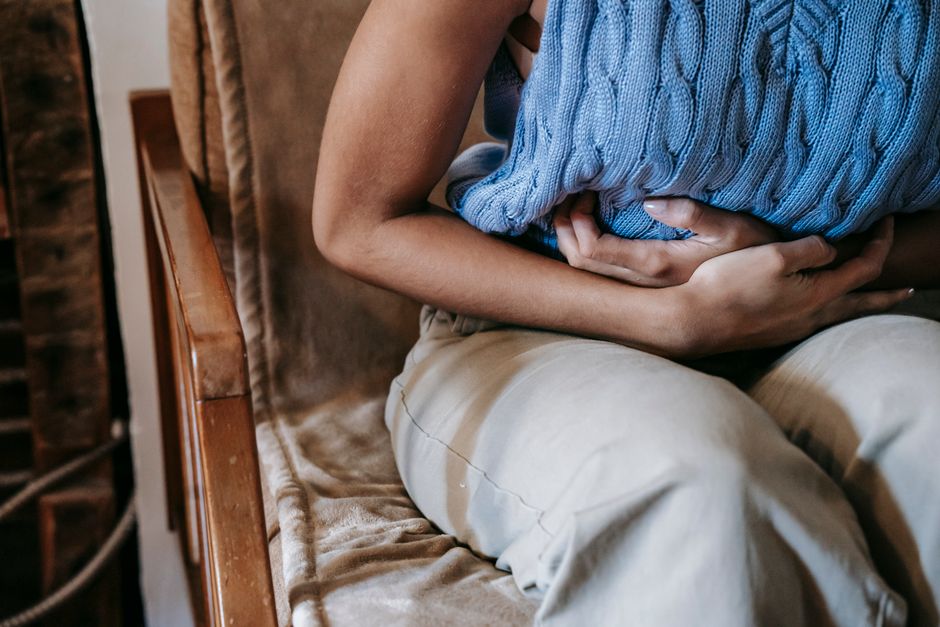
Stomach pain is one of the most common reasons people miss work or cancel plans. The right fix depends entirely on the cause. For simple indigestion or gas, a short fast, gentle heat, and small sips of clear fluids often bring relief within an hour. For sharp, severe, or persistent pain, home remedies are not the answer — that requires medical evaluation. This guide walks through the most common causes of stomach pain, what you can safely try at home, and the warning signs that mean you need to see a doctor.
What Causes Sudden Stomach Pain?
Sudden stomach pain usually comes from something you ate, swallowed air, or a temporary digestive slowdown. Gas, overeating, and mild food intolerance are the most frequent culprits. These conditions cause cramping, bloating, and a feeling of fullness that passes within a few hours.
More serious causes include gallstones, pancreatitis, appendicitis, ulcers, or an intestinal blockage. These conditions do not resolve on their own and often worsen over time. The key distinction is whether the pain fades with simple measures or continues to escalate.
Location matters. Pain high in the upper abdomen often relates to the stomach itself or the esophagus. Pain in the upper right side can point to the gallbladder or liver. Pain around the belly button that moves to the lower right side is a classic pattern for appendicitis. Lower abdominal pain in women may involve the reproductive organs. These patterns help doctors narrow down the cause, but they are not a substitute for an exam.
Immediate Steps to Try at Home
When pain is mild and you have no fever, vomiting, or severe tenderness, these steps are safe to try first.
Take a break from eating. Give your digestive tract a few hours of rest. This allows the stomach to empty and reduces the workload on your digestive system. Clear liquids like water, broth, or oral rehydration solutions are fine. Avoid solid food until the pain eases.
Apply gentle heat. A heating pad or warm compress on the abdomen can relax muscle spasms and provide comfort. Use a low or medium setting and place a cloth between the pad and your skin. Do not fall asleep with a heating pad on.
Sip fluids slowly. Dehydration can worsen cramping. Take small, frequent sips rather than gulping large amounts at once. Carbonated drinks, caffeine, and alcohol can irritate the stomach lining and should be avoided.
Try a warm bath. Full-body warmth can help relax tense abdominal muscles. If you feel nauseated, avoid a hot bath and instead rest in a cool, quiet room.
Rest in a comfortable position. Lying on your side with your knees drawn toward your chest can relieve pressure on the abdomen. Avoid lying flat on your back if that increases discomfort.
Over-the-Counter Options and Their Limits
Several non-prescription products can help with specific types of stomach pain. Each targets a different mechanism.
Antacids neutralize stomach acid and work best for heartburn or acid reflux. They provide rapid but short-lived relief. Common examples include calcium carbonate and magnesium hydroxide products.
Simethicone helps break up gas bubbles in the digestive tract. It does not stop gas production, but it can make trapped gas easier to pass. It is generally considered safe and has few side effects.
Bismuth subsalicylate can help with mild diarrhea, nausea, and indigestion. It works by reducing inflammation in the stomach lining and slowing the movement of fluids into the intestines. It can turn the tongue and stool dark, which is harmless.
Loperamide slows intestinal movement and is used for diarrhea. It should not be used if you have a fever or blood in your stool, because those signs may indicate a bacterial infection that needs different treatment.
No over-the-counter medication treats the underlying cause of severe pain. If a product does not help within a few hours, the problem may not be something a home remedy can fix.





When to Stop Home Treatment and See a Doctor
Some symptoms mean you should not wait to see if the pain passes. These are warning signs that require medical attention, often urgently.
- Pain that is severe enough to make it hard to stand up straight or find a comfortable position
- Pain that steadily worsens over several hours
- Fever above 100.4°F (38°C) along with abdominal pain
- Vomiting that will not stop, especially if you cannot keep down fluids
- Blood in vomit or stool, or stool that is black and tarry
- Yellowing of the skin or eyes
- Swelling or tenderness that makes even light touch painful
- Pain that follows a recent injury to the abdomen
- Pain during pregnancy
Appendicitis, a gallbladder infection, or a perforated ulcer can become life-threatening within hours. If you have any of these signs, do not eat or drink anything and seek medical care. Do not take pain medication before being evaluated, because it can mask symptoms that help doctors make a diagnosis.
How To Make Your Stomach Stop Hurting: Long-Term Prevention
Recurrent stomach pain is different from a one-time episode. If you experience stomach pain multiple times per month, the cause may be a chronic condition that responds to lifestyle changes.
Eat smaller, more frequent meals. Large meals stretch the stomach and trigger more acid production. Eating smaller portions every three to four hours reduces the digestive burden.
Identify trigger foods. Fatty foods, spicy dishes, carbonated drinks, and artificial sweeteners are common triggers for indigestion and gas. Keeping a food diary for two weeks can reveal patterns you might not notice otherwise.
Eat slowly. Swallowing air while eating fast contributes to bloating and gas. Chewing thoroughly and pausing between bites reduces the amount of air you swallow.
Stay hydrated between meals. Drinking large amounts of fluid with meals dilutes stomach acid and can slow digestion. Better to drink water throughout the day and only small sips during meals.
Walk after meals. Light physical activity stimulates intestinal movement. A 10-minute walk after eating can reduce bloating and help food move through the digestive tract.
Consider your stress level. The digestive tract is directly connected to the brain through the vagus nerve. Stress can slow or speed up intestinal movement, causing cramping and discomfort. Stress reduction techniques like deep breathing or meditation help some people, though the evidence for specific methods varies.
When Stomach Pain Is a Chronic Problem
Recurring pain that does not have a clear cause may be a functional gastrointestinal disorder. Irritable bowel syndrome (IBS) is the most common of these. It causes cramping, bloating, and changes in bowel habits without visible damage to the digestive tract.
IBS is a diagnosis of exclusion. That means doctors test for other conditions first — celiac disease, inflammatory bowel disease, infections, and food allergies — before settling on IBS. If you have had symptoms for more than three months, a medical evaluation is appropriate.
Some research suggests that a low-FODMAP diet helps many people with IBS. FODMAPs are types of carbohydrates that are poorly absorbed in the small intestine and ferment in the colon, producing gas and cramping. This diet is complex and should be done with guidance from a dietitian, not attempted on your own by cutting out entire food groups.
Other chronic conditions that cause stomach pain include gastritis, peptic ulcers, gallstones, and gastroesophageal reflux disease (GERD). Each has specific treatment approaches. A doctor can determine which condition fits your symptom pattern.
Myths About Stomach Pain That Can Delay Recovery
Several popular beliefs about stomach pain are not supported by evidence. Believing them can lead to delayed treatment or unnecessary suffering.
Milk coats the stomach. Milk temporarily buffers acid, but it also stimulates acid production after the initial effect wears off. For acid-related pain, milk can make symptoms worse within 30 minutes.
You should always eat something to settle the stomach. For acute pain, fasting is often more effective. Your digestive system needs time to process what is already there.
Drinking alcohol kills whatever is causing the pain. Alcohol irritates the stomach lining and increases acid production. It does not treat any cause of stomach pain.
Pain that goes away with home treatment was never serious. Some conditions, like gallstones, can cause intermittent pain that comes and goes. The pain stopping does not mean the underlying problem resolved.
Frequently Asked Questions
What is the fastest way to relieve stomach pain?
Stop eating, sip clear fluids, and apply gentle heat to the abdomen. If the pain is from gas or indigestion, this often brings relief within 30 to 60 minutes.
When should I go to the ER for stomach pain?
Go immediately if the pain is severe, steadily worsening, or accompanied by fever, vomiting that will not stop, blood in stool or vomit, or tenderness that makes light touch painful.
Can drinking water help stomach pain?
Yes, small sips of water can help with dehydration-related cramping, but large amounts can worsen bloating. Sip slowly rather than gulping.
Is it better to eat or fast when your stomach hurts?
Fasting for a few hours is usually better for acute pain. It gives the stomach time to empty and reduces digestive workload.
