
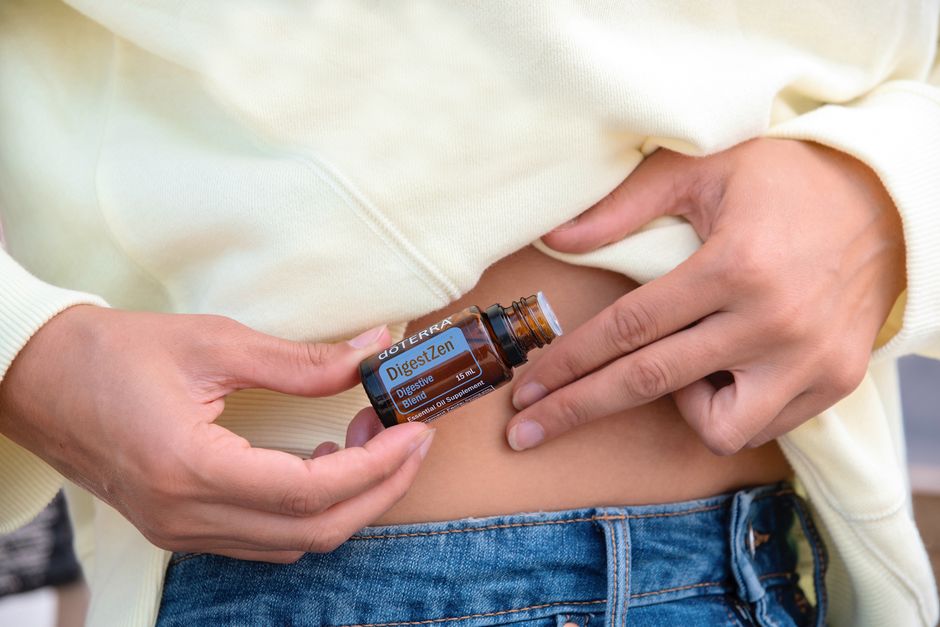
An upset stomach can stop your day in its tracks. Cramping, nausea, bloating, and that overall feeling of unease are rarely dangerous, but they are deeply uncomfortable. The fastest path to relief starts with understanding what your digestive tract is doing and giving it exactly what it needs. For most cases of simple indigestion or a mild stomach bug, the answer is a combination of hydration, bland food, rest, and time. Here is the straightforward guide to settling your stomach and knowing when the problem needs medical attention.
What Actually Causes an Upset Stomach?
Your digestive system is a long muscular tube. When something irritates it, the muscles contract too hard or too fast, and the lining becomes inflamed. This produces the classic symptoms of cramping, nausea, and diarrhea.
The most common triggers are viral infections, food poisoning, overeating, and eating foods that are too spicy or too fatty. Stress also plays a real role. Your gut and brain are directly connected through the vagus nerve, and anxiety can slow down or speed up digestion in ways that feel very physical.
Gastroenteritis is the medical term for the inflammation of the stomach and intestines. It is usually caused by a virus and typically clears up on its own within a few days. Food poisoning is similar but comes from bacteria or toxins in contaminated food. Both produce the same basic symptoms, and both respond to the same basic care.
What to Eat and Drink First
The first rule of settling an upset stomach is to stop making it work harder. Give your digestive tract a break. Start with small sips of clear liquids. Water is fine, but it does not replace the electrolytes you lose through vomiting or diarrhea.
Oral rehydration solutions are the gold standard. They contain the exact balance of salt, sugar, and water that your intestines need to absorb fluid. Sports drinks can work in a pinch, but they often contain too much sugar, which can draw water into the gut and make diarrhea worse.
Once you can keep liquids down for a few hours, move to bland foods. The BRAT diet is the classic recommendation: bananas, rice, applesauce, and toast. These foods are low in fiber, gentle on the stomach, and easy to digest. Bananas also replace potassium, which you lose when you are sick.
Other well-tolerated options include plain crackers, boiled potatoes, plain chicken without skin, and clear broths. Eat small amounts. A few bites every hour is better than a full meal that overwhelms your system.
Foods and Drinks to Avoid While Recovering
Your stomach lining is already irritated. Certain foods will make that irritation worse, and avoiding them is just as important as eating the right things.
Dairy products are a common problem. Even if you are not lactose intolerant, a sick gut often struggles to produce the enzyme needed to break down lactose. Milk, cheese, and ice cream can trigger cramping and worsen diarrhea.
Greasy and fried foods are hard to digest and slow down stomach emptying. This prolongs the feeling of fullness and nausea. Spicy foods directly irritate an inflamed stomach lining. Caffeine and alcohol both stimulate the digestive tract and act as diuretics, which can worsen dehydration.
Artificial sweeteners are another hidden trigger. Sugar alcohols like sorbitol and xylitol are poorly absorbed and pull water into the intestines, which can cause or worsen diarrhea. Check labels on gum, candies, and diet drinks.
Over-the-Counter Medications: What Works and What Does Not
Several over-the-counter options can help, but they work in different ways. Choosing the wrong one can make things worse.
For diarrhea, loperamide (Imodium) slows down the movement of the intestines, giving your body more time to absorb water and nutrients. It is effective for mild, non-fever diarrhea. However, you should not use it if you have a high fever or blood in your stool, because those signs suggest a bacterial infection that your body needs to flush out.
Bismuth subsalicylate (Pepto-Bismol) is a different option. It reduces inflammation in the stomach lining and has mild antibacterial properties. It can help with both diarrhea and nausea, but it can turn your tongue and stool dark, which is harmless and temporary.
For nausea, antihistamines like dimenhydrinate (Dramamine) can help, especially if motion sickness is involved. They work by blocking signals in the brain that trigger the vomiting reflex. They cause drowsiness in many people, so do not drive after taking them.
Antacids like Tums and Maalox neutralize stomach acid and work well for heartburn and acid reflux. They do nothing for cramping or diarrhea. If your upset stomach feels like burning in your chest, an antacid is the right choice. If you have cramping and loose stools, it will not help.
Natural Remedies: What the Evidence Actually Shows
Ginger is the most studied natural remedy for nausea. Research consistently shows that ginger can reduce nausea severity, particularly in pregnancy and after surgery. It works by blocking serotonin receptors in the gut. Ginger tea, chews, or capsules are reasonable options, though they are not a substitute for medication in severe cases.
Peppermint oil has good evidence for irritable bowel syndrome symptoms, specifically cramping and bloating. It relaxes the smooth muscle of the intestines. However, peppermint can worsen heartburn because it relaxes the valve between the stomach and esophagus. If your upset stomach includes acid reflux, skip the peppermint.
Chamomile tea is a mild anti-inflammatory and is generally soothing. The evidence for its digestive benefits is limited, but it is safe and hydrating, which is a benefit in itself.
Probiotics are more complicated. Some strains, particularly Saccharomyces boulardii and certain Lactobacillus strains, have shown modest benefits in shortening the duration of infectious diarrhea. The effect is not dramatic, and results vary by strain and individual. They are safe for most healthy adults but are not a fast-acting relief option.
When to See a Doctor
Most upset stomachs resolve within 48 hours. Some situations require medical evaluation. Seek care if you experience any of the following:
- Blood in your vomit or stool
- A fever above 101°F (38.3°C)
- Severe abdominal pain that does not come and go
- Signs of dehydration, including dark urine, dizziness, or no urination for more than 8 hours
- Vomiting that lasts more than 48 hours
- Symptoms that follow starting a new medication
Dehydration is the main danger with vomiting and diarrhea, especially in older adults and young children. If you cannot keep any fluids down for more than 12 hours, you may need intravenous fluids.
Also note the difference between an upset stomach and abdominal pain that is localized to one spot. Generalized cramping that moves around is typical of gastroenteritis. Pain that stays in the lower right side of your abdomen could be appendicitis and requires immediate medical attention. Pain in the upper right side, especially after a fatty meal, could indicate gallbladder issues.
Frequently Asked Questions
How long does an upset stomach usually last?
Most viral stomach bugs last 24 to 48 hours. If symptoms persist beyond three days, contact a doctor.
Is it better to let diarrhea run its course or stop it with medication?
For mild diarrhea without fever, medication like loperamide is safe and effective. With a fever or bloody stool, let the body flush it out and seek medical advice.
Can I drink coffee with an upset stomach?
No. Caffeine stimulates the digestive tract and can worsen diarrhea and dehydration. Wait until symptoms fully resolve.
Does the BRAT diet still work?
Yes, for short-term recovery. Bananas, rice, applesauce, and toast are gentle on the stomach. Return to a normal varied diet as soon as you feel ready.
