
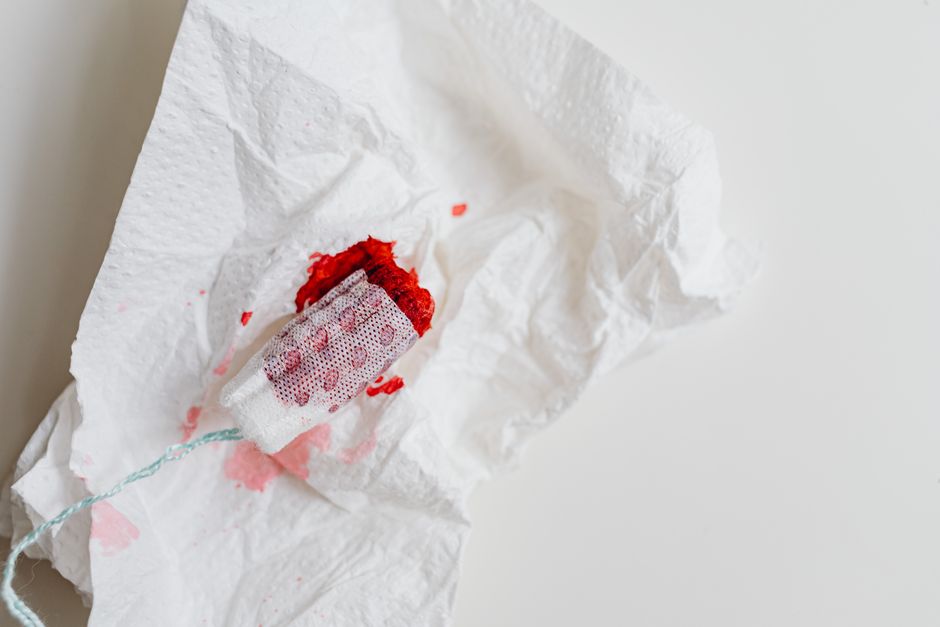
Yes, uterine fibroids can cause bleeding during pregnancy, though it is not the most common cause. Fibroids are non-cancerous growths in the muscle wall of the uterus, and they are present in a significant number of pregnancies. When they cause problems, bleeding is one of the possible symptoms, but it is important to understand that most women with fibroids have completely uneventful pregnancies. The bleeding is often linked to the fibroid’s location and size, and it is distinct from the more common causes of first-trimester spotting.
What Exactly Are Fibroids and How Common Are They?
Fibroids, also called leiomyomas, are growths made of muscle and fibrous tissue. They develop in or around the uterus. They are very common. Estimates suggest that up to 70-80% of women will develop fibroids by age 50, though many never know they have them because they cause no symptoms.
During pregnancy, the hormonal shifts—particularly the rise in estrogen—can cause fibroids to grow. However, most fibroids do not change size significantly during pregnancy. The bigger concern is often where the fibroid is located rather than how large it is.
How Can Fibroids Cause Bleeding During Pregnancy?
Fibroids can cause bleeding through several distinct mechanisms. The most direct way is when a fibroid sits close to the placental attachment site. The placenta needs a rich blood supply to nourish the baby. If a fibroid disrupts that blood flow or takes up space where the placenta wants to attach, it can cause small vessels to bleed.
Another mechanism is called “red degeneration.” This happens when a fibroid outgrows its own blood supply. The tissue inside the fibroid begins to break down, which causes pain and sometimes bleeding. This is more common in the second trimester.
Fibroids can also cause bleeding after intercourse or during a pelvic exam. This is because a fibroid that protrudes into the cervical area can make the tissues there more fragile and prone to bleeding.
It is critical to note that bleeding in early pregnancy is far more often caused by implantation bleeding, a threatened miscarriage, or an ectopic pregnancy. Fibroids are not the first thing a doctor looks for when a pregnant woman reports bleeding.
What Kind of Bleeding Do Fibroids Cause?
The bleeding from fibroids can vary. Some women experience light spotting that lasts a day or two. Others may have heavier bleeding that requires a pad or panty liner. The color can range from pink to bright red to dark brown, depending on how fast the blood is moving.
Pain often accompanies fibroid-related bleeding. This is especially true with red degeneration. The pain is usually localized to one side of the lower abdomen and can be sharp or a dull ache. Some women describe it as a constant pressure rather than a cramping pain.
One important distinction: fibroid bleeding is rarely massive or life-threatening on its own. Heavy, gushing bleeding with large clots is more concerning and warrants immediate medical attention, but it is less typical for a fibroid to cause that pattern.





When During Pregnancy Is Bleeding from Fibroids Most Likely?
Bleeding from fibroids can happen at any point, but there are patterns. In the first trimester, bleeding is more likely if the fibroid is located near the cervix or if it is interfering with early placental development. This bleeding is often mistaken for a threatened miscarriage.
The second trimester is when red degeneration most commonly occurs. This typically happens between 14 and 20 weeks. The pain can be severe, and some women do experience light to moderate bleeding along with it.
In the third trimester, bleeding from a fibroid is less common. If bleeding occurs late in pregnancy, doctors will usually look for other causes first, such as placenta previa or placental abruption, because these are more dangerous conditions.
How Is Fibroid-Related Bleeding Diagnosed?
If you report bleeding during pregnancy, your doctor will first rule out the more common and more dangerous causes. This means an ultrasound to check the baby’s heartbeat and the placental location. The ultrasound will also show the fibroids—their size, number, and exact position.
Sometimes a fibroid is not visible on an early ultrasound because it is very small. It may only be noticed on a later scan when it has grown. This is why a single normal ultrasound does not completely rule out fibroids as a cause of bleeding.
Your doctor will also check your cervix. A speculum exam can show whether the bleeding is coming from the cervix itself, which can happen if a fibroid is pressing on it, or from inside the uterus. This distinction matters for treatment decisions.
What Are the Risks to the Pregnancy?
Most women with fibroids who experience bleeding go on to have healthy pregnancies and healthy babies. The bleeding is often a temporary problem that resolves on its own. However, there are increased risks that need to be monitored.
Fibroids are associated with a higher rate of miscarriage in the first trimester, particularly if the fibroid is large or located beneath the placenta. Later in pregnancy, fibroids can increase the risk of preterm labor, malpresentation (when the baby is breech or transverse), and placental abruption.
It is important to keep these risks in perspective. The absolute risk remains low for most women. Many studies show that the majority of pregnancies with fibroids proceed without major complications. Your doctor will monitor you more closely if you have fibroids, which means more frequent ultrasounds to track the baby’s growth and the fibroid’s size.
What Treatment Is Available During Pregnancy?
There is no surgical treatment for fibroids during pregnancy for most women. Surgery to remove fibroids (myomectomy) during pregnancy is reserved for rare cases where the fibroid is causing severe, unrelenting pain or where it is directly compromising the pregnancy. The surgery carries significant risks, including the risk of miscarriage and preterm labor.
For most women, the treatment is supportive. Bed rest may be recommended for a short period. Pain relief with acetaminophen (Tylenol) is generally considered safe during pregnancy, but you should always ask your doctor before taking any medication. Non-steroidal anti-inflammatory drugs (NSAIDs) like ibuprofen are typically avoided in pregnancy, especially in the third trimester.
If the bleeding is heavy, you may need to be monitored in the hospital for a day or two. This is precautionary. The goal is to ensure the bleeding does not become severe and that the baby is not in distress.
Can Fibroids Cause Bleeding After Delivery?
Yes. Fibroids can also contribute to bleeding after the baby is born, a condition called postpartum hemorrhage. The uterus needs to contract firmly after delivery to clamp down on the blood vessels that supplied the placenta. Fibroids can interfere with these contractions, making the uterus sluggish.
The location of the fibroid matters here too. A fibroid near the placental site leaves a larger area of raw blood vessels that need to close. This can lead to heavier than normal bleeding in the hours after delivery.
Your delivery team should be aware of your fibroids before you give birth. They can prepare for the possibility of heavier bleeding and have medications ready to help the uterus contract.
Frequently Asked Questions
Can fibroids cause bleeding in early pregnancy?
Yes, fibroids can cause bleeding in the first trimester, especially if they are near the placental attachment site. However, bleeding in early pregnancy is more commonly caused by implantation or a threatened miscarriage, so fibroids are not the first suspicion.
How much bleeding do fibroids cause during pregnancy?
Bleeding is usually light to moderate, ranging from spotting to a flow that requires a pad. Heavy bleeding with large clots is not typical for fibroids and requires immediate medical evaluation.
What does fibroid pain during pregnancy feel like?
Fibroid pain is often a sharp or dull ache on one side of the lower abdomen. With red degeneration, the pain can be constant and severe, sometimes accompanied by light bleeding and a low-grade fever.
Is bleeding from fibroids dangerous for the baby?
In most cases, the bleeding itself is not directly dangerous to the baby. The main risk is if the bleeding signals a larger problem, such as placental abruption, which is why any bleeding during pregnancy should be reported to your doctor.
