
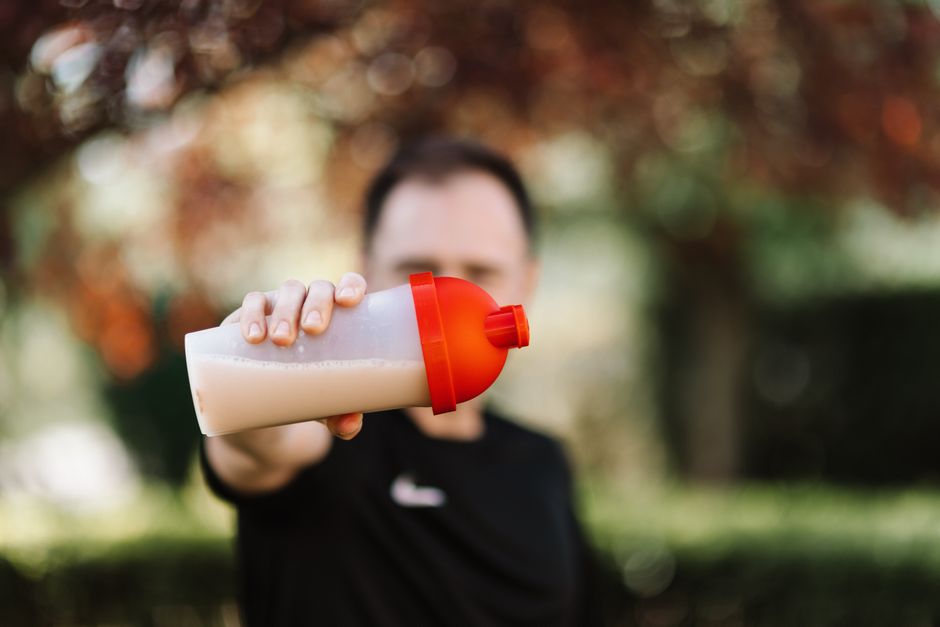
Whey protein starts as a liquid byproduct of cheese production. When milk is curdled to make cheese, the liquid that separates from the curds is whey. That liquid is then filtered, pasteurized, and dried into the powder you find in supplement containers. The process is straightforward, but the quality of the final product depends heavily on the filtration method used.
Where Does Whey Protein Actually Come From?
Whey comes from cow’s milk. Milk contains two main types of protein: casein and whey. Casein makes up about 80 percent of the protein in cow’s milk. Whey makes up the remaining 20 percent.
Cheese makers add enzymes or acid to warm milk. This causes the casein to clump together into curds. Those curds become cheese. The leftover liquid is whey. For decades, this liquid was considered a waste product and often discarded or fed to pigs.
That changed when manufacturers realized the whey liquid contained valuable protein. The liquid whey is mostly water, but it also contains lactose, minerals, and the whey proteins. Those proteins include beta-lactoglobulin, alpha-lactalbumin, and immunoglobulins. Today, whey is processed specifically to capture these proteins.
How Is Whey Protein Made Step by Step?
The journey from liquid whey to powder involves several precise steps. Each step affects the protein content and quality of the final product.
First, the liquid whey is transported from the cheese facility to a processing plant. It arrives as a thin, yellowish liquid. This liquid contains only about 6 to 7 percent solids. The rest is water.
Next comes filtration. This is the most important step. The liquid passes through fine filters that trap protein molecules while allowing water, lactose, and minerals to pass through. This process is called ultrafiltration. It concentrates the protein while removing much of the fat and lactose.
After filtration, the concentrated liquid undergoes further processing to remove more water. This is often done with evaporation under reduced pressure and heat. The result is a thick syrup-like concentrate.
The final step is drying. The concentrated liquid is sprayed into a chamber of hot air. This is called spray drying. The water evaporates almost instantly, leaving fine powder particles. The powder is then collected, packaged, and shipped.
Throughout this process, the product is pasteurized to kill harmful bacteria. Pasteurization happens at high temperatures for a short time. This is essential for food safety but can slightly alter some protein structures.
What Are the Different Types of Whey Protein?
The filtration method determines which type of whey protein you get. There are three main types sold commercially.
Whey protein concentrate is the least processed form. It typically contains 70 to 80 percent protein by weight. The remaining percentage is lactose, fat, and moisture. Because it retains more of the natural milk components, it often tastes better and costs less. People who are lactose sensitive may still have trouble with concentrate because it contains notable lactose.
Whey protein isolate undergoes additional filtration to remove more fat and lactose. It contains at least 90 percent protein by weight. This extra processing makes it more expensive. It is a better option for people who are lactose intolerant, though it is not completely lactose-free.
Whey protein hydrolysate is pre-digested. Enzymes break the protein chains into smaller fragments called peptides. This allows faster absorption after consumption. Hydrolysate is often used in medical protein formulas and sports nutrition products. It tends to taste more bitter and costs more than the other forms.
There is also micellar casein, which comes from the same milk but is a different protein entirely. It digests more slowly than whey. Many people use casein before bed for this reason, though the evidence for any specific benefit over whey is limited.





Does the Processing Method Matter for Quality?
Yes, the processing method matters significantly. The key difference is between cold-processed and heat-processed whey.
Heat is necessary for pasteurization and drying. However, excessive heat can denature the proteins. Denaturation means the protein structure unfolds. Some denaturation is natural and even helpful for digestion. However, excessive heat can reduce the activity of beneficial compounds like immunoglobulins and lactoferrin.
Most commercial whey protein is processed at temperatures that balance safety with protein quality. The protein content on the label is measured after processing. A product labeled as 80 percent protein actually contains that amount regardless of heat exposure.
Some manufacturers use a process called cross-flow microfiltration or ion exchange to create purer isolates without harsh chemicals. These methods are considered gentle and produce high-quality protein. You do not need to worry about choosing between these methods as a consumer. The label will clearly state whether you are buying concentrate, isolate, or hydrolysate.
Is Whey Protein the Same as Protein from Food?
Whey protein powder is a supplement, not a whole food. It lacks the other nutrients found in milk, such as calcium, vitamin D, and phosphorus. Some manufacturers add these back in, but you cannot assume they are present.
Whole food sources of protein, like chicken, eggs, fish, beans, and dairy, provide protein alongside other essential nutrients. Whey protein is convenient because it is quick to prepare and easily digested. It is particularly useful for people who struggle to meet protein needs through food alone, such as older adults or athletes in heavy training.
Research consistently shows that whey protein is effective for building and maintaining muscle when combined with resistance exercise. The leucine content in whey is particularly high. Leucine is the amino acid that most directly triggers muscle protein synthesis.
However, whey protein is not superior to food protein for general health. Your body cannot tell the difference between protein from whey powder and protein from chicken breast once it is digested into amino acids. The choice comes down to convenience, cost, and personal dietary needs.
Are There Any Risks or Side Effects?
Whey protein is safe for most healthy adults when consumed in normal amounts. The typical serving is 20 to 40 grams of protein per scoop, though this varies by product.
People with lactose intolerance may experience bloating, gas, or diarrhea after consuming whey protein concentrate. Whey protein isolate contains much less lactose and is often better tolerated. Hydrolysate may also be easier on digestion.
People with a milk allergy should avoid whey protein entirely. A milk allergy is different from lactose intolerance. It is an immune response to milk proteins, including whey and casein. Symptoms can range from hives to severe reactions. If you have a diagnosed milk allergy, do not consume whey protein.
High protein intake is generally safe for people with healthy kidneys. The concern about protein damaging kidneys is not supported by evidence in healthy individuals. However, people with existing kidney disease should consult their doctor before increasing protein intake significantly.
Some research suggests that very high protein intakes over long periods may have effects on bone health or kidney function, but the evidence is not conclusive. Moderate intake within recommended ranges does not appear to cause harm.
How Much Whey Protein Should You Take?
There is no single dose that works for everyone. Protein needs depend on body weight, activity level, age, and health status.
The general recommendation for healthy adults is 0.8 grams of protein per kilogram of body weight per day. This is the minimum needed to prevent deficiency. For example, a person weighing 70 kilograms, or about 154 pounds, would need about 56 grams of total daily protein.
Athletes and older adults often need more. Some sports nutrition guidelines suggest 1.2 to 2.0 grams per kilogram of body weight daily for active individuals. This total includes protein from all food sources, not just supplements.
A single scoop of whey protein powder typically provides 20 to 25 grams of protein. For most people, one to two scoops per day is reasonable. Taking more than this does not provide additional muscle-building benefit. Excess protein is simply used for energy or stored.
If you have kidney disease, diabetes, or other medical conditions, talk to your doctor before starting any protein supplement. No clinical guidelines currently exist for whey protein use in pregnant or breastfeeding women beyond normal dietary protein recommendations.
How to Choose a Quality Whey Protein Product
The supplement industry is not tightly regulated. Product labels can be inaccurate. Independent testing organizations like NSF International and Informed Sport test supplements for banned substances and label accuracy. Choosing a product with one of these certifications adds confidence.
Check the ingredient list. Quality whey protein should have few ingredients. If you see a long list of artificial flavors, sweeteners, and fillers, consider whether you want those additives.
Look for the protein content per serving. Compare the protein grams to the total serving size. A product with 25 grams of protein in a 30-gram scoop is higher quality than one with 20 grams of protein in a 40-gram scoop.
Be cautious with flavored products. They often contain artificial sweeteners that some people prefer to avoid. Unflavored whey protein is available and can be added to smoothies, oatmeal, or yogurt without changing the taste significantly.
Frequently Asked Questions
Is whey protein made from cow’s milk?
Yes, whey protein is derived from cow’s milk during the cheese-making process. People with a milk allergy should avoid it entirely.
What is the difference between whey concentrate and isolate?
Whey concentrate contains 70 to 80 percent protein and retains more lactose and fat. Whey isolate undergoes extra filtration to reach at least 90 percent protein with much less lactose.
Can whey protein cause weight gain?
Whey protein itself does not cause weight gain unless you consume more calories than your body burns. It can support muscle gain when combined with resistance training.
Is it safe to drink whey protein every day?
Yes, whey protein is safe for healthy adults to consume daily within normal amounts. People with kidney disease or milk allergies should consult a doctor first.
