
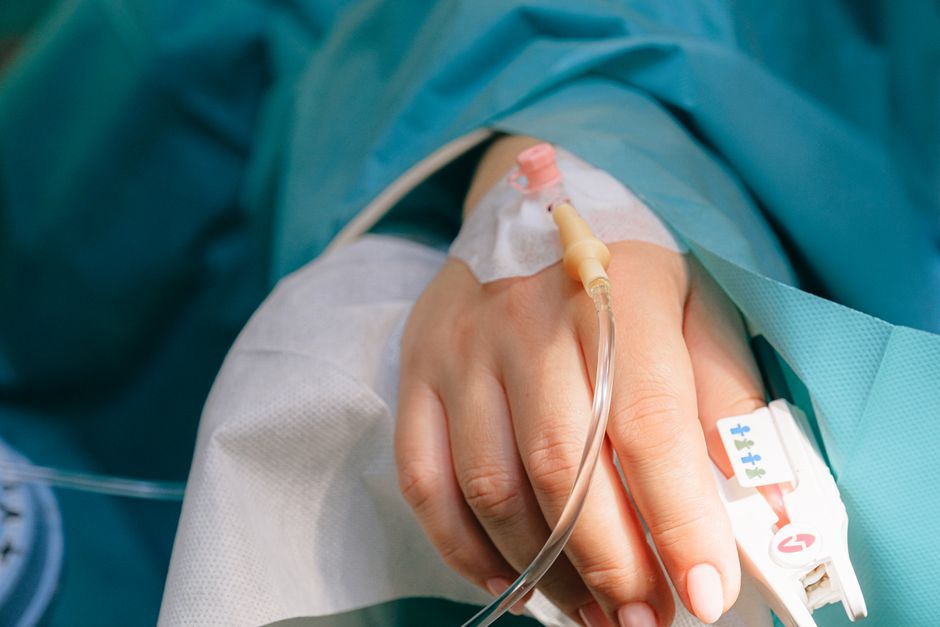
A port removal is a short surgical procedure, usually done in under an hour, to take out an implanted venous access device once it is no longer needed. Most people go home the same day. Recovery is typically faster and less uncomfortable than the original port placement, with most returning to normal activity within a few days.
The port — a small reservoir connected to a catheter placed in a large vein — is removed through a small incision, often in the same spot where it was inserted. Local anesthesia with sedation is common. Stitches or skin glue close the site, and a dressing covers it for a short time.
How Is A Port Removed Procedure And Recovery?
The procedure itself is straightforward and typically performed as an outpatient or same-day surgery. You will usually be asked not to eat or drink for several hours beforehand if sedation is planned.
During removal, the doctor numbs the skin over the port with a local anesthetic. A small incision is made, the port reservoir is freed from the tissue around it, and the catheter is gently pulled out of the vein. The incision is then closed, usually with a few stitches or surgical glue. The whole thing generally takes 15 to 45 minutes.
Most people feel pressure or tugging but little to no sharp pain. If deeper sedation is used, you may doze through it. Afterward, you rest in a recovery area for a short time while the sedation wears off, then you can usually go home the same day.
Recovery is typically mild. Expect some soreness, bruising, and a small amount of swelling at the site for a few days. Many people return to their usual activities — including work — within 24 to 48 hours. Strenuous exercise, heavy lifting, and swimming are usually avoided for a short period to let the incision heal and to lower the risk of bleeding or infection.
Why Would a Port Need to Be Removed?
Ports are removed for several reasons, and most of them are planned and routine.
- Treatment finished. This is the most common reason. Once a course of chemotherapy, long-term antibiotics, or other intravenous therapy is complete, the port is no longer needed.
- Infection. A port can become infected, and in many cases the device has to come out. This is one of the more serious reasons for removal.
- Clotting or blockage. A blood clot can form around the catheter or inside the vein, or the line can become blocked.
- Damage or malfunction. A cracked catheter, a flipped reservoir, or a device that no longer works properly.
- Patient preference or a change in care plan. Sometimes a person simply no longer needs it, or a different type of access is chosen.
Not every problem means the port must be removed. Some infections and clots can be treated while the port stays in place, depending on the situation. The decision is made by the treating team.
Who Performs the Removal and Where Is It Done?
Port removal is done by a doctor trained in the procedure. This is often a surgeon, an interventional radiologist, or another clinician who places and removes these devices. The setting varies.
Many removals happen in an operating room or a minor procedure room. Some are done in an interventional radiology suite, especially if imaging is used to help guide the catheter out. In some cases, a port can be removed at the bedside, but this depends on the device and the reason for removal.
If the port has been in place for a long time, or if there are concerns about the catheter being stuck to the vein wall, the team may plan for imaging or a more controlled setting. This is a precaution, not a sign that something is wrong.





What Happens During the Procedure?
The steps are consistent from patient to patient, though details vary.
First, the skin over and around the port is cleaned and numbed. The doctor makes a small cut, usually along the line of the original scar. The port reservoir sits just under the skin, so it is reached easily.
The reservoir is separated from the fibrous tissue that forms around it over time, then lifted out. The catheter — the thin tube that runs into the vein — is then withdrawn. The doctor applies pressure to stop any bleeding, checks that the catheter came out whole, and closes the incision.
In some cases the catheter tip can be a little stubborn, but it usually comes out without difficulty. The removed device is typically discarded, though it may be sent for testing if infection is suspected.
What Does Recovery Look Like Day by Day?
Recovery is usually quick, but it helps to know what to expect.
On the day of the procedure, you will rest and be monitored briefly before going home. The site may be tender, and there may be a small dressing. Mild pain is common and often managed with over-the-counter pain relievers, unless your doctor advises otherwise.
For the first day or two, keep the area clean and dry. Follow your care team’s instructions on when you can shower and when the dressing can come off. Avoid soaking the site in baths, pools, or hot tubs until it has healed.
Within a few days, soreness and bruising usually fade. Most people are back to normal routines quickly. If you had the port for chemotherapy, you may already be managing other recovery needs, and port removal is often one of the easier steps.
Call your care team if you notice signs of infection — increasing redness, warmth, pus, or fever — or if you have bleeding that will not stop, increasing pain, or swelling in the arm or neck. These are uncommon but worth checking.
What Are the Risks and Complications?
Port removal is generally low-risk, but no procedure is risk-free. The main risks are bleeding, infection, and a reaction to the anesthetic. These are uncommon.
Less common complications include a piece of the catheter breaking off, a blood clot, or injury to nearby structures. The risk of the catheter breaking is low, and the team checks that the whole device is removed.
If the port was removed because of an infection, you may need antibiotics. If a clot was present, your doctor may recommend treatment for that as well.
There is no strong evidence that removal causes long-term problems in most people. The vein where the catheter sat usually heals, though in some cases there can be narrowing or scarring. This is not common and often causes no symptoms.
How Does Port Removal Compare to Placement?
Removal is almost always easier than placement. Placement involves threading a catheter into a vein and creating a pocket under the skin, which takes longer and often requires more sedation. Removal is quicker, involves less tissue work, and usually causes less discomfort.
Because of this, recovery after removal tends to be shorter. Many people who needed a day or two to feel normal after placement find that removal is a much smaller event.
When Can You Go Back to Normal Activities?
Most people can return to light activities the next day. Walking and usual daily tasks are fine. Strenuous activity — heavy lifting, intense workouts, or contact sports — is usually avoided for a short time, often about a week, to protect the healing incision.
Swimming and soaking in water are typically avoided until the site is fully closed, which is usually a matter of days to about a week. Your care team will give you specific guidance based on how the incision looks.
If your port was removed because of an infection, your recovery timeline may be different, and your doctor will advise you.
What Should You Ask Your Care Team?
Before the procedure, it helps to know a few things.
- Where will the removal be done, and what type of anesthesia will be used?
- How long should I expect the procedure to take?
- When can I shower, and when can I exercise or swim?
- What warning signs should make me call you?
- Will I need antibiotics or other treatment afterward?
Port removal is a routine procedure with a short recovery for most people. Knowing what to expect makes it easier to plan and to know when to check in with your care team.
Frequently Asked Questions
How long does port removal surgery take?
Most port removals take about 15 to 45 minutes. The exact time depends on the device and whether any complications are present.
Is port removal painful?
Most people feel pressure or tugging rather than sharp pain, because the area is numbed. Afterward, mild soreness and bruising are common for a few days.
How soon can I exercise after a port is removed?
Light activity is usually fine the next day, but strenuous exercise and heavy lifting are typically avoided for about a week. Follow your care team’s specific instructions.
Can a port be removed at the bedside?
Sometimes, but it depends on the device and the reason for removal. Many removals are done in a procedure room or operating room for safety and control.
