
Sacrocolpopexy is a surgery to correct pelvic organ prolapse, a condition where the bladder, uterus, or rectum drops from its normal position into the vaginal canal. The procedure uses a piece of surgical mesh to attach the top of the vagina to a strong ligament in the lower spine, called the sacrum. This lifts the organs back into place and holds them there. It is considered a highly effective, major surgery with specific risks, a long recovery period, and a high success rate for restoring normal anatomy.
What Exactly Happens During a Sacrocolpopexy?
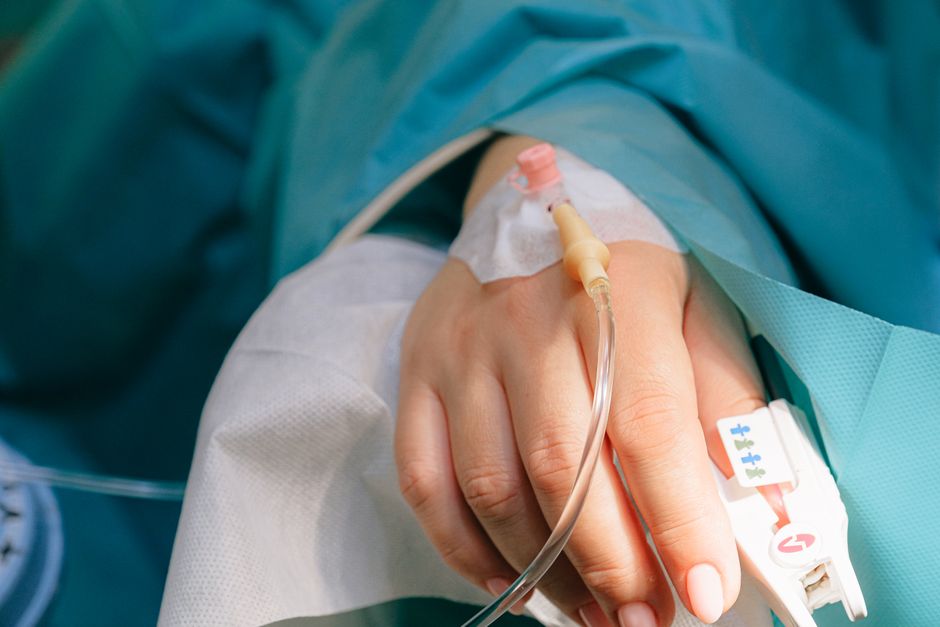
The surgery is performed under general anesthesia. You are completely asleep and feel no pain during the operation.
The surgeon makes an incision to reach the pelvic organs. This can be done through the abdomen, which is called an open or abdominal sacrocolpopexy. More commonly now, it is done laparoscopically. This means the surgeon uses small incisions and a camera to perform the surgery. Many laparoscopic procedures are also robot-assisted, giving the surgeon enhanced precision.
Once inside, the surgeon places a piece of synthetic mesh. One end of the mesh is stitched to the strong tissue at the top of the vagina. The other end is attached to the sacrum, which is the base of the spine. Over time, your own tissue grows into the mesh, creating a permanent supportive sling.
Who Is a Candidate for This Surgery?
This procedure is designed for women with significant prolapse. It is most often recommended when the prolapse is severe and causes symptoms that interfere with daily life.
Common symptoms include a visible bulge from the vagina, a feeling of pressure or fullness, difficulty starting a urine stream, and problems with bowel movements. Some women also experience pain during sex.
It is not the first treatment option. Doctors usually recommend trying less invasive approaches first. These include pelvic floor physical therapy, vaginal pessaries (a device inserted to support the organs), and lifestyle changes like managing constipation. Sacrocolpopexy is typically considered when these options have not worked or when the prolapse is very advanced.
What Are the Success Rates for Sacrocolpopexy?
This is one of the most effective surgeries for prolapse. Research consistently shows that the anatomical success rate is high. The majority of women who have this surgery no longer have the visible bulge or the pressure symptoms they had before.
Success is measured in two ways. The first is anatomical success, meaning the organs stay in place. The second is functional success, meaning the woman feels better and her symptoms are gone. Both are important. Studies show that most women are highly satisfied with the results several years after the operation.
However, “success” does not mean the vagina feels exactly as it did before childbirth or aging. The surgery restores support, but it cannot reverse all tissue changes. It is also possible, though less common, for prolapse to return years later.




What Are the Specific Risks and Complications?
Because this is a major surgery, it carries real risks. It is important to understand them clearly before deciding.
Mesh-related complications are the most discussed risks. The mesh is permanent. In a small percentage of women, the mesh can erode, meaning it pokes through the vaginal tissue. This can cause pain, discharge, or bleeding. It may require additional surgery to fix. Some women also experience chronic pain related to the mesh.
Surgical risks are similar to other major abdominal operations. These include bleeding, infection, and blood clots in the legs or lungs. There is also a risk of injury to the bladder, bowel, or ureters (the tubes that carry urine from the kidneys).
Nerve damage is possible. The surgery is near the sacral nerves. Some women report new pain or numbness in the pelvic area or legs after surgery. In most cases, this is temporary.
Sexual function can change. Many women find sex is improved because the bulge is gone and pain is reduced. However, some women experience new pain or tightness. This is an important topic to discuss with your surgeon before the operation.
What Does the Recovery Process Look Like?
Recovery takes time. This is not a quick outpatient procedure. Most women stay in the hospital for one to three days after surgery.
You will need to avoid lifting anything heavy for about six to eight weeks. This includes groceries, children, and laundry baskets. You should also avoid strenuous exercise, including running and high-impact aerobics.
Constipation is a major concern after this surgery. Straining puts pressure on the new repair. Your doctor will likely recommend stool softeners and a high-fiber diet to keep bowel movements easy. Drinking plenty of water is essential.
Driving is usually off-limits for at least two weeks. You must be able to press the brakes suddenly without pain, and you must be off prescription pain medication.
Most women can return to desk work after four to six weeks. Jobs that require physical labor may require three months or more off. Full recovery, where you feel completely back to normal, often takes several months.
How Does Sacrocolpopexy Compare to Other Prolapse Surgeries?
Sacrocolpopexy is not the only surgical option. The main alternative is a native tissue repair, often called a colporrhaphy. This surgery uses your own vaginal tissue to tighten the supportive structures, without mesh.
Native tissue repair is a smaller operation. Recovery is often faster. However, the success rate is lower. Prolapse is more likely to return after a native tissue repair compared to a sacrocolpopexy.
Sacrocolpopexy is generally considered the gold standard for the most severe forms of prolapse, particularly when the top of the vagina (the apex) is involved. It offers the best chance of a durable, long-term repair.
If you have had a hysterectomy, sacrocolpopexy can be done to support the top of the vagina. If you still have your uterus, the surgeon may perform a hysterectomy at the same time or use a variation of the procedure to preserve the uterus.
| Feature | Sacrocolpopexy | Native Tissue Repair |
|---|---|---|
| Use of mesh | Yes, permanent synthetic mesh | No, uses your own tissue |
| Success rate | High, durable long-term support | Lower, higher chance of recurrence |
| Surgery size | Major, requires general anesthesia | Smaller, vaginal approach |
| Recovery time | Longer, 6-8 weeks of lifting restrictions | Shorter, often 4-6 weeks |
| Main risk | Mesh erosion or mesh-related pain | Recurrent prolapse |
What Is Sacrocolpopexy Procedure Risks And Results in the Long Term?
Long-term results are generally very good. Most studies follow women for several years, and the majority remain satisfied with their outcome.
The mesh is designed to be permanent. It does not dissolve. It provides a durable scaffold that holds the vagina in its correct position indefinitely.
Long-term risks do exist. Mesh erosion can happen years after the original surgery, not just in the first few months. Chronic pelvic pain can also develop later. Regular follow-up with your gynecologist is important so any issues are caught early.
It is also worth noting that this surgery does not prevent future prolapse in a different area. For example, a woman could have a successful sacrocolpopexy for a vaginal apex prolapse and later develop a cystocele (bladder prolapse) or rectocele (rectum prolapse). These are different conditions that may require separate treatment.
How Do You Decide If This Surgery Is Right for You?
This is a personal decision that should be made with a specialist. A urogynecologist is a gynecologist with extra training in pelvic floor disorders. This is the type of surgeon best qualified to perform this procedure.
Ask your surgeon about their experience. Ask how many of these procedures they have performed. Ask about their specific complication rates, including how often mesh erosion occurs in their patients.
Your overall health matters. Because this is a major surgery, you need to be healthy enough to tolerate anesthesia and a lengthy recovery. Smokers are strongly advised to quit before surgery, as smoking significantly increases the risk of poor healing and complications.
Be honest with yourself about your recovery support. You will need help at home for the first few weeks. You cannot lift anything heavy, including small children. If you do not have help, you need to plan for it.
What Happens If You Do Nothing?
Prolapse is rarely an emergency. It is not life-threatening. Many women live with mild prolapse for years without treatment.
However, severe prolapse tends to get worse over time. The bulge can become more pronounced. Symptoms like urinary retention or difficulty emptying the bowel can worsen. In extreme cases, the prolapsed organs can become ulcerated or the blood supply can be compromised, which is a medical emergency.
If your symptoms are mild and manageable, waiting is a reasonable choice. If your symptoms are severe and affecting your quality of life, surgery may offer the best chance of lasting relief.
Frequently Asked Questions
How long does a sacrocolpopexy surgery take?
The surgery typically takes two to four hours. The exact time depends on whether other procedures, like a hysterectomy, are performed at the same time.
Will I have a scar after sacrocolpopexy?
Yes, you will have scars, but their size depends on the surgical approach. Laparoscopic surgery leaves several small scars, while open surgery leaves one larger scar across the lower abdomen.
Can I get pregnant after a sacrocolpopexy?
Pregnancy after this surgery is generally not recommended. The weight of a pregnancy can place enormous strain on the mesh repair, and the safety of carrying a pregnancy with the mesh in place is not well established.
Is sacrocolpopexy covered by insurance?
Most health insurance plans cover sacrocolpopexy when it is medically necessary to treat symptomatic prolapse. You should verify coverage with your specific insurance provider before scheduling the surgery.
