
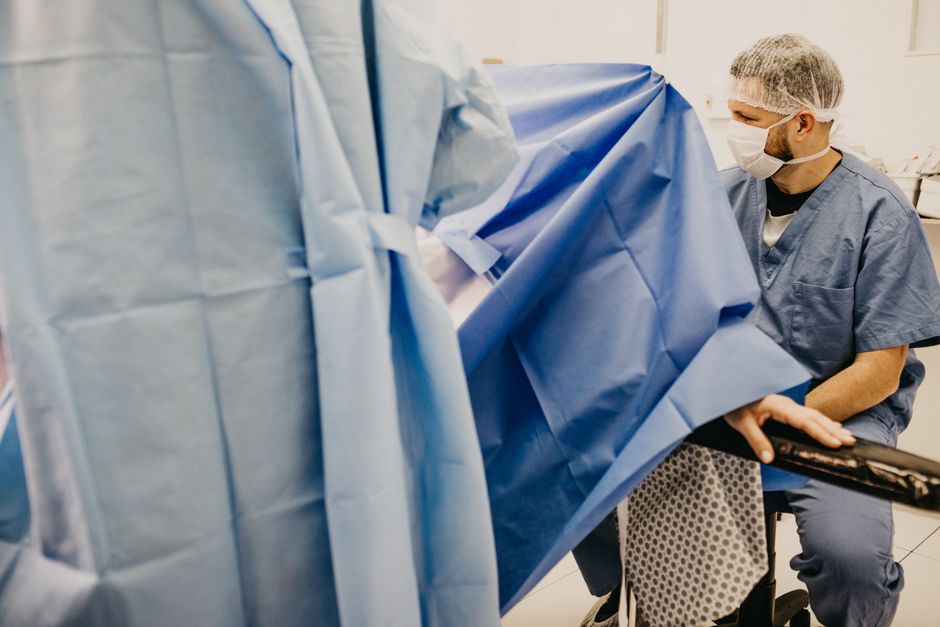
A vasectomy is a common, quick procedure, but the recovery is often misunderstood. Most men are back to light activity within a couple of days, but full healing and the return to sexual activity take longer. Expect some swelling and discomfort for the first 48 hours, with most soreness resolving within a week, though a dull ache can persist for a few weeks in some cases.
What To Expect For A Vasectomy Procedure Recovery: The First 48 Hours
The first two days are the most important for your recovery. You will likely feel some pain, swelling, and bruising in the scrotal area. This is normal and expected.
Plan to spend most of this time resting on the couch or in bed. You should avoid any strenuous activity, heavy lifting, or long walks. Applying an ice pack to the area for 15-20 minutes at a time, several times a day, helps reduce swelling. Use a cloth between the ice pack and your skin to prevent burns.
Wearing a supportive garment is not just a suggestion. A jockstrap or snug briefs provide support and reduce the pulling sensation on the incision site. This simple step often makes the most noticeable difference in comfort during the first week.
You can take over-the-counter pain relievers like acetaminophen or ibuprofen if needed. Follow the dosing instructions on the package. Avoid aspirin unless your doctor specifically tells you to take it, as it can increase bleeding risk.
What To Expect For A Vasectomy Procedure Recovery: The First Week
By day three or four, the sharp pain should start to fade. You will still have swelling and likely some bruising, which may look worse before it looks better. The bruising can extend into the surrounding skin and is not a cause for concern unless it becomes severe.
You can usually return to desk work and light daily activities after a few days. The key is to listen to your body. If an activity causes pain, stop and rest.
Most men can resume driving and light exercise like walking after a couple of days. However, you should avoid heavy lifting, running, cycling, or any activity that puts pressure on the area for at least one week. Many surgeons recommend waiting two weeks before returning to the gym.
Keep the incision site clean and dry. You can shower after 24 to 48 hours, but avoid scrubbing the area. Pat it dry gently. Do not soak in a bathtub, pool, or hot tub until the incision has closed and your doctor gives you the go-ahead.
When Can You Return To Work And Exercise?
The timeline for returning to work depends entirely on your job. If you work at a desk, you may be back in a day or two. If your job involves physical labor, you may need a full week or more off.
Do not rush the return to exercise. Starting too early can cause significant pain and may increase the risk of complications like a hematoma, which is a collection of blood in the tissue. This can set your recovery back by weeks.
A reasonable timeline for physical activity is:
- Walking: Immediately, as tolerated.
- Light exercise: After 7 days.
- Heavy lifting and intense workouts: After 2 weeks.
- Cycling or motorcycle riding: After 2 to 3 weeks.
These are general guidelines. Your doctor will give you specific instructions based on the technique used and your individual situation. When you do return to exercise, start at a lower intensity than normal and build up gradually.
When Can You Have Sex After A Vasectomy?
You should wait at least one week before having sex. Many surgeons recommend waiting two weeks to allow the incision to heal and the swelling to subside.
Even after you resume sexual activity, you may feel some discomfort or a pulling sensation. This is normal for the first few weeks. If you experience severe pain, stop and rest for a few more days.
It is critical to understand that a vasectomy does not provide immediate protection against pregnancy. You must continue to use another form of contraception until your doctor confirms you are sterile.
The Most Important Step: The Semen Analysis
This is the step many men forget or delay, but it is the most important part of the entire process. A vasectomy blocks the tubes that carry sperm, but it does not remove the sperm already stored in the system.
You will need to provide a semen sample for testing, usually around 8 to 16 weeks after the procedure. You must have ejaculated at least 15 to 20 times before the test to clear the remaining sperm.
You are not sterile until the lab test confirms there are no sperm in your sample. This is not a suggestion; it is a medical requirement for the procedure to be considered effective. Until you get the all-clear result, you must use backup contraception.
In some cases, a second test is needed if the first shows a few non-motile sperm. Follow your doctor’s instructions on this. The failure rate of a vasectomy is very low, but most failures happen because a man never returned for his follow-up test.
Common Side Effects And How Long They Last
Recovery is different for every man, but some side effects are common. Knowing what is normal helps you avoid unnecessary worry.
- Swelling: Peaks in the first 48 hours, then gradually decreases over 1 to 2 weeks.
- Bruising: Can look dramatic and may take 1 to 2 weeks to fade completely.
- Dull ache: A persistent low-level ache in the testicle or groin can last for several weeks.
- Discolored semen: A small amount of blood in the semen is possible for the first few ejaculations. This is harmless and resolves on its own.
Most men feel back to normal within two weeks. However, a small number of men experience chronic pain that lasts for months or longer. This condition, often called post-vasectomy pain syndrome, is not fully understood and affects a small percentage of men. If you have persistent pain, discuss it with your doctor.
Red Flags: When To Call Your Doctor
Most recoveries are uneventful, but complications can occur. Call your doctor if you experience any of the following:
- Fever over 100.4°F (38°C)
- Excessive bleeding or drainage from the incision
- Severe pain that does not improve with medication
- Swelling that gets significantly worse after the first few days
- Difficulty urinating
Infection is rare but possible. Signs include redness spreading from the incision, warmth, and pus. Do not wait to see if these symptoms go away on their own. Contact your healthcare provider promptly.
Does The Type Of Vasectomy Affect Recovery?
There are two main techniques for a vasectomy: the traditional incision method and the no-scalpel method. The no-scalpel method uses a small puncture instead of an incision, which generally leads to less bleeding, less pain, and a slightly faster recovery time.
However, the recovery experience is similar for both. The no-scalpel method is not painless, and the same precautions apply. Your surgeon will recommend the best technique for you based on your anatomy and their experience.
Another factor is whether the surgeon uses clips or sutures to close the tubes. Some techniques involve “open-ended” vasectomies, which may have a lower risk of congestion pain but a slightly higher risk of spontaneous recanalization, where the tubes reconnect. The evidence on which technique has the best long-term outcomes is still evolving.
Frequently Asked Questions
How long does it take to recover from a vasectomy?
Most men recover from the initial discomfort within 3 to 5 days and feel fully healed within 2 weeks. Some men experience a dull ache for several weeks afterward.
Can I walk normally after a vasectomy?
Yes, you can walk immediately, but you should take it slow and avoid long walks or brisk walking for the first 48 hours. Walking helps prevent blood clots and promotes circulation, but rest is the priority in the first two days.
When is it safe to lift heavy objects after a vasectomy?
You should avoid lifting anything over 10 to 15 pounds for at least one week. Heavy lifting increases pressure in the abdomen and can pull on the surgical site, causing pain and potentially leading to bleeding or a hematoma.
Is it normal to have a hard lump after a vasectomy?
A small, firm lump at the incision site can be normal and is often scar tissue or a small collection of blood (hematoma). It usually resolves on its own within a few weeks, but you should have your doctor check any new lump to rule out a sperm granuloma or other issue.
