
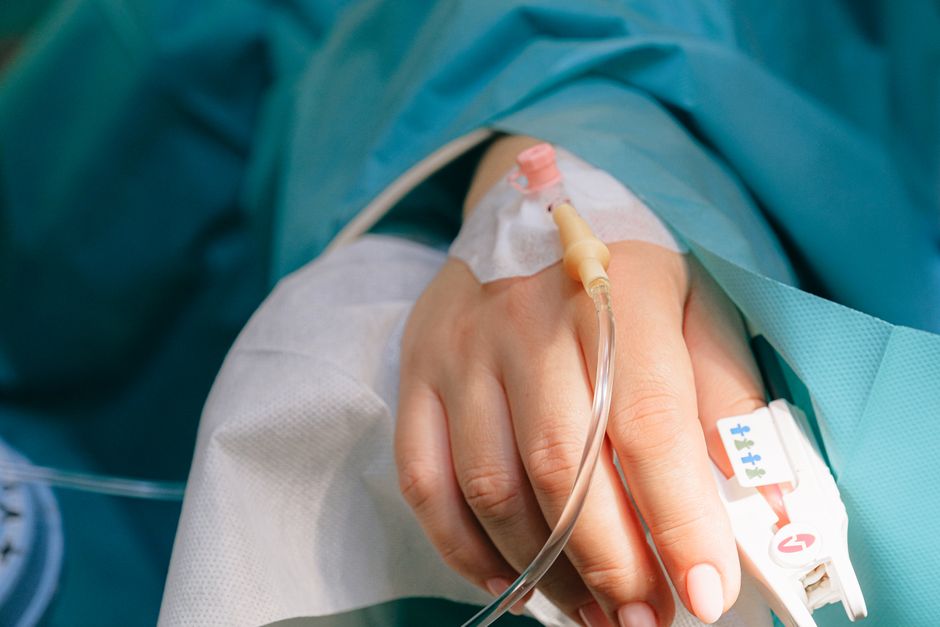
A radical orchiectomy is the surgical removal of one or both testicles, and it is the primary surgical treatment for testicular cancer. Recovery typically involves a few weeks of limited activity, pain management, and a gradual return to normal routines. Most men can return to desk work within two to four weeks, but heavy lifting and strenuous exercise usually need to wait four to six weeks.
What Exactly Happens During a Radical Orchiectomy?
During this procedure, a surgeon makes a small incision in the groin, not directly on the scrotum. This approach is deliberate. Removing the testicle through the groin helps prevent cancer cells from spreading through the lymphatic system in the scrotum.
The surgeon removes the entire testicle along with the spermatic cord. The cord contains blood vessels and the tube that carries sperm. Removing it completely is standard practice because it reduces the risk of leaving cancer behind.
The procedure takes about 30 to 60 minutes. Most patients go home the same day, though some stay overnight for observation. You will receive either general anesthesia, which puts you fully asleep, or regional anesthesia, which numbs the lower half of your body.
What Is a Radical Orchiectomy Procedure Recovery Timeline?
Recovery begins immediately after surgery. You will wake up in a recovery room with a dressing over the incision. Some men have a small drain tube, though many surgeons no longer use one for this procedure.
Here is what the first few weeks generally look like:
- Days 1 to 3: Rest is the priority. You will feel groggy from anesthesia. Ice packs applied to the scrotum for 15 to 20 minutes at a time can reduce swelling. Pain medication is usually needed.
- Days 4 to 7: Pain should start to ease. You can walk slowly around the house. Walking helps prevent blood clots, so short, gentle walks are encouraged.
- Week 2: Most men feel noticeably better. You may be able to drive again if you are not taking narcotic pain medication. Sitting for long periods can still cause discomfort.
- Weeks 3 to 4: Incision healing is well underway. Many men return to desk jobs during this window. You should still avoid lifting anything over ten pounds.
- Weeks 5 to 6: Most surgeons clear patients for full activity, including exercise and heavy lifting, after a follow-up appointment confirms proper healing.
This timeline reflects typical recovery. Individual results vary based on age, overall health, and whether you had any complications.
What Pain and Side Effects Are Normal After Surgery?
Some pain and discomfort are expected. The incision site will feel sore. You may also feel a dull ache that radiates into your lower abdomen or groin. This is normal and usually improves within the first week.
Swelling and bruising of the scrotum are common. The empty space where the testicle was removed may fill with fluid, causing temporary swelling. This is not a cause for alarm. The body reabsorbs this fluid over several weeks.
Numbness around the incision and down the inner thigh is also common. The surgery disrupts small sensory nerves in the area. Most men regain normal sensation within months, though some numbness can be permanent.
You may notice a low-grade fever of around 99 to 100 degrees Fahrenheit in the first 48 hours. This can be a normal inflammatory response. A fever above 101 degrees Fahrenheit, especially with chills, warrants a call to your surgeon.





When Should You Call Your Doctor?
Complications are uncommon, but they happen. Knowing the warning signs helps you act quickly.
Call your surgical team if you experience any of the following:
- Fever above 101 degrees Fahrenheit
- Heavy bleeding that soaks through the dressing
- Incision edges that separate or open
- Redness spreading from the incision site
- Thick, yellow, or foul-smelling drainage
- Inability to urinate or severe pain when urinating
- Severe pain that medication does not control
- Swelling in one leg that is noticeably larger than the other
Swelling in one leg, especially with pain or warmth, can signal a blood clot. This requires prompt medical attention. Do not wait to see if it resolves on its own.
What Are the Long-Term Effects of Losing One Testicle?
Most men adapt well physically and hormonally. One remaining healthy testicle produces enough testosterone and sperm for normal function. Fertility and libido usually remain unaffected when one testicle is removed.
Testosterone levels may dip temporarily after surgery but typically return to normal within weeks. If you experience persistent fatigue, low libido, or mood changes after recovery, ask your doctor to check your testosterone levels. Some men do need testosterone replacement therapy, though this is not the norm.
Fertility is a separate concern. Testicular cancer itself can affect sperm quality before surgery. Many men choose to bank sperm before the procedure if they plan to have children. This is a personal decision best made with your oncologist and a fertility specialist.
A prosthetic testicle is an option for men concerned about appearance. It is a silicone implant placed during the same surgery or at a later date. This is purely cosmetic and does not affect cancer outcomes.
How Does Recovery Fit Into the Broader Cancer Treatment Plan?
A radical orchiectomy is usually the first step, not the last. After the pathology report comes back, your care team determines whether you need additional treatment.
If the cancer was confined to the testicle, surgery alone may be curative. This is called surveillance. You would undergo regular blood tests, CT scans, and physical exams for several years to monitor for recurrence.
If the cancer has spread to lymph nodes or other organs, you may need chemotherapy or radiation. These treatments typically begin a few weeks after surgery once you have healed enough to tolerate them.
Recovery from surgery and recovery from cancer treatment are two different processes. The surgical recovery is relatively short. The full treatment journey may take several months. Understanding this distinction helps set realistic expectations.
What Can You Do to Speed Up Recovery?
There is no way to fast-forward wound healing, but you can avoid slowing it down.
Follow your surgeon’s instructions exactly. Take prescribed antibiotics if given. Keep the incision clean and dry. Do not soak in a bathtub, pool, or hot tub until your surgeon clears you, usually at the two-week mark.
Supportive underwear or a jockstrap can reduce discomfort. The extra support minimizes movement of the scrotum, which reduces pain during walking.
Constipation is a common side effect of pain medications. Drink plenty of water and eat high-fiber foods. Stool softeners are often recommended and can be taken safely while on narcotics.
Do not rush your return to exercise. Light walking is beneficial, but heavy lifting too early can cause a hernia or reopen the incision. Your body signals when it is ready. Listen to it.
What Emotional Changes Should You Expect?
Surgery on the testicles carries emotional weight beyond the physical recovery. It is normal to feel a sense of loss, anxiety about cancer, or concerns about body image and masculinity.
These feelings are valid. Many men benefit from talking to a counselor or joining a support group for testicular cancer survivors. Your oncology team can connect you with resources.
Partners and family members may also need support. Open communication about fears and expectations helps everyone process the experience. You do not need to manage these emotions alone.
Most men report that the emotional distress diminishes significantly once they receive good news about their pathology and treatment plan. Uncertainty is often harder to bear than the surgery itself.
Frequently Asked Questions
How long do I need to stay in the hospital after a radical orchiectomy?
Most men go home the same day or after one night in the hospital. Your surgeon will decide based on how you wake from anesthesia and your pain control.
When can I drive after a radical orchiectomy?
You can drive once you are off narcotic pain medication and can press the pedals without discomfort, typically after one week. Never drive while taking opioids.
Will I need a prosthesis after testicle removal?
A prosthesis is optional and entirely cosmetic. You can have one placed during the initial surgery or decide later. It does not affect cancer treatment or outcomes.
Can I still have children after losing one testicle?
Yes, most men remain fertile with one testicle. Sperm banking before surgery is an option if you have concerns about fertility after additional treatments like chemotherapy.
