
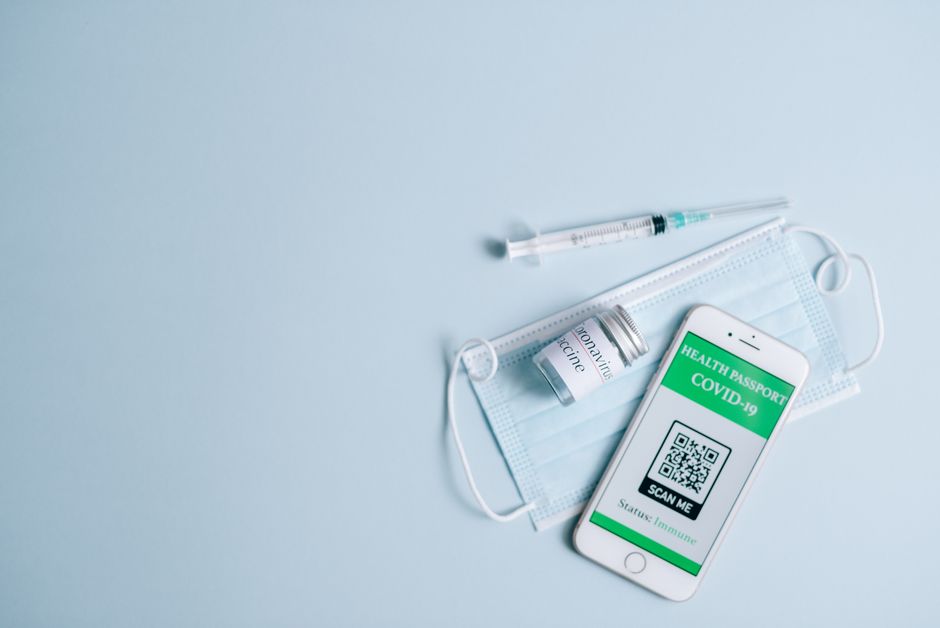
Nearly four years after the first shots went into arms, the Pfizer-BioNTech COVID-19 vaccine remains a central tool in preventing severe illness, hospitalization, and death. Its effectiveness today depends heavily on one factor: how recently you received a dose. The original two-dose series offers limited protection against current variants, but an updated booster dose restores strong protection against severe outcomes, especially for older adults and people with underlying health conditions.
How Effective Is Pfizers Covid Vaccine Today Against Severe Disease?
Protection against severe disease is the vaccine’s strongest remaining effect. Studies consistently show that a recent dose of the updated Pfizer vaccine reduces the risk of hospitalization and death from COVID-19 by a significant margin, particularly in the first few months after vaccination.
This protection is strongest against the current Omicron subvariants. The immune response generated by the vaccine targets parts of the virus that have not changed much over time, so even as new variants emerge, the vaccine continues to prevent the worst outcomes. The protection against severe disease remains high for several months before gradually declining.
For healthy adults under 65, the vaccine’s benefit is most visible in preventing hospitalization. For older adults and those with weakened immune systems, the vaccine provides an even more critical layer of defense, as these groups face the highest risk of severe illness from the virus itself.
How Well Does the Vaccine Prevent Infection Today?
Preventing any infection at all is a much higher bar, and the current vaccine does not reliably clear it. The virus has evolved to evade the antibodies that block the initial infection, so breakthrough infections are common, even among people who are fully vaccinated and boosted.
This does not mean the vaccine is failing. The immune system has two layers of defense. The first layer, antibodies, works to stop the virus from entering cells. The second layer, T-cells, works to destroy infected cells once the virus gets in. The current vaccine generates a strong T-cell response that limits how sick you get, even when the antibody layer is bypassed.
In practical terms, a vaccinated person can still catch COVID-19 and can still spread it to others. The vaccine’s main job today is to keep that infection from becoming a hospital stay or worse.
Does the Updated Booster Make a Real Difference?
Yes. The updated boosters, which were reformulated to target the Omicron subvariants, provide better protection than the original formula. The difference is most pronounced against infection and mild illness, but the boosters also extend the duration of protection against severe disease.
The Centers for Disease Control and Prevention recommends that everyone aged 6 months and older receive an updated vaccine. For most people, a single dose of the updated vaccine is sufficient, regardless of how many prior doses they received. People aged 65 and older or those with weakened immune systems may be eligible for an additional dose.
The timing matters. Protection from a booster peaks within the first few weeks and gradually wanes. Waiting too long between doses leaves a gap where protection is lower. For people at high risk, staying current with recommended doses is the most reliable way to maintain protection.


How Long Does Protection Last After a Booster?
Protection against severe disease remains strong for at least four to six months after a booster dose. Protection against infection wanes faster, often declining noticeably within a few months.
This waning is a normal feature of vaccines, not a flaw. The immune system’s memory cells persist long after antibody levels drop. When the virus enters the body, these memory cells mount a response that takes a few days to ramp up. For most people, that delayed response is enough to prevent serious illness.
The practical takeaway is that a booster received many months ago offers less protection than one received recently. If you are in a high-risk group or have not had a dose in over a year, you are likely due for another one.
Who Benefits Most From the Current Vaccine?
The vaccine’s benefit is not uniform across all people. The groups with the most to gain are:
- Adults aged 65 and older
- People with chronic conditions such as heart disease, diabetes, or lung disease
- People with weakened immune systems
- Pregnant women, who face higher risk of severe COVID-19
For healthy younger adults, the vaccine reduces the risk of hospitalization but offers limited protection against mild infection. The decision to get boosted in this group is more about protecting others and avoiding disrupted work or travel than about personal survival.
For older adults, the math is different. The risk of severe disease from COVID-19 rises sharply with age, and the vaccine’s protection against that outcome is substantial. Staying current on doses is one of the most effective steps an older adult can take to reduce their risk.
What About Side Effects and Safety?
The Pfizer vaccine has a well-documented safety profile based on hundreds of millions of doses administered worldwide. The most common side effects are injection site pain, fatigue, headache, and muscle aches, typically lasting one to two days.
Serious side effects are rare. Myocarditis, an inflammation of the heart muscle, has been linked to mRNA vaccines, most commonly in young males after the second dose. The condition is usually mild and resolves on its own, but it is a real risk that should be considered.
The risk of myocarditis from the vaccine is lower than the risk of myocarditis from COVID-19 infection itself. This is an important comparison that is often missed in discussions of vaccine safety. The infection causes heart complications at a higher rate than the vaccine does.
How Does the Vaccine Compare to Natural Immunity?
Natural immunity from a prior COVID-19 infection provides substantial protection against severe disease, but it is inconsistent. The level of protection depends on how severe the infection was, how long ago it occurred, and the person’s overall health.
Vaccination provides a more predictable and controlled immune response. It also carries no risk of severe illness, long COVID, or the other complications that can accompany an actual infection.
For people who have had COVID-19, getting vaccinated still adds protection. Studies show that hybrid immunity, which comes from both infection and vaccination, is stronger than either alone. The CDC recommends vaccination even for people who have been previously infected.
Frequently Asked Questions
Is the Pfizer vaccine still effective against new variants?
Yes, it remains effective at preventing severe disease, hospitalization, and death from current variants. Its ability to prevent mild infection is reduced, but the protection against serious outcomes holds up.
How often do I need a COVID booster shot?
The CDC recommends that everyone aged 6 months and older get an updated vaccine, with additional doses for adults 65 and older and people with weakened immune systems. Most healthy adults need one updated dose per year.
Can I still get COVID-19 after the Pfizer vaccine?
Yes, breakthrough infections are common because the vaccine’s protection against infection wanes and the virus has evolved. The vaccine significantly reduces the chance that a breakthrough infection will become severe.
Is it safe to get the Pfizer vaccine if I already had COVID-19?
Yes, vaccination after infection is safe and provides stronger protection than infection alone. Waiting at least a few weeks after recovery is generally recommended, but there is no strict waiting period required.
