
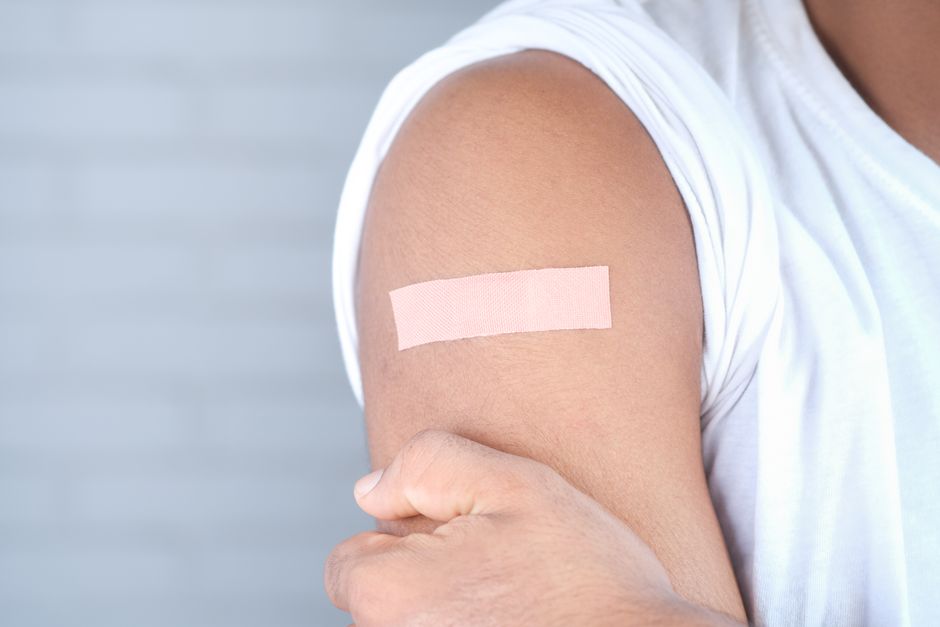
Pneumonia vaccines train your immune system to recognize and attack the bacteria that cause most serious pneumonia cases. They do not inject a live infection. Instead, they show your body a harmless piece of the germ so it can build defenses ahead of time. If you ever encounter the real bacteria later, those defenses are already waiting.
The protection is real, but it is specific. Pneumonia vaccines target Streptococcus pneumoniae, the bacterium responsible for the majority of community-acquired bacterial pneumonia in adults. They do not prevent pneumonia caused by viruses, fungi, or other bacteria. Understanding what they actually do inside your body helps you separate genuine protection from inflated claims.
What Does The Pneumonia Vaccine Do To Your Body?
It teaches your immune system to produce antibodies against specific sugars and proteins on the surface of Streptococcus pneumoniae bacteria. These antibodies circulate in your blood and are ready to mark the bacteria for destruction before it can establish an infection in your lungs.
The process starts when the vaccine is injected, usually into a muscle in your arm. Your immune cells recognize the vaccine components as foreign. They process these pieces and present them to other immune cells, which then produce targeted antibodies. This is the same basic immune response your body would mount against a real infection, but without the illness.
Two main types of pneumonia vaccine are used in the United States. One is a conjugate vaccine, which links bacterial sugars to a carrier protein to produce a stronger, longer-lasting immune response. The other is a polysaccharide vaccine, which uses purified bacterial sugars alone. Conjugate vaccines tend to produce a more durable response and are now the preferred option for most adults who need protection.
Your body does not become instantly protected. Antibody levels take a few weeks to rise after vaccination. The immune system also does not stay at peak readiness forever. Antibody levels naturally decline over time, which is why some people need additional doses later.
Which Bacteria Does The Pneumonia Vaccine Actually Target?
Pneumonia vaccines target Streptococcus pneumoniae, often called pneumococcus. This bacterium can cause pneumonia, meningitis, and bloodstream infections. It is the most common cause of bacterial pneumonia in adults.
Pneumococcus is not the only cause of pneumonia. Viruses like influenza, RSV, and SARS-CoV-2 can cause viral pneumonia. Other bacteria, including Mycoplasma pneumoniae and Legionella, can also cause the illness. The pneumonia vaccine does nothing against these organisms.
This distinction matters because people sometimes assume any pneumonia vaccine protects against all pneumonia. It does not. The vaccine is specific to pneumococcal disease. That said, pneumococcal pneumonia is a significant burden. Before widespread vaccination, pneumococcal disease caused substantial illness and death, particularly in older adults and people with certain chronic conditions.
Different vaccine formulations cover different numbers of pneumococcal serotypes. Serotypes are distinct strains of the bacterium, distinguished by the sugars on their surface. A vaccine that covers more serotypes offers broader protection, but no vaccine covers every known serotype.
Who Benefits Most From Pneumococcal Vaccination?
Older adults and people with certain medical conditions face the highest risk of severe pneumococcal disease. The immune system weakens with age, making it harder to fight off bacterial infections. Chronic conditions like heart disease, lung disease, diabetes, and kidney disease also increase risk.
People with weakened immune systems from conditions like HIV, cancer treatment, or organ transplantation are at elevated risk. So are people without a functioning spleen, since the spleen plays a key role in clearing encapsulated bacteria like pneumococcus from the bloodstream.
Smoking is another significant risk factor. Smoking damages the airways and impairs the immune cells that line the lungs, making pneumococcal infection more likely and more severe.
The Centers for Disease Control and Prevention publishes specific vaccination recommendations based on age and medical history. These recommendations have been updated in recent years as newer conjugate vaccines have become available. If you are unsure whether you need a pneumococcal vaccine, your doctor or pharmacist can check your eligibility based on current guidelines.
What Happens After You Get the Shot?
Most people experience only mild, short-lived side effects. Soreness at the injection site is the most common. Some people develop redness or swelling where the shot was given. Fatigue, headache, muscle aches, and low-grade fever can also occur.
These reactions are signs your immune system is responding. They typically resolve within a day or two. Serious allergic reactions to pneumonia vaccines are rare.
You cannot get pneumococcal pneumonia from the vaccine. The vaccine does not contain live bacteria. The components used are either killed, purified, or manufactured pieces of the bacterium’s surface. There is no infectious material that could cause disease.
Some people wonder whether they should avoid the vaccine if they are currently sick. Mild illness, like a common cold, is generally not a reason to delay vaccination. If you have a moderate or severe illness with a fever, it may be reasonable to wait until you recover. Your healthcare provider can advise you.
How Long Does Protection Last?
Protection from pneumococcal vaccination declines over time. Antibody levels fall gradually in the years after vaccination. This is why repeat doses are recommended for some people.
The exact duration of protection varies by vaccine type, the person’s age, and their underlying health. People who received a conjugate vaccine may need a different vaccine later, or an additional dose, depending on current recommendations.
Conjugate vaccines generally produce a stronger and longer-lasting immune memory than polysaccharide vaccines. This is one reason why conjugate vaccines have become the preferred choice for most adults.
No vaccine provides perfect, permanent protection. Even vaccinated people can develop pneumococcal pneumonia, though the risk is lower and the illness may be less severe. The vaccine reduces your chances of getting sick and reduces the likelihood of serious complications, but it does not eliminate risk entirely.
Does the Pneumonia Vaccine Prevent All Types of Pneumonia?
No. It prevents pneumonia caused by the pneumococcal serotypes included in the vaccine. It does not prevent viral pneumonia, fungal pneumonia, or pneumonia caused by other bacteria.
This is a common source of confusion. Someone who gets a pneumonia vaccine and later develops pneumonia may assume the vaccine failed. In reality, the pneumonia may have been caused by a virus or a different bacterium entirely.
There is no single vaccine that prevents all pneumonia. Influenza vaccination reduces the risk of flu-related pneumonia. RSV vaccination is now available for older adults and reduces the risk of RSV-related lower respiratory tract disease. COVID-19 vaccination reduces the risk of severe COVID-19 pneumonia. Each vaccine targets a specific pathogen.
Some evidence suggests that preventing viral respiratory infections may indirectly reduce the risk of secondary bacterial pneumonia, since viral infections can damage the airways and make bacterial invasion more likely. This is one reason why staying current on all recommended vaccines matters.
What the Pneumonia Vaccine Does Not Do
It does not treat an active infection. If you already have pneumococcal pneumonia, the vaccine will not help you recover. Treatment requires antibiotics and supportive care.
It does not provide immediate protection. Your immune system needs time to respond after vaccination. If you are exposed to pneumococcus shortly after getting the shot, you may not be fully protected yet.
It does not replace other preventive measures. Good hand hygiene, not smoking, and managing chronic conditions all play a role in reducing pneumonia risk. Vaccination is one layer of protection, not the only one.
It does not guarantee you will never get pneumococcal pneumonia. No vaccine is 100 percent effective. But vaccination substantially reduces the risk of invasive pneumococcal disease, which includes bloodstream infections and meningitis, and it reduces the risk of hospitalization from pneumococcal pneumonia.
How Do You Know If You Need a Pneumococcal Vaccine?
Age and health history determine whether vaccination is recommended. In the United States, pneumococcal vaccination is routinely recommended for adults 65 and older and for adults 19 to 64 with certain risk conditions. Children also receive pneumococcal vaccination as part of the routine childhood immunization schedule.
Risk conditions that may qualify adults under 65 include chronic heart, lung, liver, or kidney disease, diabetes, alcoholism, cigarette smoking, and conditions or medications that weaken the immune system. Cochlear implants and cerebrospinal fluid leaks are also indications.
If you are unsure whether you qualify, ask your doctor or pharmacist. They can review your medical history against current recommendations. Pneumococcal vaccine recommendations have changed in recent years, so guidance you received a few years ago may no longer apply.
Frequently Asked Questions
Can the pneumonia vaccine give you pneumonia?
No. The vaccine does not contain live bacteria, so it cannot cause pneumococcal pneumonia. Some people develop mild side effects like soreness or fatigue, but these are immune responses, not infection.
How long does it take for the pneumonia vaccine to work?
Your immune system typically takes a few weeks to build a full antibody response after vaccination. Protection is not immediate, so exposure shortly after the shot may still carry risk.
Do you need a pneumonia vaccine every year?
No. Pneumococcal vaccination is not annual. Repeat doses may be recommended at specific intervals based on your age, health conditions, and which vaccine you received previously.
Does the pneumonia vaccine protect against COVID-19 pneumonia?
No. The pneumococcal vaccine targets Streptococcus pneumoniae bacteria and provides no protection against SARS-CoV-2 or other viruses. COVID-19 vaccination is separate.
