

The HPV vaccine is given as a shot into the muscle of the upper arm or, in some cases, the upper thigh. Most people receive it in a series of two or three doses depending on their age when they start the series. The appointment itself takes only a few minutes, and there is no blood draw, no fasting, and no special preparation needed beforehand.
If you or your child are scheduled for the HPV vaccine, here is what the visit actually involves, what side effects are normal, and what the evidence says about how well it works.
How Is the HPV Vaccine Administered?
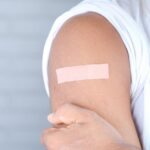
The HPV vaccine is given as an intramuscular injection — meaning it goes into the muscle, not under the skin or into a vein. It is typically injected into the deltoid muscle of the upper arm. For younger children, the upper thigh may be used instead.
The injection contains virus-like particles. These are proteins that mimic the outer shell of the human papillomavirus but contain no viral DNA. That means the vaccine cannot cause HPV infection or cancer. The immune system recognizes these particles as foreign and builds antibodies against them.
The shot itself takes a few seconds. The whole appointment — including check-in, any questions, the injection, and the recommended waiting period afterward — usually takes about 15 to 20 minutes.
There is no need to fast before the vaccine. You can eat and drink normally. If you take medications, there is generally no need to stop them. As with any vaccine, it is worth telling the clinician about any severe allergies, current illness with fever, or history of reactions to previous vaccines.
How Many Doses Are Needed and What Is the Schedule?
The number of doses depends on age at the time of the first dose. Current guidance from the Centers for Disease Control and Prevention recommends two doses for most people who start the series before their 15th birthday, and three doses for those who start at age 15 or older, or for people with certain immunocompromising conditions.
For the two-dose schedule, the second dose is given 6 to 12 months after the first. For the three-dose schedule, the second dose is given 1 to 2 months after the first, and the third dose is given 6 months after the first.
The vaccine is approved by the U.S. Food and Drug Administration for use starting at age 9. Routine vaccination is recommended at ages 11 to 12, though it can be given as early as age 9. The vaccine is also approved for adults up to age 45, though the benefits tend to be greater when the series is completed before any potential exposure to HPV.
If a dose is missed or delayed, the series does not need to be restarted. The next dose is simply given when possible. This is true even if the gap is long.
What Should You Expect After the Shot?
The most common side effects are mild and local. They include soreness, redness, or swelling at the injection site. These typically appear within a few hours and resolve within a day or two.
Some people experience a low-grade fever, headache, fatigue, or nausea. These are generally mild and short-lived. Dizziness or fainting can occur after any injection, especially in adolescents. That is why clinicians typically ask patients to sit or lie down for about 15 minutes after the shot.
Serious allergic reactions are rare. Signs include difficulty breathing, hives, swelling of the face or throat, and a rapid heartbeat. These require immediate medical attention. The vaccine is administered in settings equipped to handle such reactions.
There is no evidence that the HPV vaccine causes infertility. This claim has circulated widely online, but multiple large studies have found no link between HPV vaccination and fertility problems in either women or men. The evidence on this point is consistent.




How Effective Is the HPV Vaccine?
The HPV vaccine is highly effective at preventing infections from the HPV types it targets. The current vaccine in the United States, Gardasil 9, protects against nine types of HPV. These include the types responsible for most cervical cancers, as well as the types that cause most genital warts.
Research published in the Journal of Infectious Diseases and other peer-reviewed journals has shown that HPV infections and precancerous cervical lesions have dropped substantially among vaccinated populations since the vaccine was introduced. Studies from several countries with high vaccination rates have reported sharp declines in genital warts and cervical pre-cancer among young women.
The vaccine prevents new infections. It does not treat existing HPV infections or clear the virus from someone already infected. This is why vaccination is recommended before potential exposure — ideally in early adolescence, before sexual activity begins.
It is also important to note that the vaccine does not protect against all cancer-causing HPV types. Regular cervical cancer screening remains important for vaccinated women, because the vaccine does not cover every high-risk type.
Who Should Get the HPV Vaccine and Who Should Not?
The HPV vaccine is recommended for all children and adolescents starting at age 11 or 12, and it can be given as early as age 9. It is also recommended for anyone through age 26 who was not vaccinated earlier. For adults aged 27 to 45, the decision is made in discussion with a clinician, as the benefits are generally smaller in this age group.
People who should not get the vaccine include anyone with a severe allergy to yeast or to a previous dose of the HPV vaccine, and anyone who is currently pregnant. If a woman discovers she is pregnant after starting the series, the remaining doses are delayed until after pregnancy. The vaccine is not currently recommended during pregnancy, though no safety concerns have been identified in studies of inadvertent vaccination during pregnancy.
People with certain immunocompromising conditions may need the three-dose schedule regardless of age. This includes some people living with HIV, those who have received organ transplants, and those taking certain immunosuppressive medications.
Does the HPV Vaccine Have Long-Term Side Effects?
Large surveillance systems in the United States and other countries have monitored HPV vaccine safety for well over a decade. The evidence to date has not shown a causal link between the vaccine and any chronic illness, autoimmune disease, or neurological condition.
Reports of chronic fatigue, complex regional pain syndrome, and postural orthostatic tachycardia syndrome after HPV vaccination have been investigated. Health agencies in multiple countries have reviewed these reports and have not found evidence that the vaccine causes these conditions. This does not mean that people who report symptoms are not experiencing them — it means the available evidence has not established the vaccine as the cause.
Fainting after any injection, including the HPV vaccine, is a known occurrence. It is more common in adolescents. This is why a 15-minute observation period is recommended after vaccination.
As with any medical product, ongoing monitoring continues. If new safety signals emerge, they are evaluated by regulatory agencies. The current evidence supports a favorable safety profile for the HPV vaccine.
What Happens at the Appointment?
The visit is straightforward. A clinician will review health history and ask about any allergies or previous reactions to vaccines. They will explain the vaccine and answer questions. Then the injection is given, usually in the upper arm.
After the shot, you or your child will be asked to wait about 15 minutes before leaving. This is to monitor for fainting or rare allergic reactions. After that, normal activity can resume. There is no need to avoid physical activity, though a sore arm may make some movements uncomfortable for a day or two.
Over-the-counter pain relievers can be used if needed for arm soreness. Applying a cool, damp cloth to the injection site may also help. Fever, if it occurs, is usually mild and resolves on its own.
The second or third dose is scheduled at the appropriate interval. If you are unsure when the next dose is due, the clinician or pharmacy can check the record and advise.
Frequently Asked Questions
How is the HPV vaccine given?
The HPV vaccine is given as an intramuscular injection, usually into the upper arm. For younger children, the upper thigh may be used.
How many doses of the HPV vaccine do you need?
Most people who start the series before age 15 need two doses. Those who start at age 15 or older, or who have certain immunocompromising conditions, need three doses.
What are the common side effects of the HPV vaccine?
The most common side effects are soreness, redness, or swelling at the injection site, and sometimes a mild fever or headache. These usually resolve within a day or two.
Can you get the HPV vaccine if you are pregnant?
The HPV vaccine is not recommended during pregnancy, and remaining doses are typically delayed until after pregnancy. No safety concerns have been identified from inadvertent vaccination during pregnancy.
