

Most home pregnancy tests can detect pregnancy as early as the first day of your missed period, which is typically about 14 days after ovulation. Some sensitive tests claim to work up to 6 days before your missed period, but the results are less reliable that early. The most accurate way to know is to wait until after your period is late, or to have a blood test done at a doctor’s office.
What Happens in Your Body Before a Test Turns Positive
Understanding the timeline helps explain why testing too early gives false negatives. After a fertilized egg implants in the uterus, your body begins producing a hormone called human chorionic gonadotropin, or hCG. This is the hormone that pregnancy tests detect.
Implantation usually happens 6 to 10 days after ovulation. Once implantation occurs, hCG levels double roughly every 48 to 72 hours in early pregnancy. The hormone starts at very low levels and rises quickly, but it takes time to reach a point where a test can pick it up.
This is why the timing of your test matters more than the brand you choose. If you test too early, your hCG level may simply be too low for the test to detect, even though you are pregnant.
How Early Can You Know If You Are Pregnant with a Home Test
Home pregnancy tests work by detecting hCG in your urine. The amount of hCG needed for a positive result varies by brand. Most traditional tests require about 25 mIU/mL of hCG. More sensitive tests can detect levels as low as 10 mIU/mL.
At 14 days past ovulation, which is the day your period is due, most pregnant women have hCG levels well above 25 mIU/mL. Testing on this day gives the most reliable result. Testing earlier than that risks getting a negative result even if you are pregnant.
Some tests advertise “early detection” and claim to work 6 days before your missed period. At that point, only about half of pregnant women will have enough hCG in their urine to trigger a positive result. The earlier you test, the higher your chance of a false negative.
When a Blood Test Can Detect Pregnancy
Blood tests done at a doctor’s office can detect pregnancy earlier than urine tests. A qualitative blood test simply gives a yes or no answer and can detect hCG about 10 to 11 days after ovulation. A quantitative blood test measures the exact amount of hCG and can detect it even earlier, sometimes as soon as 8 to 10 days after ovulation.
Blood tests are rarely needed just to confirm pregnancy. Most doctors recommend them when there are concerns about the pregnancy, such as bleeding, a history of miscarriage, or when monitoring early hCG levels is medically necessary.
For most people, a home urine test after a missed period is sufficient. Blood tests offer earlier detection but do not change what you should do next. If you get a positive home test, you should contact your doctor regardless of how early you tested.




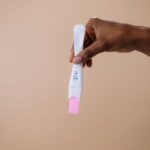
Why Testing Early Gives False Negatives
A false negative means the test says you are not pregnant when you actually are. This is the most common mistake in early pregnancy testing. It happens because your hCG levels have not risen enough to be detected in urine.
Urine concentration also matters. Testing first thing in the morning, when your urine is most concentrated, gives the best chance of detecting low hCG levels. Testing later in the day after drinking fluids may dilute your urine and lower the hCG concentration below the test’s detection limit.
Another factor is the timing of ovulation itself. Many women do not ovulate exactly 14 days before their period. If you ovulated later than you think, your hCG levels will be lower than expected for that calendar date. This is why a negative test before your missed period does not rule out pregnancy.
What to Do If You Get a Negative Test but Your Period Is Late
A negative test with a late period is frustrating and confusing. The most common cause is simply testing too early. If your period is one or more days late and your test is negative, wait 3 to 5 days and test again. Your hCG levels will have doubled several times in that window.
If your period is more than a week late and tests remain negative, there are other possible explanations. Irregular ovulation, stress, changes in weight, thyroid conditions, and certain medications can all delay a period. Some women also have naturally irregular cycles.
If your period does not come and you continue to get negative tests, see a doctor. They can perform a blood test and determine what is happening. Persistent negative tests with a late period are not normal and deserve medical attention.
How Soon Can You Take a Pregnancy Test After a Missed Period
Testing on the first day of your missed period gives the most balanced combination of accuracy and early detection. At this point, most home tests are over 99% accurate when used correctly. This accuracy holds for both positive and negative results.
If you want to be even more certain, wait one week after your missed period. By then, hCG levels are high enough that virtually any home test will detect the pregnancy. The downside is waiting longer for an answer.
There is no medical reason to test before your missed period unless you are tracking for medical purposes. Testing early only increases your odds of a false negative and the anxiety that comes with it.
Signs of Pregnancy Before a Positive Test
Some women notice symptoms before their missed period. Breast tenderness, fatigue, nausea, and frequent urination are common early signs. These symptoms are caused by rising progesterone and hCG levels.
However, these symptoms are not reliable indicators. They can also be caused by the normal hormonal changes of the menstrual cycle. Many women experience premenstrual symptoms that feel identical to early pregnancy signs.
The only reliable way to confirm pregnancy is a positive test. Symptoms alone cannot tell you whether you are pregnant. If you have symptoms and a negative test, wait a few days and test again.
How Accurate Are Early Detection Tests Really
Early detection tests are more sensitive than standard tests, meaning they can detect lower levels of hCG. This makes them capable of detecting pregnancy a few days earlier. But “capable” does not mean “reliable” at that early stage.
Even the most sensitive tests will miss a significant number of pregnancies when used before the missed period. The hCG level at that point is simply too variable between women. Some women have high levels early, while others start much lower.
If you choose to use an early detection test, understand that a negative result before your missed period does not mean you are not pregnant. Test again after your missed period for a definitive answer.
Pregnancy Tests and Medications: What Affects Results
Most medications do not affect pregnancy test results. Antibiotics, pain relievers, and birth control pills do not interfere with hCG detection. Only medications that contain hCG, which are used in some fertility treatments, can cause a false positive.
Alcohol and caffeine do not affect test results either. They may affect your overall health, but they do not change the hCG levels in your urine or the test’s ability to detect the hormone.
One thing that does matter is following the test instructions exactly. Leaving the test in urine too long, reading it after the recommended time window, or using a test that has expired can all produce inaccurate results.
What to Do After a Positive Test
A positive home pregnancy test is highly accurate. If you get a positive result, even on an early detection test, you should consider yourself pregnant until told otherwise by a doctor.
Contact your healthcare provider to schedule an appointment. They will confirm the pregnancy with a blood test or another urine test and discuss your next steps. Prenatal care should begin as early as possible in the pregnancy.
Start taking a prenatal vitamin with folic acid if you have not already. Folic acid helps prevent neural tube defects in early fetal development. Many doctors recommend starting it before conception, but beginning at a positive test is still valuable.
Frequently Asked Questions
How many days after ovulation can a pregnancy test be positive?
A blood test can be positive as early as 8 to 10 days after ovulation. A home urine test is most reliable at 14 days after ovulation, which is the first day of your missed period.
Can a pregnancy test be positive 5 days before a missed period?
Some sensitive tests can detect pregnancy 5 to 6 days before a missed period, but only about half of pregnant women will get a positive result that early. A negative result at that point does not rule out pregnancy.
How soon will a pregnancy test show positive after implantation?
Implantation happens 6 to 10 days after ovulation, and hCG begins rising immediately after. It usually takes 2 to 3 days after implantation for hCG levels to reach a point where a sensitive home test can detect it.
Is it better to test in the morning or at night for pregnancy?
Testing in the morning is best because your urine is most concentrated after sleeping. This gives the highest chance of detecting low hCG levels, especially when testing before your missed period.
