
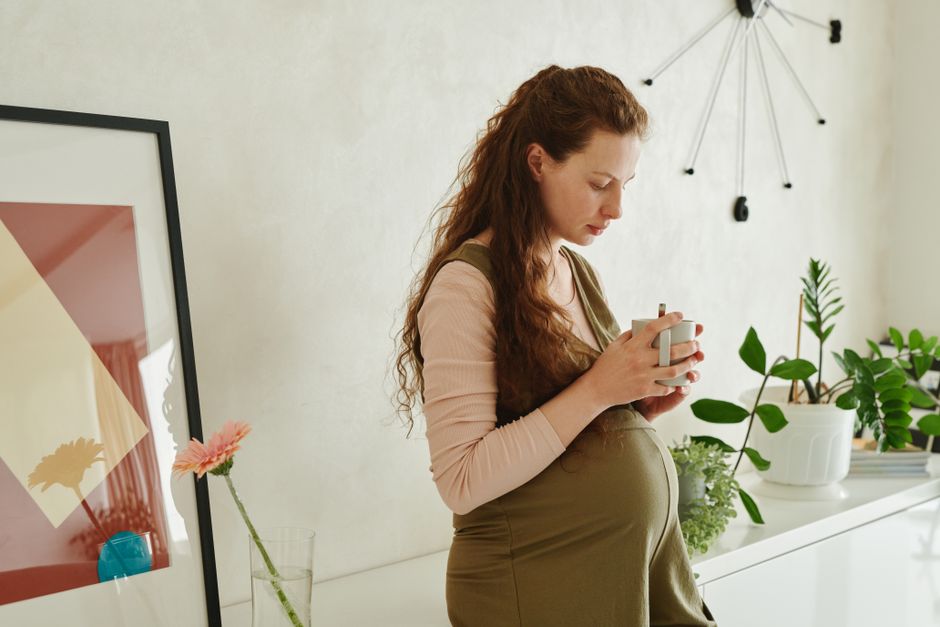
Pregnancy changes how your body processes caffeine, and that matters more than most people realize. When you are pregnant, caffeine stays in your system much longer than usual, and it crosses the placenta into your baby’s bloodstream. The developing baby cannot metabolize caffeine the way an adult can, which means the stimulant lingers in their small body for days rather than hours. This is the root reason why medical guidance consistently advises pregnant women to limit caffeine intake.
Why Is Caffeine Bad While Pregnant? Root Causes
Caffeine is not directly toxic to a developing baby at typical consumption levels. The problem is more subtle. Caffeine narrows the blood vessels in the uterus and placenta, which can reduce the oxygen and nutrients that reach the baby. It also increases your heart rate and blood pressure, and it can interfere with your sleep and nutrition.
The most serious concern is the link between high caffeine intake and miscarriage. Research consistently shows that consuming more than 200 milligrams of caffeine per day during pregnancy is associated with a higher risk of miscarriage. Some studies suggest the risk increases even at lower amounts. The exact threshold where risk begins is not firmly established, but the 200 milligram limit is the most widely accepted guideline.
How Much Caffeine Is Safe During Pregnancy?
Most major health organizations recommend that pregnant women limit caffeine to under 200 milligrams per day. That is roughly one 12-ounce cup of coffee. The American College of Obstetricians and Gynecologists and the World Health Organization both support this general limit, though specific recommendations have varied slightly over the years.
To put that in perspective:
- One 8-ounce cup of brewed coffee: about 95 milligrams
- One 12-ounce latte: about 120 milligrams
- One 12-ounce soda: about 30-40 milligrams
- One 8-ounce cup of black tea: about 47 milligrams
- One 8-ounce cup of green tea: about 28 milligrams
- One shot of espresso: about 64 milligrams
These are averages. Actual caffeine content varies widely by brand, brewing method, and serving size. A large coffee from a cafe can easily exceed 200 milligrams on its own.
What Happens to Caffeine in a Pregnant Body?
The liver breaks down caffeine using an enzyme called CYP1A2. During pregnancy, especially in the second and third trimesters, the activity of this enzyme slows down dramatically. Caffeine half-life — the time it takes for your body to eliminate half of the caffeine — can increase from about 4 hours to as long as 10 to 15 hours in late pregnancy.
This means the same cup of coffee that used to wear off by lunchtime may still be circulating in your blood into the evening. The caffeine also passes freely through the placenta into the amniotic fluid and the baby’s bloodstream. The baby’s liver produces very little of the enzyme needed to break caffeine down, so the stimulant accumulates.
The result is that a moderate intake for you is a much larger relative dose for your baby. This is why even amounts that feel mild to you can have measurable effects on fetal heart rate and movement patterns.





Does Caffeine Cause Miscarriage or Preterm Birth?
The relationship between caffeine and miscarriage is the most studied and the most concerning. Multiple large studies have found a dose-dependent association — meaning the more caffeine consumed, the higher the risk. The evidence is strongest for intakes above 200 milligrams per day.
One widely cited study from 2008 found that pregnant women who consumed 200 or more milligrams of caffeine per day had roughly twice the risk of miscarriage compared to women who consumed none. Other studies have reported similar findings, though exact risk estimates vary. No study has proven that caffeine directly causes miscarriage, but the consistent association across multiple well-designed studies is enough for medical organizations to recommend caution.
The evidence on preterm birth is less clear. Some studies have found a link between high caffeine intake and preterm delivery, while others have not. The evidence on low birth weight is similarly mixed. The strongest and most consistent finding remains the miscarriage association.
Can Caffeine Affect Your Baby’s Development?
Some research has examined whether caffeine exposure in the womb affects long-term neurodevelopment. The results are reassuring but not definitive. A large Norwegian study tracking thousands of mother-child pairs found no association between moderate caffeine intake during pregnancy and behavioral problems or cognitive delays in children up to age 8.
However, the same study did find that very high caffeine intake — above 300 milligrams per day — was associated with slightly higher odds of certain behavioral issues. The absolute risk was small, and the study could not prove causation. Other research has produced conflicting results, with some studies suggesting subtle effects on childhood growth and others finding none.
What this means in practice: occasional caffeine within the 200 milligram limit appears unlikely to harm your baby’s development. Consistently exceeding that limit carries real but modest uncertainty about long-term effects.
Are There Hidden Sources of Caffeine?
Many pregnant women carefully limit coffee but unknowingly consume caffeine from other sources. Energy drinks are an obvious one — a single 16-ounce energy drink can contain 200 milligrams or more. But there are less obvious sources:
- Chocolate: a dark chocolate bar can contain 50-80 milligrams
- Some over-the-counter pain relievers: certain headache medications contain caffeine
- Decaf coffee: still contains about 2-15 milligrams per cup
- Some flavored waters and sports drinks
- Certain teas, including some herbal blends
Reading labels matters. In the United States, the FDA requires caffeine to be listed as an ingredient when it is added to a product, but the amount does not have to be disclosed. Products that naturally contain caffeine — like coffee, tea, and chocolate — do not require any label disclosure at all.
Does Caffeine Withdrawal Affect Pregnancy?
If you decide to cut back on caffeine, do it gradually. Sudden complete withdrawal can trigger headaches, fatigue, and irritability. These symptoms are uncomfortable but not dangerous to you or your baby.
To reduce gradually, try mixing regular coffee with decaf, or reducing your intake by half a cup every few days. This approach minimizes withdrawal symptoms while steadily lowering your daily caffeine load.
If you were consuming very high amounts before pregnancy — 500 milligrams or more per day — consider talking to your healthcare provider about the best way to reduce. Some women find that switching to tea or other lower-caffeine beverages makes the transition easier.
What If You Already Had Caffeine Before Knowing You Were Pregnant?
This is a common worry, and the honest answer is that a few cups of coffee in early pregnancy are unlikely to cause harm. The risk associated with caffeine appears to be cumulative and dose-dependent. A single day of higher intake does not erase the benefit of keeping your overall consumption low.
What matters is your average intake over the course of your pregnancy, not one isolated day. If you have been drinking moderate amounts of coffee and just learned you are pregnant, the best approach is to reduce your intake now to under 200 milligrams per day. There is no evidence that a brief period of higher consumption before you knew requires any special intervention beyond cutting back going forward.
Are There Any Benefits to Cutting Out Caffeine Completely?
Eliminating caffeine entirely is not medically necessary if you stay under 200 milligrams per day. But some women choose to avoid it altogether for other reasons. Caffeine can worsen pregnancy-related heartburn, insomnia, and anxiety. It can also interfere with iron absorption when consumed with meals, and iron deficiency is already common in pregnancy.
If you are struggling with sleep during pregnancy — which most women do — cutting caffeine entirely may help. Caffeine has a half-life that extends significantly during pregnancy, so an afternoon cup can still be affecting you at bedtime.
The choice to eliminate caffeine completely is personal. The medical evidence supports limiting it, not necessarily eliminating it. Either approach is reasonable as long as your daily intake stays within the recommended range.
Frequently Asked Questions
Is 200 milligrams of caffeine safe during pregnancy?
Yes, most major health organizations consider up to 200 milligrams per day to be acceptable during pregnancy. That limit is based on studies showing that higher intakes are associated with increased miscarriage risk.
Can caffeine cause a miscarriage in the first trimester?
High caffeine intake is associated with a higher risk of miscarriage, and the first trimester is when most miscarriages occur. The risk appears to increase with daily intake above 200 milligrams, though no study has proven caffeine directly causes pregnancy loss.
Does decaf coffee count toward caffeine limits?
Decaf coffee contains small amounts of caffeine, usually 2 to 15 milligrams per cup. This is negligible and does not meaningfully count toward your daily limit.
How long does caffeine stay in your system while pregnant?
In late pregnancy, caffeine can stay in your system for 10 to 15 hours, compared to about 4 hours when you are not pregnant. This is because pregnancy slows the liver enzyme that breaks down caffeine.
