
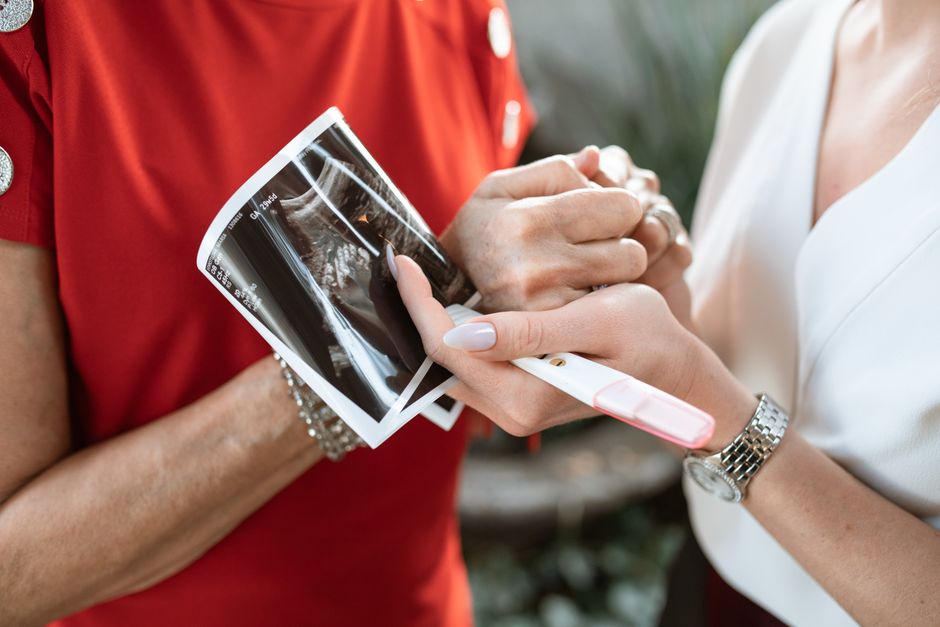
No, you cannot get pregnant only on the exact day you ovulate, but you can only get pregnant during your fertile window, which is the five days before ovulation and the day of ovulation itself. This window exists because sperm can survive inside the female reproductive tract for up to five days, while the egg only lives for about 12 to 24 hours after release. In short, you need to have sex in the days leading up to or on the day of ovulation to become pregnant.
How Long Can Sperm Survive Inside the Body?
Many people assume the egg is the limiting factor in conception, but sperm survival is just as important. Sperm can live for up to five days inside the female reproductive tract under the right conditions. The cervical mucus becomes thinner and more slippery in the days before ovulation, which helps sperm travel and survive longer.
This is why having sex a few days before ovulation can still result in pregnancy. If you have sex on a Monday and ovulate on a Friday, the sperm are still waiting when the egg is released. The five-day survival window is the reason fertility doctors talk about a “fertile window” rather than a single day.
Some research suggests sperm survival might extend slightly beyond five days in rare cases, but five days is the standard clinical understanding. Planning around this window gives you the best chance of conception.
How Long Does the Egg Stay Fertilizable?
Once the ovary releases an egg, it travels into the fallopian tube. The egg remains fertilizable for about 12 to 24 hours. If sperm does not reach it within that time, the egg breaks down and is absorbed by the body.
This short lifespan means timing matters, but not in the way many people think. The egg does not wait long, but the sperm do the waiting. The combination of a five-day sperm survival and a one-day egg life creates a six-day fertile window each cycle.
If you only have sex on the day of ovulation, you still have a chance, but you are relying on sperm reaching the egg quickly. Having sex in the two to three days before ovulation gives sperm a head start and generally produces higher conception rates.
Can You Get Pregnant Any Other Time in Your Cycle?
No. Outside the fertile window, pregnancy is not possible because there is no egg available to fertilize. The days after ovulation and before your next period are completely infertile. The egg is gone, and no new egg will be released until the next cycle.
The days right after your period ends are also generally low-risk, but not zero-risk. This is because sperm can survive for five days. If you have sex soon after your period and ovulate earlier than average that month, sperm could still be alive when the egg is released.
Cycle lengths vary. A woman with a shorter cycle may ovulate earlier than day 14, which is the average for a 28-day cycle. This is why calendar-based methods of avoiding pregnancy have a high failure rate. The fertile window shifts based on when you actually ovulate, not on a calendar prediction.





How Do I Know When I Am Ovulating?
Several methods can help you identify your fertile window. No single method is perfect, and combining methods improves accuracy.
- Basal body temperature: Your temperature rises slightly after ovulation due to progesterone. This confirms ovulation happened, but it does not predict it in advance.
- Cervical mucus: Mucus becomes clear, stretchy, and slippery around ovulation, similar to raw egg whites. This signals the fertile window is approaching.
- Ovulation predictor kits: These test urine for the luteinizing hormone surge that happens 24 to 36 hours before ovulation. This is one of the most reliable home methods.
- Calendar tracking: Apps and calendars estimate based on past cycles, but ovulation can vary from month to month even in regular cycles.
Fertility tracking apps are popular, but they rely on algorithms and past data. They cannot detect ovulation in real time. For women trying to conceive, ovulation predictor kits and cervical mucus tracking are generally more reliable than calendar apps alone.
What If My Cycle Is Irregular?
Irregular cycles make predicting ovulation harder. If your cycle length changes from month to month, the fertile window shifts too. Ovulation may happen earlier or later than expected, which makes the calendar method unreliable.
For women with irregular cycles, ovulation predictor kits are still useful, but you may need to test for more days each cycle. Basal body temperature tracking can also confirm that ovulation occurred, even if you cannot predict it in advance.
Some medical conditions cause irregular ovulation. Polycystic ovary syndrome, thyroid disorders, and high stress levels can all affect ovulation timing. If your cycles are consistently longer than 35 days or shorter than 21 days, or if you have gone months without a period, talk to a healthcare provider.
Does Having Sex Before the Fertile Window Help?
Having sex outside the fertile window will not result in pregnancy. If you have sex more than five days before ovulation, sperm will not survive long enough to meet the egg. If you have sex after ovulation, the egg is already gone.
Some couples choose to have sex every two to three days throughout the cycle rather than timing intercourse. This approach ensures sperm are present whenever ovulation happens, without the stress of daily tracking. Research shows this method produces pregnancy rates similar to timed intercourse for couples without known fertility issues.
Daily sex during the fertile window does not improve pregnancy rates compared to every-other-day sex. Sperm quality remains adequate with daily ejaculation, but every-other-day timing is sufficient and less stressful for many couples.
Can You Only Get Pregnant When You Ovulate? Guide to Common Myths
Several myths about ovulation and pregnancy persist despite clear evidence against them.
Myth: You can get pregnant any day of the month. This is false. Pregnancy requires a fertilizable egg, which exists only during the fertile window. The rest of the cycle is infertile.
Myth: You cannot get pregnant during your period. This is mostly true but not guaranteed. Sperm can survive five days. If you have a short cycle and ovulate soon after your period ends, sperm from period sex could still be alive at ovulation.
Myth: Ovulation always happens on day 14. Day 14 is the average for a 28-day cycle, but normal ovulation can occur anywhere from day 11 to day 21 depending on cycle length. Even women with regular cycles occasionally ovulate earlier or later than usual.
Myth: Stress cannot delay ovulation. Stress, illness, travel, and significant sleep changes can delay ovulation. This is why a period might come late after a stressful month. The cycle is not delayed; ovulation is.
When Should You See a Doctor?
If you are under 35 and have been trying to conceive for 12 months without success, consult a healthcare provider. If you are over 35, the recommended waiting period is six months. Women over 40 should consider talking to a doctor sooner.
See a doctor earlier if you have irregular periods, a history of pelvic inflammatory disease, endometriosis, or prior abdominal surgery. Male partners should also be evaluated, as male factor infertility accounts for about 40 percent of infertility cases.
Tracking ovulation is helpful, but it is not a substitute for medical evaluation when pregnancy does not happen. Most couples conceive within 12 months of trying, but about 10 to 15 percent experience infertility and benefit from medical support.
Frequently Asked Questions
Can you get pregnant two days before ovulation?
Yes. Sperm can survive up to five days, so sex two days before ovulation can result in pregnancy.
Can you get pregnant the day after ovulation?
It is unlikely. The egg only survives about 12 to 24 hours, so sex the day after ovulation usually happens too late.
Can you get pregnant without ovulating?
No. Pregnancy requires an egg, and an egg is only released during ovulation.
How many days are you fertile each month?
Most women have a fertile window of about six days each cycle, which includes the five days before ovulation and the day of ovulation itself.
