
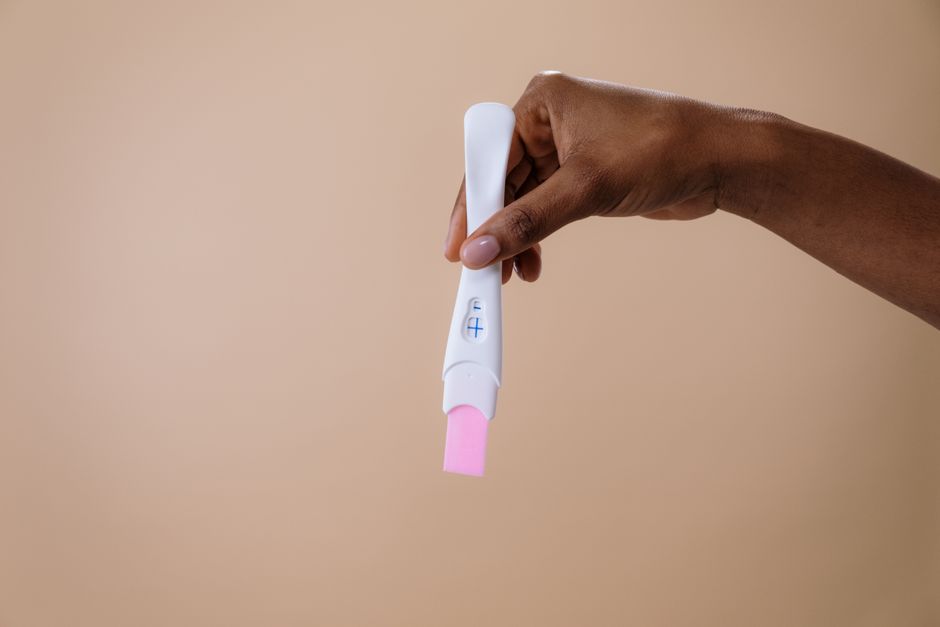
A miscarriage, also called early pregnancy loss, can happen at any point after conception, but the vast majority occur before 12 weeks of pregnancy. In fact, most miscarriages happen in the first trimester, with a significant number occurring before the eighth week, often before a woman even knows she is pregnant. Understanding the week-by-week timeline helps clarify what the risks actually are and when they begin to drop.
What Is a Miscarriage and When Does It Start?
A miscarriage is the loss of a pregnancy before 20 weeks of gestation. After 20 weeks, the loss is classified as a stillbirth. Within that definition, the timing varies widely. Some losses happen so early that they are mistaken for a late or heavy period. This is often called a chemical pregnancy.
A chemical pregnancy occurs when a fertilized egg implants in the uterus but stops developing very early, usually before five weeks of gestation. A home pregnancy test may show a positive result, but an ultrasound would not yet show a gestational sac. These early losses are very common. Some research suggests that up to half of all fertilized eggs are lost before a pregnancy is even recognized.
The risk of loss is highest in the earliest weeks. Studies consistently show that the miscarriage rate declines sharply as the pregnancy progresses. By the time a fetal heartbeat is detected on an ultrasound, usually around six to seven weeks, the risk drops considerably. By 12 weeks, the risk is much lower, and most women can feel more confident about the viability of their pregnancy.
How Early Can A Miscarriage Happen Week By Week
The shortest answer is that a miscarriage can technically happen as soon as implantation occurs, which is about 6 to 10 days after ovulation. This is before a missed period. At this stage, the loss is a chemical pregnancy. It happens so early that many women never know they were pregnant.
Week by week, the picture becomes clearer:
- Week 1-4: This is the time from your last menstrual period to when implantation happens. Losses here are almost always chemical pregnancies. There may be no symptoms beyond a slightly late period.
- Week 5-6: The gestational sac and yolk sac may be visible on ultrasound. Losses here are still common. Many women may not have had their first ultrasound yet, so the loss may be suspected only by falling hormone levels or bleeding.
- Week 7-8: A fetal heartbeat is usually visible. Once a heartbeat is confirmed, the risk of miscarriage drops significantly. Research consistently shows that the loss rate after a confirmed heartbeat at this stage is much lower than in the preceding weeks.
- Week 9-12: The risk continues to decline. By the end of the first trimester, the chance of miscarriage is low. Most women who reach this point without complications will go on to have a viable pregnancy.
- Week 13-20: This is considered a second-trimester loss. It is far less common than first-trimester loss. Causes are often different and may involve cervical insufficiency, placental problems, or fetal anomalies.
The most important takeaway is that the earlier the pregnancy, the higher the risk. The risk curve is steepest in the first few weeks and flattens out considerably after the first trimester.
How Common Is Miscarriage in the First Trimester?
Miscarriage is more common than most people think. The widely cited figure is that 10 to 20 percent of recognized pregnancies end in miscarriage. The vast majority of these occur in the first trimester.
This number only counts pregnancies that were confirmed by a positive test. If you include chemical pregnancies that occur before a missed period, the total number of early losses is higher. Some estimates suggest that 30 to 50 percent of all conceptions fail to result in a live birth. Most of these losses happen before implantation or in the very first weeks after implantation.
Age is a major factor in miscarriage risk. The risk increases with maternal age. A woman in her early 20s has a lower risk than a woman in her late 30s or early 40s. This is largely due to the increasing likelihood of chromosomal abnormalities in eggs as a woman ages.
It is also important to note that having one miscarriage does not mean a woman will have another. The majority of women who experience a first-trimester loss go on to have a healthy pregnancy next time. Even after two miscarriages, the chance of a successful subsequent pregnancy remains high.





What Causes a Miscarriage in the Early Weeks?
The most common cause of early miscarriage is a chromosomal abnormality in the embryo. This is not something the mother did or did not do. It is a random event that occurs during cell division after fertilization. The embryo simply does not develop normally, and the body ends the pregnancy.
Other causes in the first trimester include hormonal problems, such as low progesterone, or uterine abnormalities. However, these are less common than chromosomal issues. In many cases, the exact cause of an early miscarriage is never identified.
It is worth being direct about what does not cause miscarriage. Everyday activities like exercise, lifting, stress, or a fall do not cause first-trimester loss. Sexual intercourse does not cause miscarriage. These are common myths, and the evidence does not support them. The embryo is well protected inside the uterus.
Certain health conditions do increase risk. Uncontrolled diabetes, thyroid disease, and autoimmune disorders are linked to higher rates of pregnancy loss. Lifestyle factors such as smoking, heavy alcohol use, and cocaine use also increase risk. But for most early miscarriages, the cause is simply bad luck in the genetic lottery.
What Are the Signs of an Early Miscarriage?
The most common sign is vaginal bleeding. This can range from light spotting to heavy bleeding with clots. However, bleeding in early pregnancy is very common and does not always mean a miscarriage is happening. Many women experience light spotting in the first trimester and go on to have healthy pregnancies.
Other signs include cramping and pain in the lower abdomen or back. This pain may feel like a strong menstrual cramp. If tissue passes from the vagina, that is a clear sign that a miscarriage may be occurring.
Some women have no symptoms at all. The miscarriage is only discovered during a routine ultrasound when no fetal heartbeat is found. This is called a missed miscarriage or a silent miscarriage. It can be emotionally difficult because there were no warning signs.
If you experience heavy bleeding, severe pain, or fever, seek medical care promptly. These symptoms can indicate an ectopic pregnancy, which is a medical emergency. Ectopic pregnancy occurs when the embryo implants outside the uterus, usually in a fallopian tube. It requires immediate treatment.
When Does the Risk of Miscarriage Drop Significantly?
The risk of miscarriage does not drop all at once. It declines steadily week by week. The most significant drop occurs after a fetal heartbeat is detected, which is typically around 6 to 7 weeks of pregnancy.
Once a heartbeat is seen on ultrasound, the risk of loss drops to a much lower level. Some research suggests the risk after a confirmed heartbeat at 8 weeks is under 2 percent for women with no other risk factors. This is a reassuring milestone for many expectant parents.
By 12 weeks, the risk is even lower. Most women who reach the end of the first trimester without complications will not miscarry. The pregnancy is considered significantly more stable at this point, which is why many women choose to announce their pregnancy after the first trimester.
It is important to remember that these are statistical averages. Individual risk varies based on maternal age, medical history, and the specific circumstances of the pregnancy. A woman with a history of recurrent miscarriage or certain medical conditions may have a higher risk even after the first trimester.
Can Anything Be Done to Prevent Early Miscarriage?
For most early miscarriages caused by chromosomal abnormalities, there is no prevention. This is a hard truth, but an important one. No supplement, diet, or lifestyle change can fix a chromosomal error in the embryo.
What you can do is focus on general health before and during pregnancy. Taking folic acid before conception is recommended to prevent neural tube defects, though it does not prevent miscarriage. Managing chronic conditions like diabetes and thyroid disease is important. Avoiding smoking, alcohol, and illicit drugs is also recommended.
Some clinicians recommend progesterone supplementation for women with recurrent early pregnancy loss and bleeding. Evidence on this is mixed. Some studies suggest a benefit, while others do not. If you have had multiple miscarriages, a doctor may discuss this option with you. It is not a standard recommendation for all women.
Bed rest is not recommended to prevent miscarriage. Studies have not shown that restricting activity reduces the risk of pregnancy loss. For a pregnancy that is going to miscarry due to chromosomal issues, no amount of rest will change the outcome.
Frequently Asked Questions
Can a miscarriage happen before you miss your period?
Yes, this is called a chemical pregnancy and it happens before five weeks of gestation. Many women mistake it for a heavier-than-normal period.
What week is the highest risk for miscarriage?
The highest risk is in the earliest weeks, especially before 8 weeks of pregnancy. The risk declines significantly after a fetal heartbeat is confirmed.
Does the risk of miscarriage drop after 12 weeks?
Yes, the risk drops considerably after the first trimester. Most miscarriages happen before 12 weeks, and the chance of loss after this point is low.
Can stress cause a first-trimester miscarriage?
No, everyday stress does not cause miscarriage. The evidence does not support a link between normal daily stress and early pregnancy loss.
