

Charley horses are sudden, painful muscle spasms, most often in the calf, that can jolt you awake or stop you mid-stride. They happen when a muscle contracts forcefully on its own and then fails to relax, creating a hard knot that can last from a few seconds to several minutes. While the exact trigger is not always clear, the science points to a mix of muscle fatigue, nerve signaling issues, and an imbalance of electrolytes and hydration in the muscle tissue.
What Exactly Is a Charley Horse?
A charley horse is the common name for a sudden, involuntary muscle contraction. The medical term is a muscle cramp or a muscle spasm. It most frequently strikes the calf muscle, but it can also happen in the thigh, foot, or even the hand.
During a cramp, the muscle fires a signal to contract but does not receive the signal to stop. This creates a sustained, forceful contraction that can be intensely painful. The muscle feels hard to the touch because it is fully flexed and locked. The spasm usually resolves on its own, but the muscle can remain sore for hours or even a day afterward.
Why Do Charley Horses Happen? The Science Behind It
The exact cause of a charley horse is not fully understood, but researchers have identified several mechanisms that contribute to them. The most widely accepted explanation involves the motor neurons that control muscle contraction. When these nerves become overly excited, they fire rapid signals that cause the muscle to contract and fail to relax.
This nerve hyperexcitability is often linked to changes in the muscle environment. Dehydration, low levels of minerals like magnesium, potassium, or calcium, and poor blood flow can all alter how nerves and muscle fibers communicate. When these conditions combine with muscle fatigue, the normal braking system that stops a contraction malfunctions.
Another factor is the stretch reflex. If a muscle is suddenly stretched while it is already shortened, such as pointing your toes in bed, the reflex can trigger a strong contraction. This is why many people experience charley horses at night while stretching their legs under the sheets.
Common Triggers and Risk Factors
Several lifestyle and health factors make you more likely to experience a charley horse. Understanding these triggers can help you identify why they happen to you specifically.
- Dehydration: Even mild fluid loss can change the balance of electrolytes in your blood and muscle tissue.
- Electrolyte imbalance: Low levels of magnesium, potassium, or calcium can interfere with normal muscle relaxation.
- Muscle fatigue: Overexertion or exercising without proper conditioning increases cramp risk.
- Poor circulation: Reduced blood flow to the legs, often from sitting for long periods or narrowed arteries, can contribute to cramps.
- Prolonged sitting or standing: Holding one position for too long can fatigue muscles and reduce blood flow.
- Cold temperatures: Cooler environments can make muscles more prone to spasms, especially at night.
Certain medications can also increase cramp frequency. Diuretics, statins, and some blood pressure medications are known to affect electrolyte levels or muscle function. If you take these medications and notice frequent cramps, it is worth discussing with your doctor rather than assuming it is just a nuisance.



Why Do They Happen at Night?
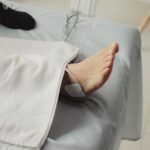
Nighttime leg cramps are particularly common, and the reasons are tied to how your body behaves during sleep. When you sleep, your muscles are relaxed, but your foot often rests in a pointed position. This shortens the calf muscle, making it more sensitive to contraction signals.
Blood flow also slows during sleep, and your body’s hydration status may shift if you have not had enough fluids during the day. The combination of a shortened muscle, reduced circulation, and possible electrolyte depletion creates a perfect setup for a spasm. Some research also suggests that nerve activity changes during certain sleep stages, which can trigger abnormal firing patterns in motor neurons.
Night cramps become more frequent with age. Older adults lose muscle mass and may have reduced circulation, making the muscles more irritable. Pregnancy also increases the risk, likely due to changes in circulation and mineral demands.
How to Stop a Charley Horse When It Happens
When a cramp hits, the goal is to interrupt the contraction and help the muscle relax. The most effective immediate action is to gently stretch the affected muscle in the opposite direction of the contraction.
For a calf cramp, straighten your leg and flex your toes toward your knee. You can also stand up and press the ball of your foot into the floor with your heel down. For a thigh cramp, sit and pull your knee toward your chest while keeping your leg relaxed. Massaging the tight muscle with firm pressure can also help disrupt the spasm.
Applying heat can relax the muscle during the cramp. A warm towel or heating pad placed on the area may ease the contraction. After the cramp subsides, cold therapy can reduce any lingering soreness. If the cramp is severe, some people find that gently walking around helps reset the muscle’s signaling.
Can You Prevent Charley Horses?
Prevention focuses on addressing the known triggers. Staying hydrated throughout the day is the most straightforward step. Water is usually sufficient, but if you sweat heavily during exercise, a drink with electrolytes may be more appropriate.
Stretching before bed may reduce nighttime cramps. Gentle calf and hamstring stretches performed in the evening help lengthen the muscles and reduce their tendency to spasm. Regular physical activity improves circulation and muscle conditioning, which lowers overall cramp risk.
For people with confirmed low magnesium or potassium levels, increasing dietary intake may help. Foods like bananas, leafy greens, nuts, and legumes provide these minerals naturally. However, taking supplements without a known deficiency has not been consistently shown to prevent cramps in all people. Some studies suggest magnesium supplements help certain populations, while others show no benefit. The evidence is mixed, so it is best to get minerals from food unless a blood test indicates a deficiency.
Wearing supportive footwear during the day and avoiding prolonged sitting can also help. If you stand for long periods, take breaks to walk and shift your weight. If you sit at a desk, stand up and stretch your legs every hour.
When to See a Doctor
Occasional charley horses are normal and rarely a cause for concern. But frequent cramps that disrupt your sleep or daily activities deserve medical attention. You should also see a doctor if the cramps are severe, if they occur after starting a new medication, or if they are accompanied by swelling, redness, or weakness in the leg.
In some cases, frequent leg cramps can signal an underlying condition. Peripheral artery disease, nerve compression, thyroid problems, or kidney disease can all cause muscle cramps. A doctor can order blood tests to check your electrolyte levels, kidney function, and thyroid status. They can also evaluate your circulation and nerve function to rule out more serious causes.
If cramps are medication-related, your doctor may adjust the dose or switch you to a different drug. Never stop a prescribed medication on your own to see if cramps improve. Always discuss side effects with your healthcare provider.
What Does Not Work for Charley Horses
Several popular remedies for leg cramps lack solid evidence. Quinine was once a common treatment, but the FDA has warned against its use for cramps due to serious side effects, including heart rhythm problems. It should not be used for this purpose.
Pickle juice is a folk remedy that some people swear by. Some small studies suggest it may shorten cramp duration, but the mechanism is unclear. It is not harmful for most people, but it is not a proven treatment. Similarly, over-the-counter cramp creams and rubs may provide a soothing sensation but do not address the underlying nerve or muscle issue.
Stretching is the only intervention with consistent support for both stopping and preventing cramps. Everything else should be viewed as unproven or supportive at best.
Frequently Asked Questions
Can low potassium cause charley horses?
Yes, low potassium can contribute to muscle cramps, including charley horses. Potassium is essential for muscle contraction and relaxation, and a deficiency can make muscles more irritable.
Does drinking water prevent leg cramps at night?
Staying well-hydrated can reduce the risk of cramps, but it does not guarantee prevention. Dehydration is one trigger among several, so adequate water intake helps but may not eliminate cramps entirely.
Are charley horses a sign of a serious health problem?
Occasional charley horses are usually harmless, but frequent or severe cramps can indicate an underlying issue like poor circulation, nerve problems, or mineral deficiencies. If cramps are persistent or accompanied by swelling or weakness, see a doctor.
What is the fastest way to get rid of a charley horse?
Gently stretching the cramped muscle in the opposite direction of the spasm is the fastest way to stop it. For a calf cramp, straighten your leg and flex your toes toward your knee, then massage the tight area.
