
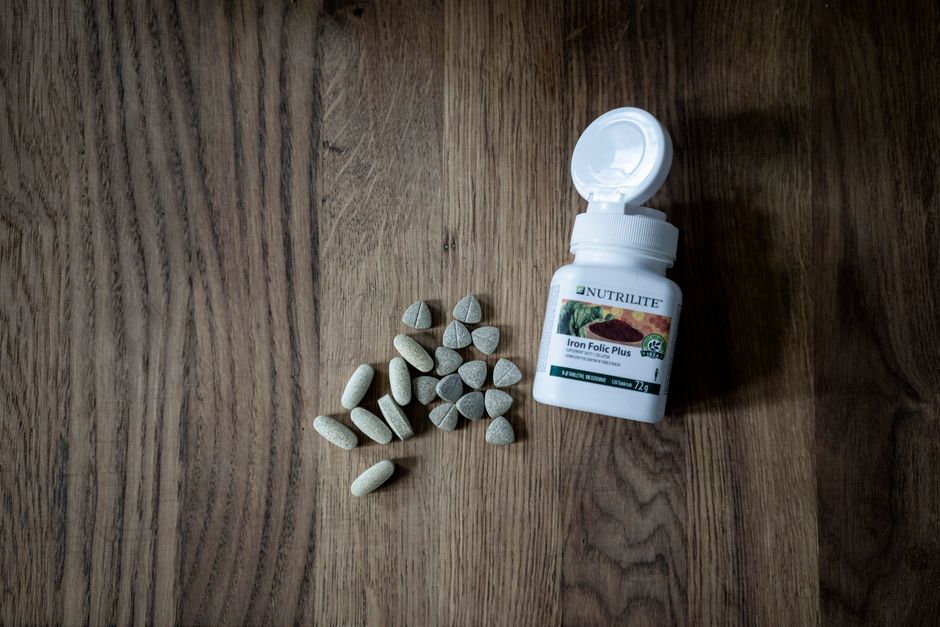
Iron deficiency is one of the most common nutritional problems worldwide, and it happens when your body does not have enough iron to make hemoglobin, the protein in red blood cells that carries oxygen. When iron levels drop too low, your organs and tissues do not get the oxygen they need to work properly, which leads to a condition called iron deficiency anemia. The effects range from mild fatigue to more serious complications like heart problems and pregnancy risks, but the condition is highly treatable once it is identified and addressed.
What Happen If You Have Iron Deficiency and It Goes Untreated?
Untreated iron deficiency does not stay mild forever. It progresses through stages, and the longer it continues, the more systems in your body feel the impact.
Iron stores in your body deplete first. This stage often has no symptoms at all. Next, your red blood cells start to change. Finally, hemoglobin levels drop enough that full anemia develops. At this point, every tissue in your body receives less oxygen than it needs.
The most common early signs are fatigue, weakness, and pale skin. Many people dismiss these as normal busy-life symptoms. But when oxygen delivery stays low for months, the consequences become harder to ignore. Shortness of breath during routine activities, dizziness, cold hands and feet, and brittle nails are all classic signs that the deficiency has progressed.
Some people develop pica, a strong craving to chew ice, dirt, or paper. This is a well-documented symptom of iron deficiency, though the exact reason for it is still not fully understood.
How Does Iron Deficiency Affect Your Heart and Lungs?
Your heart works harder when your blood cannot carry enough oxygen. The heart has to pump more blood per minute to deliver the same amount of oxygen to your tissues. Over time, this extra workload can cause the heart muscle to enlarge.
In severe or long-standing anemia, this increased strain can lead to an irregular heartbeat, heart murmurs, or even heart failure in extreme cases. These complications are more common in older adults and people with existing heart disease.
Your lungs respond too. You may feel short of breath because your brain detects low oxygen levels and signals you to breathe faster. This is why climbing stairs or walking short distances can leave you winded when your iron is low.
The good news is that these heart and lung effects usually reverse when iron levels are restored. Treating the deficiency early prevents permanent damage in most cases.
Why Does Iron Deficiency Cause Brain Fog and Mood Changes?
Your brain is one of the most oxygen-hungry organs in your body. It uses about 20 percent of the oxygen you breathe. When iron deficiency limits oxygen delivery, cognitive function suffers.
People with iron deficiency often report difficulty concentrating, poor memory, and a general feeling of mental slowness. This is sometimes called brain fog. It is not imagined — studies have shown that iron deficiency affects attention and cognitive performance even before full anemia develops.
Mood changes are also common. Irritability, depression, and anxiety are reported more often in people with iron deficiency. The exact mechanism is not fully clear, but iron is involved in producing dopamine and serotonin, two neurotransmitters that regulate mood.
In children, iron deficiency is more serious. It has been linked to developmental delays and lasting cognitive deficits. This is why pediatricians routinely screen for iron deficiency in infants and toddlers.




What Are the Hidden Signs of Iron Deficiency?
Not all symptoms are obvious. Some signs of iron deficiency appear in places people do not think to check.
- Restless legs syndrome: A strong urge to move your legs, especially at night. Iron deficiency is a recognized cause of this condition.
- Hair thinning: Iron is needed for hair follicle health. Low iron can cause increased shedding, though this is not always reversible.
- Swollen tongue: The tongue can become smooth, sore, and inflamed. This is called glossitis.
- Cracks at the corners of the mouth: Known as angular cheilitis, this is associated with iron deficiency.
- Koilonychia: Nails that become thin, brittle, and spoon-shaped with a concave curve.
These signs are not exclusive to iron deficiency. Other conditions can cause them. But when several appear together, iron deficiency should be on the list of possibilities.
Who Is Most at Risk for Iron Deficiency?
Iron deficiency does not affect everyone equally. Certain groups face much higher risk.
Menstruating women lose iron through monthly bleeding. Women with heavy periods are at especially high risk. Pregnant women need more iron to support the growing fetus and increased blood volume. Iron requirements nearly double during pregnancy.
Infants and young children grow rapidly and need more iron per pound of body weight than adults. Vegetarians and vegans absorb iron from plant sources less efficiently than from meat. Plant-based iron, called non-heme iron, is absorbed at a lower rate than the heme iron found in animal products.
People with digestive disorders like celiac disease, Crohn’s disease, or ulcerative colitis may absorb iron poorly. People who take antacids regularly reduce stomach acid, which is needed for iron absorption.
Older adults are at risk due to chronic inflammation, medications, and sometimes poor dietary intake. Blood loss from the digestive tract is also more common with age.
How Is Iron Deficiency Diagnosed and Treated?
Diagnosis starts with a simple blood test. A complete blood count measures hemoglobin and hematocrit levels. A ferritin test measures your body’s stored iron. Ferritin is the most sensitive test for early iron deficiency because it drops before anemia develops.
Normal hemoglobin ranges vary by age and sex. For adult men, the normal range is roughly 13.5 to 17.5 grams per deciliter. For adult women, it is roughly 12.0 to 15.5 grams per deciliter. Ferritin levels below 30 micrograms per liter generally indicate iron deficiency, even if hemoglobin is still normal.
Treatment depends on the cause and severity. Oral iron supplements are the standard first-line treatment for most people. Ferrous sulfate, ferrous gluconate, and ferrous fumarate are common forms. Taking iron with vitamin C improves absorption, while calcium, tea, and coffee reduce it.
Dietary changes help too. Red meat, poultry, fish, beans, lentils, tofu, and fortified cereals are good sources of iron. Cooking in cast iron pans can also add small amounts of iron to food.
In severe cases, or when oral iron is not absorbed or tolerated, intravenous iron may be used. Blood transfusions are reserved for life-threatening anemia or cases where rapid correction is needed.
Finding the underlying cause matters just as much as replacing iron. In men and postmenopausal women, iron deficiency is often a sign of blood loss from the digestive tract. This requires a medical workup to rule out ulcers, polyps, or colorectal cancer.
Can You Take Too Much Iron?
Yes. Iron is not harmless just because it is a nutrient. Your body has no efficient way to excrete excess iron. It stores what it does not use.
Taking too much iron can cause nausea, vomiting, constipation, and abdominal pain. In severe cases, iron overdose can damage the liver and other organs. This is especially dangerous for children. Iron supplements are a leading cause of poisoning deaths in young children.
There is also a genetic condition called hemochromatosis, where the body absorbs too much iron from food. People with this condition can develop iron overload even without supplements. It can cause liver damage, diabetes, and heart problems if untreated.
Never take iron supplements without a confirmed deficiency. If your iron levels are normal, supplements provide no benefit and carry real risks.
Frequently Asked Questions
How long does it take to recover from iron deficiency?
Most people feel better within a few weeks of starting treatment, but it takes two to three months of consistent supplementation to restore normal iron levels. Your doctor will retest your blood to confirm recovery.
Can iron deficiency cause weight gain?
Iron deficiency itself does not directly cause weight gain. However, the fatigue it causes can reduce physical activity, and some people eat more to combat low energy.
Is it safe to take iron supplements every day?
Daily iron supplementation is safe when you have a confirmed deficiency and follow your doctor’s dosing instructions. Taking more than the recommended amount increases the risk of side effects and toxicity.
What foods block iron absorption?
Calcium from dairy products, tannins in tea and coffee, and phytates in whole grains and legumes can reduce iron absorption. Eating these foods separately from iron-rich meals helps your body absorb more iron.
