

Stress is your body’s built-in alarm system. When your brain perceives a threat, it triggers a cascade of physical changes designed to help you fight or flee. This response is lifesaving in short bursts, but when stress becomes chronic, those same changes wear down nearly every system in your body.
What Happens in Your Body the Moment You Feel Stressed?
The process starts in your brain. A region called the amygdala detects the threat and sends a distress signal to the hypothalamus, which acts as your command center. The hypothalamus activates your sympathetic nervous system, which is the part of your nervous system responsible for the fight-or-flight response.
Your adrenal glands, located on top of your kidneys, release two hormones: adrenaline and cortisol. Adrenaline acts quickly. It increases your heart rate, raises your blood pressure, and boosts your energy supply. Cortisol follows more slowly. It keeps your body on high alert by maintaining blood sugar levels and suppressing non-essential functions like digestion and reproduction.
These changes happen within seconds. Your pupils dilate to let in more light. Your breathing quickens to bring in more oxygen. Blood flow shifts away from your skin and digestive organs and toward your muscles and brain. You are ready to act.
In a real emergency, this response saves your life. The problem is that your body cannot tell the difference between a physical threat and a psychological one. A work deadline, a difficult conversation, or financial worry triggers the exact same chemical reaction.
How Does Stress Affect the Body Step by Step Over Time
Short-term stress is manageable. Your body returns to normal once the threat passes. But when stress is constant, your body never gets the signal to stand down. The prolonged presence of cortisol and adrenaline creates a state of chronic wear and tear.
The first system affected is often your cardiovascular system. Repeated spikes in heart rate and blood pressure strain your blood vessels. Over time, this increases your risk of hypertension, heart attack, and stroke. Some research suggests that chronic stress contributes to inflammation in the arteries, which is a factor in heart disease.
Your digestive system also suffers. Stress slows digestion because your body prioritizes survival over food processing. This can cause stomach pain, bloating, and changes in appetite. Some people eat more under stress, while others lose their appetite entirely. Stress can also alter the balance of bacteria in your gut, which affects digestion and even mood.
Your immune system becomes less effective. Cortisol suppresses immune function to save energy for immediate threats. This means you are more vulnerable to infections like colds and flu. Wounds may heal more slowly. Over time, chronic inflammation can develop, which is linked to many chronic diseases.
Your muscles stay tense. When you are stressed, your muscles contract to protect you from injury. If that tension never releases, it leads to headaches, back pain, and jaw discomfort. Many people clench their jaw or grind their teeth without realizing it.
Your sleep suffers. High cortisol levels interfere with your natural sleep-wake cycle. You may find it hard to fall asleep, wake up frequently during the night, or feel exhausted even after a full night of rest. Poor sleep then makes stress worse, creating a cycle that is hard to break.
How Stress Affects Your Brain and Mental Health
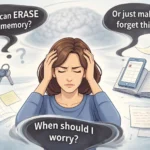
Your brain is not immune to stress. Prolonged exposure to cortisol can affect memory and concentration. You may find it harder to focus at work or remember simple things. Some studies suggest that chronic stress can shrink the hippocampus, the brain region responsible for memory and learning.
Stress also affects your mood. It can make you irritable, anxious, or overwhelmed. Over time, chronic stress is a known risk factor for anxiety disorders and depression. This is not a personal weakness. It is a biological response to sustained pressure on your nervous system.
Your ability to make decisions changes too. When you are stressed, your brain shifts toward quick, reactive thinking rather than careful, reasoned judgment. This can lead to poor choices around food, spending, or relationships.




Can Stress Cause Long-Term Health Conditions?
Chronic stress does not directly cause every disease, but it contributes to many. The evidence is strongest for its role in cardiovascular disease, weakened immune function, and mental health conditions.
Stress influences your risk of type 2 diabetes. Cortisol raises blood sugar to give you energy. If your blood sugar stays elevated because stress is constant, your body becomes less sensitive to insulin over time. This is a pathway to insulin resistance and eventually diabetes.
Stress affects your reproductive system as well. In women, chronic stress can disrupt menstrual cycles and worsen symptoms of PMS. In men, it can lower testosterone levels and affect sperm production. Stress can also reduce sex drive in both men and women.
Digestive conditions like irritable bowel syndrome and acid reflux are closely linked to stress. The gut has its own nervous system that communicates directly with your brain. When your brain is stressed, your gut feels it. Stress does not cause these conditions, but it can trigger flare-ups and make symptoms worse.
Skin conditions can flare under stress. Conditions like eczema, psoriasis, and acne are influenced by stress hormones. Stress can also impair your skin’s ability to repair itself, which means wounds and blemishes take longer to heal.
What Are the Signs That Stress Is Affecting Your Body?
Your body sends clear signals when stress is taking a toll. Common physical signs include frequent headaches, muscle tension, chest pain, fatigue, and stomach problems. You may notice changes in your appetite or sleep patterns.
Emotional signs include feeling overwhelmed, restless, or lacking motivation. You may feel more irritable than usual or have trouble quieting your mind. Difficulty concentrating and forgetfulness are also common.
Behavioral signs are just as important. You might withdraw from social activities, neglect responsibilities, or use alcohol, tobacco, or food to cope. Nail biting, fidgeting, and pacing are physical outlets for nervous energy.
If you notice these signs persisting for weeks or months, it is worth taking action. Your body is telling you that the stress load is too high.
What Can You Do to Reduce the Physical Effects of Stress?
You cannot eliminate stress entirely, but you can change how your body responds to it. The goal is to activate your parasympathetic nervous system, which is the rest-and-digest counterpart to fight-or-flight.
Physical activity is one of the most effective stress relievers. Exercise burns off excess adrenaline and cortisol while releasing endorphins, which are natural mood elevators. Even a 20-minute walk can lower stress hormone levels.
Breathing exercises work quickly. Slow, deep breathing signals your brain that the threat has passed. A simple pattern is to inhale for four counts, hold for four counts, and exhale for four counts. Repeat for several minutes.
Sleep is foundational. During deep sleep, your body repairs tissues, consolidates memories, and resets stress hormone levels. Aim for seven to nine hours per night. If stress keeps you awake, focus on a consistent bedtime routine and limit screen time before bed.
Social connection buffers the effects of stress. Talking to a trusted friend or family member lowers cortisol levels and increases oxytocin, a hormone that promotes bonding and calm. Isolation makes stress worse.
Time in nature has measurable effects on stress markers. Studies show that spending time outdoors lowers heart rate and cortisol levels. Even a short walk in a park can help.
If stress is severely affecting your daily life, consider speaking with a healthcare provider. Therapy, particularly cognitive behavioral therapy, is effective for managing stress. Some people benefit from medication, but that is a decision to make with a doctor.
Frequently Asked Questions
How long does it take for stress symptoms to go away?
Acute stress symptoms like rapid heartbeat and tense muscles usually fade within minutes to hours after the stressor passes. Chronic stress symptoms may take weeks or months of consistent stress management to resolve.
Can stress make you physically sick?
Yes. Chronic stress weakens your immune system, disrupts digestion, and increases inflammation, which can lead to frequent infections, stomach problems, and other physical symptoms.
What is the fastest way to calm the stress response?
Slow, deep breathing is the fastest way to activate your parasympathetic nervous system. Inhale for four counts, hold for four counts, and exhale for four counts.
Does stress cause weight gain?
Stress can contribute to weight gain because cortisol increases appetite and promotes fat storage around the abdomen. Stress also often leads to cravings for high-sugar, high-fat foods.
