
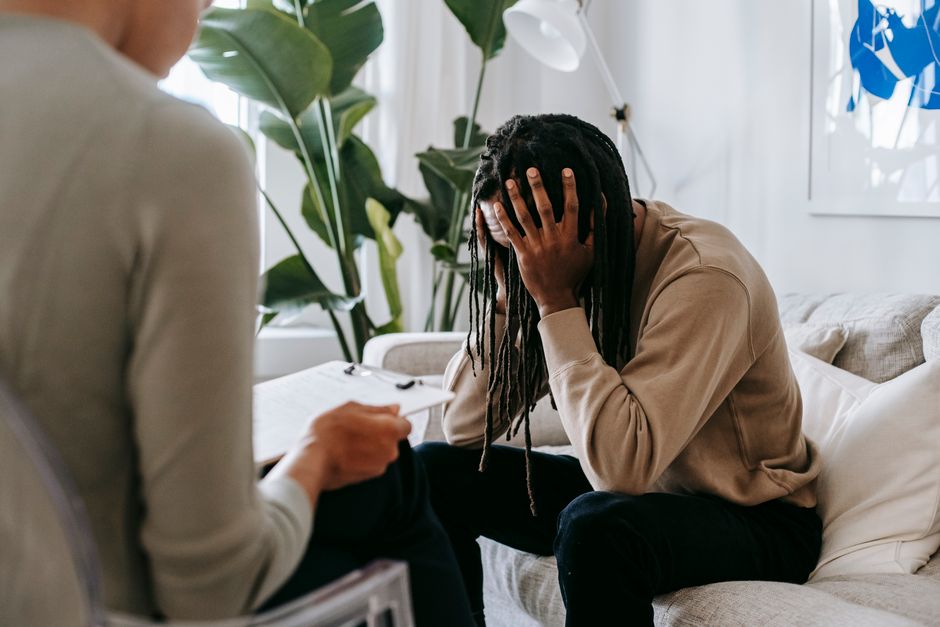
Stress and anxiety are not the same thing, but they often travel together. Stress is your body’s reaction to a demand or pressure. Anxiety is a feeling of fear or worry that can linger even after the stressor is gone. The best way to relieve both is to use methods that target your body’s physical response and your mind’s thought patterns at the same time. Research consistently shows that combining physical activity with specific breathing techniques and cognitive strategies gives the most reliable relief for most people.
What Actually Happens in Your Body During Stress and Anxiety?
Your body has a built-in alarm system called the fight-or-flight response. When your brain senses a threat, it releases hormones like adrenaline and cortisol. Your heart beats faster. Your breathing gets shallow and quick. Your muscles tense up. This was useful for running from predators thousands of years ago. But today, your brain can trigger this same response from a work email or a traffic jam.
Anxiety keeps this alarm system stuck in the “on” position. Your body stays in a state of high alert even when there is no immediate danger. This is exhausting. It also makes it harder for your thinking brain (the prefrontal cortex) to work properly. That is why you might feel foggy or irritable when you are stressed or anxious.
The good news is that you can use your body to tell your brain the danger is over. Techniques that slow your breathing and relax your muscles send a signal back up to your brain. Your brain then lowers the cortisol levels. This is not just a feeling. It is a measurable biological change. Studies have found that just a few minutes of slow breathing can reduce blood pressure and heart rate significantly.
Does Exercise Really Help Relieve Stress and Anxiety?
Yes, and the evidence is strong. Exercise is one of the most effective single actions you can take. Research shows that regular physical activity lowers baseline cortisol levels. It also increases endorphins, which are natural mood elevators. You do not need to run a marathon. A 20-minute walk at a brisk pace can produce noticeable relief within minutes.
The type of exercise matters less than the consistency. Some studies suggest that aerobic exercise like walking, running, or cycling has the strongest evidence for reducing anxiety symptoms. But resistance training and yoga also show clear benefits. The key is to pick something you will actually do. If you hate running, do not force it. Find a movement you enjoy and do it most days.
One non-obvious insight: exercise works partly because it forces you to pay attention to your body instead of your thoughts. When you are focused on your breathing during a run or on your balance during yoga, your mind cannot spiral into anxious thoughts at the same time. This is called “exteroceptive attention” — focusing outward rather than inward. It is a simple but powerful mechanism.
Which Breathing Techniques Actually Work for Stress and Anxiety?
Not all breathing techniques are equal. The one with the most research support is called slow-paced breathing or resonant breathing. You breathe in for about 4 seconds and out for about 6 seconds. This specific rhythm (around 6 breaths per minute) stimulates the vagus nerve. The vagus nerve is the main highway of your parasympathetic nervous system, which is the “rest and digest” system that counters fight-or-flight.
Studies have found that doing this for just 5 minutes can measurably increase heart rate variability. Heart rate variability is a marker of how well your body can shift between stress and relaxation states. Higher variability is linked to better emotional regulation and lower anxiety. You can do this anywhere — at your desk, in the car at a stoplight, or before a stressful meeting.
A simpler version that also works is the 4-7-8 method. Breathe in for 4 seconds, hold for 7 seconds, and breathe out slowly for 8 seconds. The extended exhale is what triggers the relaxation response. Current research suggests that any technique that makes your exhale longer than your inhale will help. The exact numbers matter less than the ratio.




What Role Does Your Thinking Play in Anxiety?
Your thoughts can keep anxiety alive long after the original trigger is gone. This is where cognitive behavioral therapy (CBT) techniques come in. CBT is one of the most well-studied treatments for anxiety disorders. It teaches you to identify and challenge the distorted thoughts that fuel anxiety. For example, “I will fail this presentation” might be a thought that feels true but is not supported by evidence.
You do not need a therapist to start using these skills, though professional help is recommended for moderate to severe anxiety. One simple technique is to ask yourself three questions about an anxious thought: What is the evidence for this thought? What is the evidence against it? What is a more balanced way to see this situation? This is not about positive thinking. It is about accurate thinking.
Another useful approach is “thought defusion” from acceptance and commitment therapy. Instead of arguing with the anxious thought, you simply notice it and let it pass like a cloud. You say to yourself, “I notice I am having the thought that I will fail.” This creates distance between you and the thought. The thought loses some of its power. Many people find this easier than trying to change the thought itself.
Frequently Asked Questions About relieve stress and anxiety
Can diet changes help with stress and anxiety?
Some evidence suggests that a diet high in whole foods, vegetables, and omega-3 fatty acids may support better mood regulation. However, diet alone is not a treatment for diagnosed anxiety disorders.
How long does it take for stress relief techniques to work?
Breathing exercises and physical activity can provide relief within minutes to hours. Cognitive techniques and lifestyle changes usually take several weeks of consistent practice to show noticeable effects.
Is medication necessary for treating anxiety?
Not everyone needs medication. Many people manage anxiety effectively with therapy, lifestyle changes, and stress management techniques. Medication is most helpful for moderate to severe cases and should be discussed with a doctor.
What is the single most effective thing I can do right now?
Take five slow breaths with your exhale longer than your inhale. This activates your vagus nerve and lowers your heart rate within seconds. It is the fastest way to shift your body out of fight-or-flight mode.
What About Mindfulness and Meditation for Anxiety Relief?
Mindfulness meditation has a solid research base for reducing anxiety. Studies have found that an 8-week mindfulness-based stress reduction program can reduce anxiety symptoms as effectively as medication for some people. The practice involves sitting quietly and paying attention to the present moment without judgment. When your mind wanders, you gently bring it back.
The challenge is that many people find meditation frustrating at first. Your mind will wander. That is normal. The goal is not to have a blank mind. The goal is to notice when you have wandered and return to your breath. Each time you do this, you are strengthening your ability to disengage from anxious thoughts. It is like a rep in a gym for your attention.
If sitting meditation does not work for you, try walking meditation or mindful yoga. The key is the same: paying full attention to the present moment. Some people report that they get better results from a 10-minute walk where they focus on the sensation of their feet hitting the ground than from 20 minutes of sitting meditation. As of 2026, more research is being done on these movement-based mindfulness practices, but early results are promising.
How Does Sleep Affect Stress and Anxiety Levels?
Sleep and anxiety have a two-way relationship. Poor sleep makes you more vulnerable to anxiety. Anxiety makes it harder to sleep. This creates a cycle that can be hard to break. Research shows that even one night of poor sleep can increase your amygdala’s reactivity by up to 60%. The amygdala is the part of your brain that processes fear and threat. When it is overactive, small stressors feel like big threats.
Improving sleep is one of the most effective ways to lower your baseline anxiety. The basics matter: a consistent sleep schedule, a cool and dark room, and no screens for at least 30 minutes before bed. But there is one specific technique that has strong evidence for reducing anxious thoughts at bedtime. It is called cognitive shuffling. You think of random, unrelated words or images to disrupt the linear thinking that fuels worry. This helps your brain transition into sleep mode.
If you are struggling with sleep and anxiety, do not ignore it. Talk to your doctor. Sleep disorders like insomnia are very treatable, and treating them often reduces anxiety significantly. Cognitive behavioral therapy for insomnia is now considered the first-line treatment and has excellent results.
What Should You Avoid When Trying to Relieve Stress and Anxiety?
Alcohol is a common trap. Many people drink to relax, and it does work in the short term. But alcohol disrupts your sleep architecture and increases anxiety the next day. This is sometimes called “hangxiety.” The rebound effect can be worse than the original anxiety. Caffeine is another trigger. It activates the same nervous system pathways that anxiety does. If you are prone to anxiety, even one cup of coffee can push you into a state of heightened alertness that feels like panic.
Another thing to avoid is avoidance itself. When you avoid a situation that makes you anxious, you get short-term relief. But your brain learns that the situation is dangerous. The anxiety gets stronger over time. This is how phobias develop. The better approach is gradual exposure. You face the feared situation in small, manageable steps. Your brain learns that nothing bad happens, and the anxiety naturally decreases. This is the core of exposure therapy and it has a very strong evidence base.
Finally, avoid the trap of thinking there is a single “cure” for anxiety. Anxiety is a normal human experience, not a flaw to be eliminated. The goal is not to feel zero anxiety. The goal is to have a healthy relationship with it — to notice it, respond to it effectively, and not let it control your decisions.
