
The FreeStyle Libre 3 is a continuous glucose monitor, or CGM. It measures the glucose level in the fluid around your cells, not directly in your blood. A small sensor sits just under the skin of your upper arm and automatically sends a new reading to your smartphone or reader every minute. You do not need to prick your finger for routine checks. The system turns that constant stream of data into a graph that shows you where your glucose is, where it is heading, and how fast it is changing.
How Does Libre 3 Work Glucose Readings Explained
The Libre 3 system uses a tiny filament that is inserted just beneath the skin. This filament interacts with the interstitial fluid, which is the fluid that surrounds cells in your body. Glucose from your bloodstream diffuses into this fluid, and the sensor measures the amount present there.
That measurement happens through an enzymatic reaction. The sensor contains a glucose oxidase enzyme that reacts with glucose in the fluid. This reaction produces a small electrical signal. The sensor translates that signal into a glucose reading, which is then sent to your display device via Bluetooth.
The interstitial fluid glucose level trails behind blood glucose by a few minutes. If your blood sugar changes quickly, the sensor reading will catch up shortly after. This is why the Libre 3 is not a replacement for a blood draw in every situation. It is a tracking tool that shows trends and patterns over time.
What Is the Difference Between the Sensor and the App?
The sensor is the physical device you wear. It is about the size of two stacked pennies. It contains the filament, the electronics, and a small battery. The sensor lasts for 14 days before you need to replace it.
The app is the software on your phone that receives and displays the data. It shows your current glucose number, a graph of the last 8 hours, and arrows that indicate whether your glucose is rising, falling, or staying steady. The app also stores historical data so you and your doctor can review patterns over weeks or months.
You can use the Libre 3 with the official app on a compatible smartphone or with a separate reader device. The reader is a small handheld device that performs the same functions as the app. Some people prefer the reader because they do not want to carry a phone or because their phone is not compatible.
How Accurate Is the Libre 3?
The Libre 3 is designed to be accurate enough for daily diabetes management. It meets international accuracy standards for CGM systems. Studies have shown that the sensor readings closely match traditional fingerstick blood glucose measurements, though they are not identical.
The sensor is most accurate when your glucose is stable. During rapid changes, such as after a meal or during exercise, the reading may lag behind your true blood glucose by several minutes. This is a limitation of measuring interstitial fluid rather than blood directly.
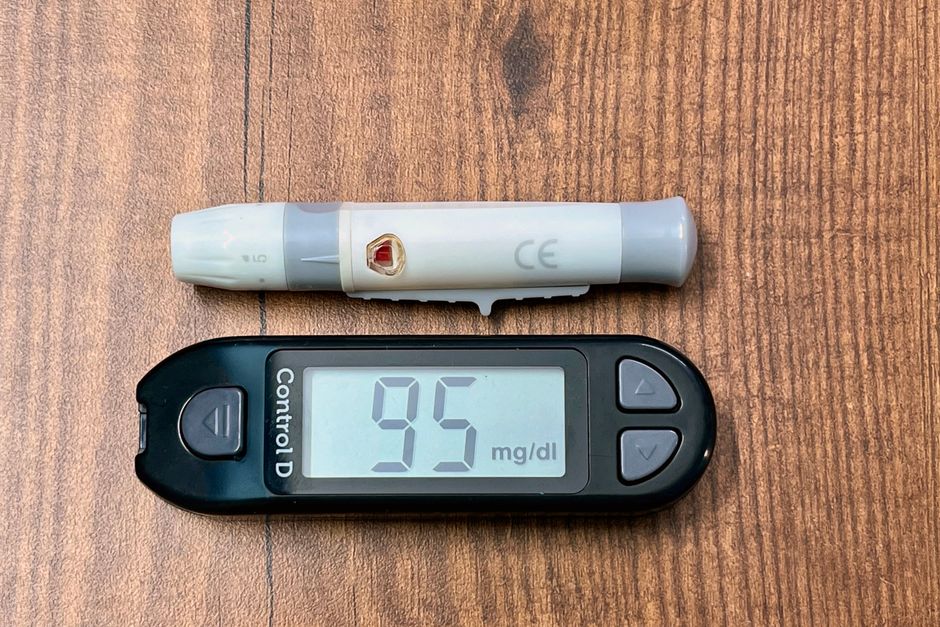
You should still use a fingerstick meter to confirm a reading before making a treatment decision, especially if the sensor reading does not match how you feel. This is standard advice for all CGM systems. The sensor is a guidance tool, not the final word.
What Do the Arrows and Graphs Mean?
The trend arrows are one of the most useful features of the Libre 3. A horizontal arrow means your glucose is stable, changing by less than 1 mg/dL per minute. A single arrow pointing up or down means your glucose is slowly rising or falling. Two arrows pointing up or down mean your glucose is changing rapidly.
The graph shows your glucose over the last 8 hours. The shaded area on the graph represents the target range, which you and your doctor can set. Typically this range is between 70 and 180 mg/dL, but your personal target may differ.
Understanding the graph is more valuable than looking at a single number. A reading of 150 mg/dL is different if you are trending upward from 100 than if you are trending downward from 200. The arrows and graph give you that context, which helps you make better decisions about food, activity, and medication.
How Do You Set Up and Use the Libre 3?
Setting up the Libre 3 takes a few minutes. You clean the back of your upper arm, press the applicator against your skin, and push a button. The sensor inserts automatically. You then scan the sensor with your phone or reader to activate it.
The sensor has a 1-hour warm-up period after insertion. During this time, the sensor is calibrating and no readings are available. After the warm-up, readings begin automatically. There is no need to scan the sensor to get a reading, which is a difference from earlier Libre models.
You can wear the sensor while showering, swimming, or exercising. It is water-resistant, but not designed for prolonged submersion. The sensor stays on your arm for 14 days, then you remove it and apply a new one.
Who Should Use the Libre 3?
The Libre 3 is primarily designed for people with diabetes. It is approved for adults and children with diabetes who need to monitor their glucose regularly. Many doctors recommend CGM for people with type 1 diabetes, and it is increasingly used by people with type 2 diabetes who take insulin.
Some people without diabetes use CGM systems to track how their body responds to different foods. This is a growing trend, but the evidence for benefit in people without diabetes is limited. If you do not have diabetes, a CGM can show you how your glucose responds to meals, but there is no established clinical guidance on what to do with that information.
If you are considering a CGM for reasons other than diabetes management, talk to your doctor first. They can help you understand whether the data will be useful and how to interpret it correctly. The device is a medical tool, and its data is most meaningful when interpreted with clinical context.
What Are the Limitations of the Libre 3?
The Libre 3 does not measure blood glucose directly. It measures interstitial fluid glucose, which is slightly delayed. This means the sensor may not catch the absolute lowest or highest point of a rapid glucose swing.
The sensor can also be affected by pressure. Sleeping on the sensor can cause false low readings. This is called a compression artifact. If you get a low reading that does not match how you feel, press on the sensor area or reposition yourself and check again.
Some medications and conditions can affect the accuracy of the sensor. High doses of vitamin C or aspirin can interfere with the readings, though this is uncommon at typical doses. If you take supplements or medications regularly, mention this to your doctor.
The cost can also be a limitation. The sensor is a prescription device, and not all insurance plans cover it. Without coverage, the out-of-pocket cost can be significant. Check with your insurance provider to understand your coverage before starting.
How Does the Libre 3 Compare to Other CGM Systems?
The Libre 3 is one of several CGM systems available. The main alternatives are the Dexcom G6 and G7 and the Medtronic Guardian system. All of these systems measure interstitial fluid glucose and provide continuous readings, but they differ in sensor wear time, accuracy, and cost.
The Libre 3 has a 14-day wear time, which is longer than most competitors. It is also typically less expensive than other CGM systems. The Dexcom systems offer real-time readings that can be shared with caregivers, which may be useful for parents of children with diabetes.
The choice between systems depends on your individual needs, your insurance coverage, and your doctor’s recommendation. All of them are effective tools for managing diabetes, and the best system is the one you will actually use consistently.
Frequently Asked Questions
Do I still need to do fingerstick blood tests with the Libre 3?
You need a fingerstick test if the sensor reading does not match how you feel or before making a treatment decision during rapid glucose changes. The Libre 3 is accurate, but it measures interstitial fluid, not blood, so a fingerstick is still the reference standard.
How long does the Libre 3 sensor last?
The sensor lasts for 14 days before you need to replace it. After that, the sensor stops working and you apply a new one to a different spot on your arm.
Is the Libre 3 painful to insert?
Most people describe the insertion as a brief, mild pinch. The filament is very thin, and the insertion is automated with a spring-loaded applicator, so it is quick and generally well tolerated.
Can I shower or swim while wearing the Libre 3?
Yes, the sensor is water-resistant and can be worn while showering or swimming. It is not designed for prolonged submersion, so avoid wearing it for long periods underwater.
