
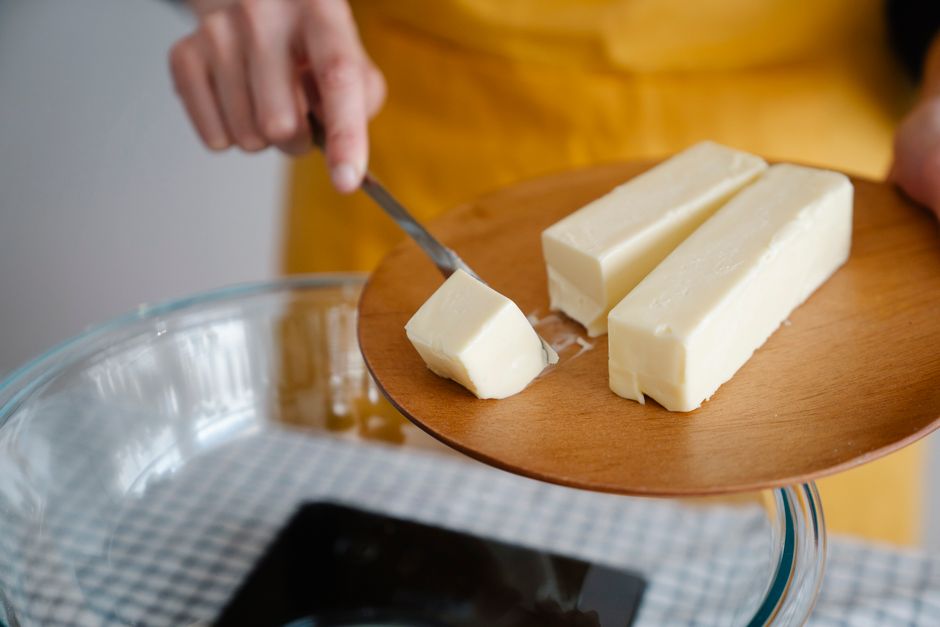
Butter is one of the most common sources of dietary cholesterol in the American diet. A single tablespoon of regular salted butter contains about 31 milligrams of cholesterol. That is roughly 10 percent of the recommended daily limit for a person eating 2,000 calories per day. The bigger story, however, is not just the cholesterol itself but the type of fat butter provides and how your body actually processes it.
How Much Cholesterol Is In Butter Compared To Other Foods?
Butter’s cholesterol content sits in the middle of the pack compared to other animal products. A single large egg contains about 186 milligrams of cholesterol, nearly all of it in the yolk. A three-ounce serving of cooked shrimp contains roughly 166 milligrams. A three-ounce serving of beef steak contains about 75 milligrams.
When you measure by weight, butter is relatively high in cholesterol. But people rarely eat butter in large quantities. Most people use one to two tablespoons at a time, which translates to roughly 31 to 62 milligrams of cholesterol.
Margarine, often marketed as a heart-healthy alternative, contains no cholesterol at all because it is made from plant oils. That does not automatically make it healthier. Some margarines contain trans fats, which raise LDL cholesterol more than dietary cholesterol does. Always check the label for partially hydrogenated oils.
How Butter Affects Your Blood Cholesterol Levels
Dietary cholesterol does not directly translate to blood cholesterol. Your liver produces about 80 percent of the cholesterol found in your bloodstream. Only about 20 percent comes from the food you eat. When you consume more dietary cholesterol, your liver typically compensates by producing less.
This compensation is not perfect. Some people are more sensitive to dietary cholesterol than others. For these individuals, eating high-cholesterol foods can noticeably raise blood cholesterol levels.
The saturated fat in butter has a more direct effect on blood cholesterol than the cholesterol itself. Butter is about 63 percent saturated fat. Saturated fat raises LDL cholesterol, the type associated with increased heart disease risk. Research consistently shows that replacing saturated fats with unsaturated fats lowers LDL cholesterol more effectively than simply reducing dietary cholesterol intake.
One tablespoon of butter contains about 7 grams of saturated fat. The American Heart Association recommends limiting saturated fat to about 13 grams per day for a 2,000-calorie diet. A single tablespoon of butter provides more than half of that daily allowance.
What Current Research Says About Butter And Heart Disease
Large observational studies have produced mixed results regarding butter and heart disease. Some research suggests that moderate butter consumption is not strongly associated with increased heart disease risk. Other studies indicate a modest association, particularly when butter replaces healthier fats.
The context matters enormously. Spreading butter on whole-grain toast is different from eating butter inside a croissant made with refined white flour and added sugar. The overall dietary pattern influences health outcomes more than any single ingredient.
One consistent finding across research is that replacing butter with plant-based oils improves cardiovascular risk markers. Olive oil, canola oil, and avocado oil contain monounsaturated and polyunsaturated fats that lower LDL cholesterol. The evidence supporting this substitution is strong and consistent.
Recent research has challenged the idea that all saturated fats behave identically. Dairy fats, including those in butter, may have different effects than fats from red meat. Some studies suggest that fermented dairy products like yogurt and cheese may be neutral or even beneficial for heart health. Butter has not shown the same protective associations.





Is The Cholesterol In Butter Harmful For Everyone?
No. Healthy individuals without existing heart disease, diabetes, or high cholesterol can typically include butter in moderation without significant concern. The key word is moderation.
People with certain medical conditions need to be more careful. Those with familial hypercholesterolemia, a genetic condition causing extremely high LDL levels, should minimize dietary cholesterol and saturated fat. People with diabetes also tend to be more sensitive to dietary cholesterol. The same applies to anyone with established cardiovascular disease.
Current dietary guidelines no longer set a strict upper limit for dietary cholesterol. The previous recommendation of no more than 300 milligrams per day was removed from the Dietary Guidelines for Americans because the evidence linking dietary cholesterol to blood cholesterol was weaker than once believed.
That change does not mean dietary cholesterol is irrelevant. It means the focus shifted toward limiting saturated fat and trans fat, which have stronger effects on heart disease risk. Butter contains both saturated fat and cholesterol, so it still warrants attention in a heart-healthy diet.
How Much Butter Can You Safely Eat Per Day?
No clinical guideline specifies a safe daily amount of butter. Recommendations focus on saturated fat limits instead. For most adults, keeping saturated fat below 10 percent of daily calories is a reasonable target. That equals about 22 grams of saturated fat per day on a 2,000-calorie diet.
Using that framework, one to two tablespoons of butter per day can fit within a balanced diet if the rest of your saturated fat intake is low. Three or more tablespoons daily would likely push most people past recommended limits.
Individual tolerance varies. Some people can consume butter regularly without significant changes in their blood cholesterol. Others see noticeable increases in LDL cholesterol even with modest intake. The only way to know your personal response is to have your cholesterol checked and adjust your diet accordingly.
If you have been told you have high cholesterol, ask your doctor whether dietary changes alone are appropriate or whether medication is also needed. Dietary changes can lower LDL cholesterol by roughly 5 to 10 percent in many people. That is meaningful but often insufficient for those with significantly elevated levels.
Healthier Alternatives To Butter
Replacing butter with unsaturated plant oils is one of the most evidence-based dietary changes for heart health. Olive oil, avocado oil, and canola oil all provide beneficial fats without cholesterol or significant saturated fat.
For spreading on bread, consider these options:
- Olive oil drizzled on bread instead of butter
- Avocado mashed as a spread
- Nut butters like almond or peanut butter
- Hummus or other bean-based spreads
For baking, the substitution is more complicated. Butter provides structure, moisture, and flavor that oils cannot fully replicate. Applesauce, mashed banana, and Greek yogurt can replace some or all of the butter in certain recipes, but results vary by recipe type.
If you choose to keep butter in your diet, consider grass-fed butter. It contains slightly more omega-3 fatty acids and conjugated linoleic acid than conventional butter. The practical health difference is small, but some people prefer the nutritional profile.
Ghee, or clarified butter, has the same fat content as regular butter but no milk solids. It is suitable for people with dairy sensitivities but offers no meaningful advantage for cholesterol management.
Practical Tips For Using Butter Wisely
Measuring butter matters. Many people underestimate how much they actually use. One tablespoon of butter is roughly the size of your thumb. Two tablespoons is about the size of a golf ball.
Using a small amount of butter for flavor while cooking vegetables or eggs is different from using it as a primary cooking fat. Sautéing vegetables in a teaspoon of butter with a splash of olive oil can provide flavor with less saturated fat.
Be aware of hidden butter in restaurant foods, baked goods, and processed products. Croissants, pastries, sauces, and many prepared dishes contain significant amounts of butter that are easy to overlook.
Frequently Asked Questions
Does butter raise your cholesterol?
Butter can raise LDL cholesterol because it is high in saturated fat, not primarily because of its dietary cholesterol content. The effect varies by person, and some individuals are more sensitive to saturated fat than others.
How much cholesterol is in one tablespoon of butter?
One tablespoon of regular butter contains about 31 milligrams of cholesterol. It also contains roughly 7 grams of saturated fat, which has a greater impact on blood cholesterol levels.
Is it okay to eat butter every day?
Eating one to two tablespoons of butter daily can fit within a balanced diet if your overall saturated fat intake stays low. People with high cholesterol, diabetes, or heart disease should be more conservative and consult their doctor.
Is margarine better than butter for cholesterol?
Margarine contains no dietary cholesterol, but some types contain trans fats that raise LDL cholesterol. Choose margarine with liquid plant oil as the first ingredient and no partially hydrogenated oils if you prefer it over butter.
