
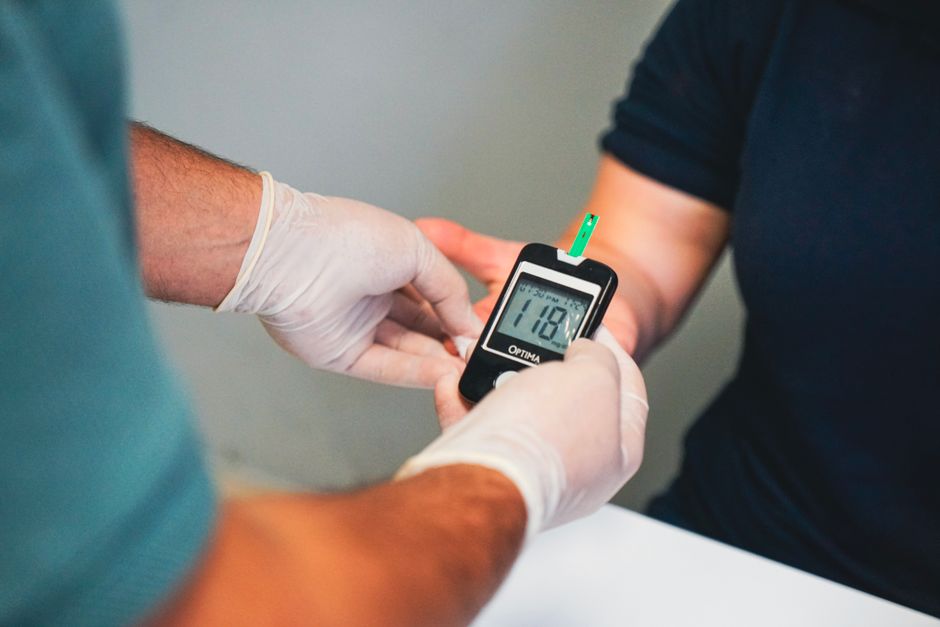
Alcohol can lower blood sugar, raise it, or leave it nearly unchanged — the result depends on how much you drink, what you mix it with, and whether you’ve eaten. For most healthy adults, a single drink with food causes only a small, temporary change. The bigger concern is for people with diabetes, especially those who take insulin or certain other medications, because alcohol can cause delayed low blood sugar hours after drinking.
Here’s the short version of the physiology. Your liver normally releases glucose into your bloodstream between meals to keep levels steady. When you drink alcohol, the liver prioritizes breaking down the alcohol instead. That can pause glucose release, and blood sugar may drift downward. This is why alcohol’s effect on blood sugar is not simple, and why timing matters as much as the drink itself.
How Does Alcohol Affect Blood Sugar?
Alcohol affects blood sugar mainly by changing what your liver does. Under normal conditions, the liver stores glucose as glycogen and releases it in small amounts to hold blood sugar steady, particularly overnight and between meals.
When alcohol enters the bloodstream, the liver shifts its attention to processing it. The body treats alcohol as a substance it needs to clear. While the liver is busy with that job, its release of glucose slows or stops. If you haven’t eaten recently, or if you take a medication that lowers blood sugar, levels can fall more than usual.
This effect is not the same for everyone. Three things change the outcome:
- Food in your stomach. Eating slows how fast alcohol is absorbed and gives the body another source of glucose.
- Your medications. Insulin and some diabetes drugs already lower blood sugar. Alcohol adds to that effect.
- How much and how fast you drink. A larger amount of alcohol produces a stronger liver effect.
There is also a second, opposite effect. Many alcoholic drinks contain carbohydrates — beer, sweet wine, cider, and cocktails mixed with juice or soda. Those carbs can push blood sugar up in the short term, even as the alcohol is pulling it down later. That is the core reason alcohol’s effect on blood sugar can look confusing.
Why Can Alcohol Cause Low Blood Sugar Hours Later?
Delayed low blood sugar is the most important risk from drinking alcohol, and it can happen many hours after the last drink. This is well established in clinical literature and is a recognized concern in diabetes care.
The delay comes from how the liver works. After you stop drinking, your body still has to clear the remaining alcohol. During that time, the liver’s glucose release stays suppressed. If you drank in the evening, the risk window can stretch into the night and early morning, when blood sugar naturally tends to be lower anyway.
This is why some clinicians advise people who take insulin or certain diabetes medications to check blood sugar before bed after drinking, and to eat a snack if needed. That guidance reflects the well-documented delayed effect, not a theoretical one.
A separate danger is that low blood sugar and intoxication can look alike. Both can cause confusion, drowsiness, slurred speech, and unsteadiness. When someone has been drinking, others may assume they are simply drunk when their blood sugar is actually dangerously low. This is a real and recognized problem, and it is one reason low blood sugar after drinking can go unrecognized.
Does Alcohol Raise Blood Sugar?
Alcohol can raise blood sugar, but usually through the carbohydrates in the drink rather than the alcohol itself. Pure alcohol, on its own, tends to lower blood sugar. The sugar comes from what the alcohol is made with or mixed with.
Drinks vary widely in carbohydrate content. Some examples, based on standard food composition data:
- Regular beer contains carbohydrates from the grain used to brew it.
- Sweet wines and dessert wines carry more sugar than dry wines.
- Cider and many pre-mixed drinks are often high in sugar.
- Cocktails mixed with fruit juice, regular soda, or syrup can add a large amount of carbohydrate.
- Distilled spirits such as vodka, whiskey, and gin contain essentially no carbohydrate on their own.
So a vodka soda has almost no carbs, while a rum and cola or a sweet cocktail can carry a meaningful carbohydrate load. The alcohol in both still acts on the liver. That combination — a short-term rise from carbs followed by a longer-term fall from the alcohol — is what makes blood sugar unpredictable after drinking.





How Does Alcohol Affect Blood Sugar in People With Diabetes?
For people with diabetes, alcohol carries more risk than it does for the general population, and the risk is highest for those who use insulin or medications that can cause low blood sugar. This is a consistent position across diabetes clinical guidance.
The reasons are straightforward. Insulin and drugs in the sulfonylurea class lower blood sugar by design. Alcohol adds its own blood-sugar-lowering effect by suppressing liver glucose release. Together, the two can push levels lower than either would alone, and the effect can be delayed for hours.
Not all diabetes medications carry the same risk. Some drugs, such as metformin, do not typically cause low blood sugar on their own. Others carry a clear risk. This is why the specific medication matters, and why general advice about alcohol and diabetes does not apply equally to everyone.
People with diabetes who choose to drink are generally advised to do so with food, to check blood sugar more often around drinking, and to be aware that the low can come late. The evidence strongly supports the delayed low blood sugar risk. What varies is how much any one person is affected, which depends on their medications, how much they drink, and whether they’ve eaten.
What Raises the Risk of Alcohol-Related Blood Sugar Problems?
The biggest risk factors for alcohol-related blood sugar problems are drinking on an empty stomach, taking blood-sugar-lowering medication, and drinking heavily. Each one amplifies the others.
Drinking without food removes the glucose buffer that eating provides. Taking insulin or certain diabetes drugs adds a second force pulling blood sugar down. Drinking a large amount of alcohol keeps the liver occupied longer, extending the window of suppressed glucose release.
Other factors matter too. Strenuous exercise can lower blood sugar and may add to the effect when combined with drinking. Poor sleep and irregular eating can also shift blood sugar. And the symptoms of low blood sugar can be masked by alcohol, so the problem may not be noticed until it is more serious.
One point worth stating plainly: the evidence that heavy drinking is harmful for blood sugar control is strong. Claims that light drinking is protective for blood sugar are much weaker and have been debated in the research literature for years. It is not accurate to describe alcohol as good for blood sugar. At best, the effects of light drinking are small and inconsistent, and they do not justify starting to drink.
How Can You Reduce the Effect of Alcohol on Blood Sugar?
The most reliable way to reduce alcohol’s effect on blood sugar is to eat when you drink, limit how much you drink, and choose drinks with less sugar. These steps are widely recommended in diabetes care, and they follow directly from how alcohol affects the liver.
Practical steps that align with that guidance:
- Eat a meal or snack that contains carbohydrate before or while drinking.
- Choose drinks with little added sugar, such as dry wine or spirits mixed with soda water.
- Avoid drinking heavily or drinking quickly.
- Check blood sugar before bed if you use insulin or a medication that can cause low blood sugar.
- Keep a source of fast-acting sugar nearby if you take medications that can cause low blood sugar.
For people who use insulin or certain diabetes medications, some clinicians recommend checking blood sugar more often for several hours after drinking, including overnight. That is a reasonable precaution given the delayed effect, though the exact timing and frequency should come from your own care team, since it depends on your medications and history.
No specific safe amount of alcohol has been established for people with diabetes. Guidance generally advises caution rather than a defined limit, and for some people — including those with a history of low blood sugar or certain other conditions — avoiding alcohol may be the safer choice. That decision is best made with a clinician who knows your situation.
Frequently Asked Questions
Does alcohol lower blood sugar?
Yes, alcohol can lower blood sugar because it causes the liver to pause its normal release of glucose. The effect can be delayed and may appear hours after drinking, especially if you drank without eating.
Can I drink alcohol if I have diabetes?
Many people with diabetes can drink in moderation, but the risk of low blood sugar is real, particularly for those who use insulin or certain other medications. Talk with your care team about whether and how much is safe for you.
Why does my blood sugar drop after drinking alcohol?
Your liver normally releases glucose to keep blood sugar steady, but it stops doing that while it processes alcohol. With that release paused, blood sugar can fall, and the drop may not show up until several hours later.
What is the best alcohol to drink if you have diabetes?
Drinks with little added sugar, such as dry wine or spirits mixed with soda water, tend to affect blood sugar less than sweet cocktails or sugary mixed drinks. No alcoholic drink is risk-free for blood sugar, so food and monitoring still matter.
