
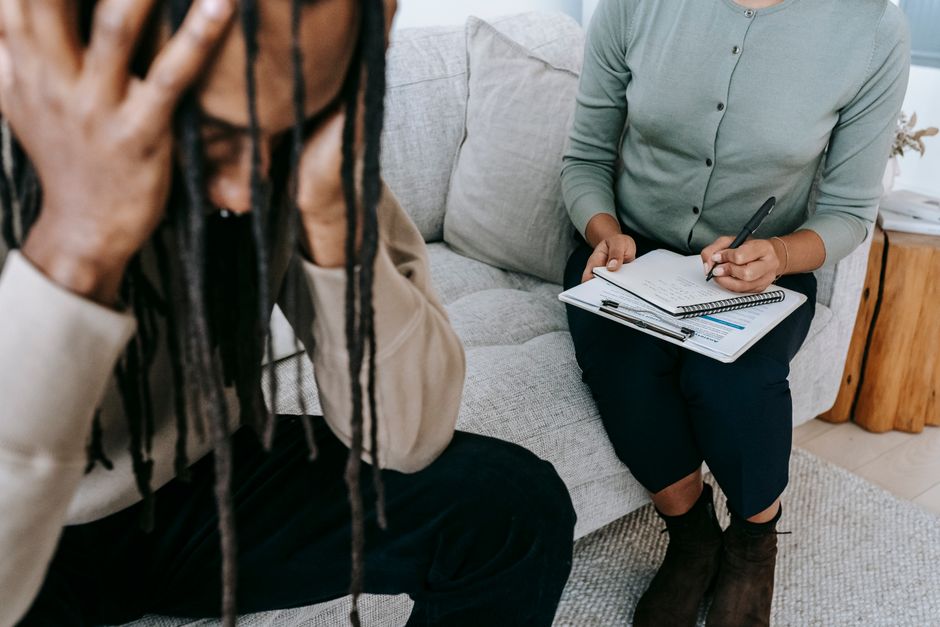
Severe anxiety in older adults is treated with a combination of therapy, medication, and lifestyle changes tailored to their specific health needs. The most effective approach usually starts with a doctor’s evaluation to rule out medical causes like heart conditions or medication side effects. Treatment often includes cognitive behavioral therapy (CBT) and, when needed, carefully prescribed medications like SSRIs that are safer for older bodies. The goal is not to eliminate all worry, but to reduce its power so daily life becomes manageable again.
What Causes Severe Anxiety in Older Adults?
Anxiety in the elderly is rarely just “nerves.” It often has real physical and social roots that get overlooked. The CDC reports that about 20% of adults aged 55 or older experience some type of mental health concern, with anxiety being one of the most common. But many cases go untreated because people mistake the symptoms for aging or physical illness.
Common causes include chronic health conditions like heart disease, diabetes, or chronic pain. These conditions create constant physical stress that can trigger or worsen anxiety. Medication side effects are another major factor. Certain blood pressure drugs, steroids, and even over-the-counter cold medicines can cause anxiety-like symptoms. A study in the Journal of the American Geriatrics Society found that older adults taking three or more medications had significantly higher rates of anxiety.
Life changes also play a big role. Losing a spouse, retiring, moving to a care facility, or losing independence can create a sense of uncertainty that feeds anxiety. Social isolation is especially damaging. Research from the National Institute on Aging shows that loneliness increases the risk of severe anxiety by nearly 30% in people over 65. The brain needs social connection to regulate stress hormones, and without it, anxiety can spiral.
How Do You Treat Severe Anxiety In The Elderly with Therapy?
Therapy is the first-line treatment for severe anxiety in older adults, and it works. Cognitive behavioral therapy (CBT) has the strongest evidence. A 2021 meta-analysis in JAMA Psychiatry found that CBT reduced anxiety symptoms in older adults by an average of 50% compared to no treatment. CBT helps people identify and change thought patterns that keep anxiety going. It is practical and short-term, usually 8 to 16 sessions.
There are also therapy approaches specifically adapted for older adults. Problem-solving therapy focuses on real-life challenges like managing finances or health decisions. It is less about talking through feelings and more about finding concrete solutions. Acceptance and commitment therapy (ACT) helps people live with uncertainty instead of fighting it. This can be especially helpful for older adults facing health decline or loss.
Therapy works best when the therapist has experience with older patients. They understand that cognitive changes like slower processing speed or memory issues are not barriers to therapy, they just need a slower pace and more repetition. Some therapists offer sessions in the home or over video, which removes transportation barriers for seniors who cannot drive.
What Medications Are Safe for Severe Anxiety in the Elderly?
Medication can be effective but requires caution. Older bodies process drugs differently. The liver and kidneys slow down, so medications stay in the system longer and can build up to dangerous levels. The American Geriatrics Society publishes the Beers Criteria, a list of medications that are potentially inappropriate for older adults. Many common anxiety drugs are on it.
SSRIs are the safest and most studied option. Drugs like sertraline (Zoloft) and escitalopram (Lexapro) are first-line choices. They take 4 to 6 weeks to work fully and have fewer side effects than older drugs. The starting dose is usually half the standard adult dose. A study in The New England Journal of Medicine confirmed that SSRIs are effective for generalized anxiety disorder in adults over 65 with proper dosing.
Benzodiazepines like Xanax and Valium are generally not recommended. They increase fall risk, cause confusion, and can lead to dependence. The Beers Criteria strongly advises against them for older adults. Yet many seniors still get prescribed these drugs. If a benzodiazepine is absolutely necessary, it should be short-acting and used for less than two weeks. Buspirone is another option that is less sedating and has fewer interactions, though it works best for generalized anxiety rather than panic attacks.
| Medication Type | Examples | Safety for Elderly | Key Concern |
|---|---|---|---|
| SSRIs | Sertraline, Escitalopram | First-line safe | Slow onset, nausea |
| SNRIs | Duloxetine, Venlafaxine | Generally safe | Blood pressure effects |
| Buspirone | Buspar | Safe, less sedation | Works best for GAD |
| Benzodiazepines | Alprazolam, Diazepam | Avoid in most cases | Fall risk, dependence |





What Lifestyle Changes Actually Help Reduce Severe Anxiety?
Lifestyle changes are not a replacement for therapy or medication, but they can significantly reduce symptoms when done consistently. The evidence is strongest for physical activity. A 2020 study in Frontiers in Psychiatry found that even 20 minutes of walking three times a week reduced anxiety scores by 30% in adults over 65. Movement lowers cortisol and releases endorphins. It does not have to be intense. Chair exercises, gardening, or gentle yoga all work.
Sleep is another critical factor. Anxiety and poor sleep feed each other. Older adults often have trouble staying asleep, which worsens anxiety the next day. Good sleep habits include going to bed at the same time, avoiding caffeine after noon, and keeping the bedroom cool and dark. If sleep problems persist, a doctor should check for sleep apnea, which is common in seniors and directly linked to anxiety.
Social connection is not a soft recommendation, it is a biological need. Regular phone calls, group activities, or even volunteering can lower anxiety. A study from the University of California, San Francisco found that older adults with strong social networks had 40% lower rates of anxiety over a five-year period. If mobility is limited, online groups or senior center programs can help. The key is consistency, not intensity.
Common Misconceptions About Treating Anxiety in the Elderly
One of the biggest myths is that anxiety is just part of getting old. It is not. The American Psychological Association states that anxiety disorders are not a normal part of aging. They are treatable conditions. Another misconception is that older adults cannot benefit from therapy because they are “set in their ways.” Research shows the opposite. Older adults often have more motivation to change because they want to enjoy their remaining years without suffering.
Some people believe that treating anxiety with medication is too risky for seniors. While caution is needed, not treating anxiety is riskier. Untreated severe anxiety increases the risk of heart attacks, stroke, and cognitive decline. A 2018 study in Stroke found that older adults with untreated anxiety had a 40% higher risk of stroke. The risk of medication side effects is real, but it can be managed with careful monitoring and low starting doses.
Another false belief is that talking about anxiety will make it worse. This is widely claimed though strong evidence is limited. In fact, avoiding the topic usually makes anxiety more powerful. Open conversations with family and doctors reduce shame and increase treatment success. Many older adults grew up in a time when mental health was not discussed. Breaking that silence is one of the most helpful steps a family can take.
What to Avoid When Treating Severe Anxiety in Older Adults
Avoid dismissing the anxiety as “just stress” or telling someone to “calm down.” That approach invalidates the person’s experience and can make them withdraw from help. Also avoid starting multiple medications at once. Older adults are more sensitive to drug interactions. Any change should be made one at a time with at least two weeks between adjustments. This makes it clear what is working and what is causing side effects.
Do not rely on alcohol or over-the-counter sleep aids. Alcohol is a depressant that worsens anxiety in the long run. Many seniors use it to cope, but it disrupts sleep and interacts with medications. Over-the-counter antihistamines like diphenhydramine (Benadryl) are anticholinergic, meaning they block a brain chemical involved in memory. Long-term use is linked to dementia risk. The Beers Criteria lists them as potentially inappropriate for older adults.
Do not assume that severe anxiety means dementia. Symptoms of severe anxiety can mimic early dementia, including confusion, memory problems, and agitation. This is called pseudo-dementia. Treating the anxiety often reverses these cognitive symptoms. A thorough medical evaluation is essential before labeling someone with dementia. Many older adults have been misdiagnosed when the real problem was treatable anxiety.
Frequently Asked Questions
Can severe anxiety in the elderly be cured?
Severe anxiety can be effectively managed and often significantly reduced, but it is usually a chronic condition that requires ongoing care rather than a one-time cure.
What is the safest anxiety medication for someone over 80?
SSRIs like sertraline or escitalopram at low starting doses are generally considered safest for people over 80, but a doctor must evaluate kidney and liver function first.
How long does it take for anxiety treatment to work in older adults?
Therapy can show improvement within 6 to 12 sessions, while SSRIs typically take 4 to 6 weeks to reach full effect, with some benefit seen earlier.
Is it safe to stop benzodiazepines suddenly in an elderly person?
No, stopping benzodiazepines suddenly can cause dangerous withdrawal symptoms including seizures and should only be done with a doctor’s supervised tapering plan.
