
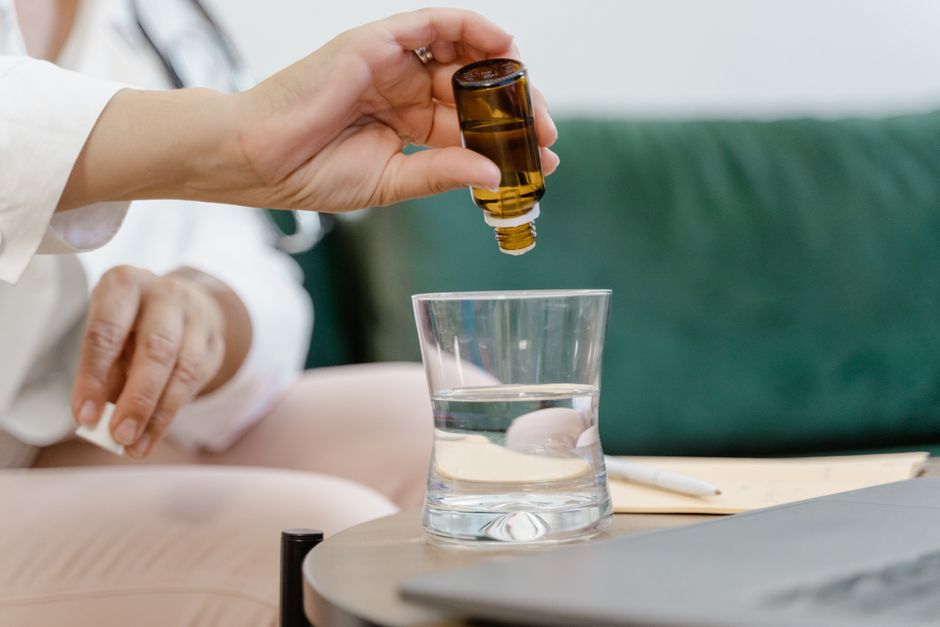
Essential oils like lavender, chamomile, and bergamot are the most studied options for stress and anxiety relief. Research indicates these oils can influence the nervous system when inhaled, though they work best as a complement to other anxiety management strategies rather than a replacement for professional care.
How Do Essential Oils Affect Stress and Anxiety?
When you inhale essential oils, the scent molecules travel through the olfactory system. This system connects directly to the amygdala, the brain region that processes emotions and stress responses. That direct pathway is why smells can trigger memories and mood changes so quickly.
Some research suggests certain oils also interact with the limbic system and may influence neurotransmitters like serotonin and dopamine. These are the same chemicals that many anti-anxiety medications target, which helps explain the calming effects some people experience.
However, the evidence is not uniform. Some studies show measurable reductions in stress markers like cortisol levels and heart rate. Other studies show minimal effects beyond what a placebo produces. The scent itself, and your personal association with it, may account for part of the benefit.
What Are the Best Essential Oils for Stress Relief?
Lavender is the most extensively researched essential oil for anxiety. Multiple studies have examined its effects on sleep quality, preoperative anxiety, and general stress. The evidence consistently points toward modest calming effects, particularly when used for short-term situational stress.
Chamomile is another well-documented option. Roman chamomile and German chamomile both contain compounds that appear to have mild sedative properties. Some research has compared chamomile extract to conventional anti-anxiety medication with comparable results, though essential oil studies are less extensive.
Bergamot is a citrus oil that has gained attention in recent years. Some studies suggest it can reduce stress responses when inhaled. The evidence is promising but less established than lavender or chamomile.
Other oils commonly recommended include:
- Ylang-ylang, which some research links to reduced blood pressure and heart rate
- Frankincense, often used in meditation practices
- Clary sage, which may influence stress hormone levels
- Rose, which some studies suggest has anxiolytic properties
- Sweet orange, which may reduce anxiety in dental and medical settings
Keep in mind that individual responses vary. An oil that calms one person may not affect another. Personal preference matters when choosing an oil for stress relief.
What Does the Research Actually Show?
The strongest evidence exists for lavender. A 2017 review published in the journal Frontiers in Psychology examined multiple trials and found that lavender had modest but consistent effects on anxiety reduction. Some hospital studies have shown that lavender inhalation reduces preoperative anxiety in surgical patients.
Chamomile has solid evidence as an oral supplement, but the research on chamomile essential oil specifically is thinner. The oil form may work differently than the extract taken as a capsule or tea.
Bergamot research is growing. A 2020 study in the journal Evidence-Based Complementary and Alternative Medicine found that bergamot inhalation reduced anxiety in women awaiting surgery. Larger studies are still needed to confirm these findings.
Some research indicates that the effects of essential oils on anxiety are modest. They are not equivalent to prescription medications for generalized anxiety disorder or panic disorder. For mild situational stress, however, they may provide meaningful relief.
It is also worth noting that the quality of research varies. Many studies are small, use different methods, and rely on self-reported anxiety levels rather than objective measures. This makes direct comparisons across studies difficult.



How Should You Use Essential Oils for Anxiety?
Inhalation is the most common and best-supported method. You can add a few drops to a diffuser, place a drop on a tissue and breathe it in, or use a personal inhaler. The effects typically begin within minutes and last for a shorter period than oral treatments.
Diluted topical application is another option. Essential oils should always be mixed with a carrier oil like coconut, jojoba, or sweet almond oil before applying to the skin. A typical dilution is 3 to 5 drops of essential oil per tablespoon of carrier oil. Apply to pulse points like the wrists or neck.
A warm bath with a few drops of essential oil mixed into a carrier or dispersant can combine aromatherapy with the relaxing effects of warm water. Never add undiluted essential oils directly to bathwater, as they do not dissolve and can irritate the skin.
Massage with diluted essential oils may provide additional benefit. The combination of touch, warmth, and scent may enhance the relaxation response. Some research suggests that aromatherapy massage is more effective than inhalation alone for certain types of stress.
Consistency matters. Using an oil once during a stressful moment may help, but regular use over time may produce more reliable effects. Some people find that incorporating aromatherapy into a daily wind-down routine helps signal the body that it is time to relax.
Are There Safety Concerns You Should Know About?
Essential oils are concentrated plant compounds. They are potent and can cause harm if used improperly. Never ingest essential oils unless a qualified healthcare professional specifically recommends it. Many oils are toxic when swallowed.
Skin irritation is the most common adverse effect. Always dilute essential oils before applying to the skin. Test a small patch first to check for sensitivity. Citrus oils like bergamot and sweet orange can increase sun sensitivity, so avoid sun exposure on treated skin.
Some oils are not safe for certain populations. Pregnant women, people with asthma or respiratory conditions, and those with sensitive skin should consult a healthcare provider before using essential oils. No clinical guidelines exist for essential oil use during pregnancy, so caution is warranted.
Children and pets are more vulnerable to essential oil toxicity. Keep oils out of reach. Some oils, including tea tree and eucalyptus, can be dangerous for young children and pets even in small amounts.
If you have a diagnosed anxiety disorder, essential oils should not replace prescribed treatment. They may be a helpful addition to therapy or medication, but they are not a substitute. Discuss any complementary approaches with your healthcare provider.
What Are the Limitations of Aromatherapy?
Essential oils are not a cure for anxiety disorders. They may ease mild, situational stress, but they have not been shown to treat generalized anxiety disorder, panic disorder, or other clinical conditions on their own.
The placebo effect likely plays a role. If you believe lavender will calm you, it may calm you. That does not make the benefit less real, but it does mean the effect may not come from the oil itself.
Time frame matters. Aromatherapy effects are short-lived, typically lasting 20 to 30 minutes after inhalation. For ongoing anxiety, you may need repeated use throughout the day, which can be impractical.
Cost is another consideration. Quality essential oils are not cheap, and the ongoing expense of regular use adds up. Cheaper oils may be diluted or synthetic, which can reduce their effectiveness.
Some research has raised concerns about air quality when diffusing oils. Prolonged diffusion in small, poorly ventilated spaces may irritate the lungs. Use oils in well-ventilated areas and limit diffusion sessions to 30 to 60 minutes.
What Essential Oils Are Good For Stress And Anxiety?
The short answer is lavender, chamomile, and bergamot have the strongest research support. Lavender has the most evidence, with multiple studies showing modest anxiety-reducing effects. Chamomile and bergamot are reasonable second choices, though their research bases are smaller.
Ylang-ylang, frankincense, clary sage, rose, and sweet orange are commonly used, but the evidence for these is more limited. Some studies show benefit, but the research is not as consistent or extensive.
Choose an oil whose scent you genuinely enjoy. If you dislike the smell of lavender, it is unlikely to calm you regardless of what the research says. The scent itself can become a conditioned relaxation cue over time.
Consider combining aromatherapy with other evidence-based stress management techniques. Deep breathing, progressive muscle relaxation, and mindfulness meditation all have stronger research support for anxiety reduction than essential oils. Using oils alongside these practices may enhance the overall effect.
Frequently Asked Questions
How quickly do essential oils work for anxiety?
Inhaled essential oils typically produce effects within 5 to 10 minutes. The calming effect usually lasts 20 to 30 minutes after exposure ends.
Can I put essential oils directly on my skin?
No, essential oils should always be diluted with a carrier oil before topical application. Undiluted oils can cause skin irritation, burns, or allergic reactions.
Are essential oils safe to use every day?
Daily use is generally safe for most healthy adults when oils are properly diluted and used in well-ventilated spaces. If you have health conditions, are pregnant, or take medications, talk to your doctor first.
Do essential oils work for severe anxiety or panic attacks?
No clinical evidence confirms that essential oils alone can treat severe anxiety or panic attacks. They may provide mild comfort, but professional treatment is recommended for these conditions.
