
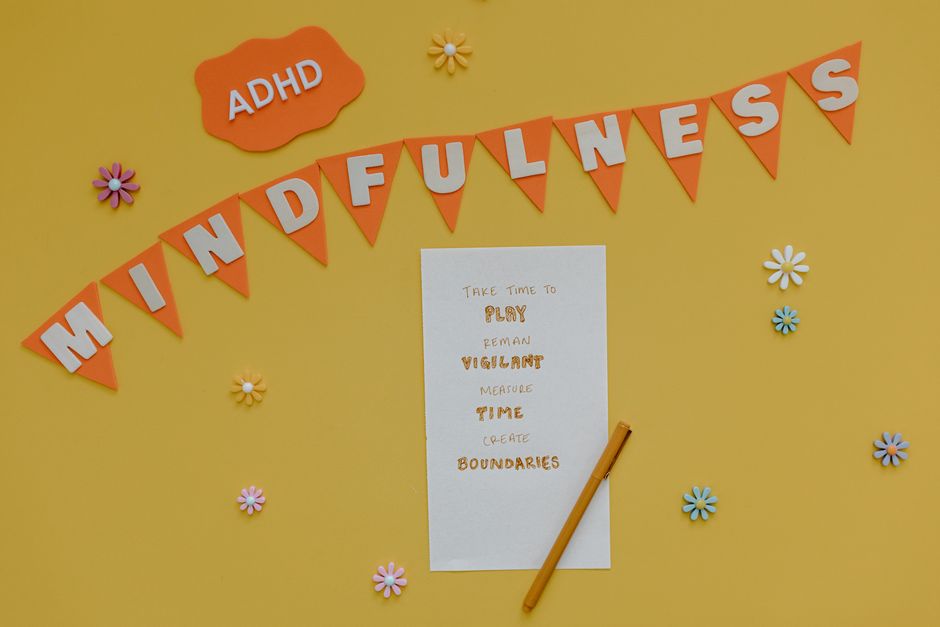
If you feel anxious most of the time but still manage to hold down a job, raise a family, and appear put together, you may have high functioning anxiety. The most proven methods to treat it are cognitive behavioral therapy (CBT), certain antidepressant medications, and structured lifestyle changes like regular exercise and better sleep. These treatments are backed by strong clinical evidence and can reduce both the inner distress and the hidden toll it takes on your health.
What Is High Functioning Anxiety?
High functioning anxiety is not a formal medical diagnosis. It is a term used to describe people who experience significant anxiety symptoms but appear successful and composed on the outside. You may worry constantly, overthink every decision, feel restless, or have trouble relaxing. At the same time, you meet deadlines, manage responsibilities, and may even excel at work and in social settings.
This pattern often goes unnoticed because the outward signs of anxiety are masked by high performance. But the internal experience can be exhausting. People with high functioning anxiety are at risk for burnout, sleep problems, and other health issues over time.
How To Treat High Functioning Anxiety Proven Methods?
The most proven treatments for high functioning anxiety are psychotherapy and medication. Cognitive behavioral therapy (CBT) has the strongest evidence. It helps you identify and change the thought patterns that fuel anxiety. Acceptance and commitment therapy (ACT) also has solid research support and may be especially helpful for those who overthink.
Antidepressant medications called SSRIs and SNRIs are the first-line drugs for anxiety disorders. They work by balancing brain chemicals and are not addictive. They are prescribed by a doctor and usually take several weeks to show full effect. Many people benefit from a combination of therapy and medication.
Lifestyle methods like regular aerobic exercise, consistent sleep schedules, and mindfulness meditation also have evidence for reducing anxiety. However, they are best used as part of a treatment plan, not as stand-alone solutions.
What Therapy Options Are Most Effective?
Cognitive behavioral therapy is the most studied and effective talk therapy for anxiety. It focuses on the link between thoughts, feelings, and actions. A therapist guides you to challenge irrational worries and gradually face situations you avoid. Research consistently shows that CBT produces lasting results, often within 8 to 20 sessions.
Acceptance and commitment therapy is another strong option. Instead of trying to eliminate anxious thoughts, ACT teaches you to observe them without judgment and act according to your values. This approach may be particularly useful if you tend to fight or suppress your anxiety. Some studies indicate ACT is as effective as CBT for anxiety disorders.
Both therapies can be done in person or through online programs. Look for a licensed therapist trained in these specific approaches.




When Is Medication Recommended?
Medication is typically recommended when anxiety symptoms are moderate to severe, or when therapy alone has not been enough. SSRIs like sertraline, fluoxetine, and escitalopram are the most common first-choice drugs. SNRIs like venlafaxine and duloxetine are also effective. These medications do not cure anxiety, but they reduce symptom intensity so that therapy and coping strategies work better.
Medication treatment should be started and managed by a psychiatrist or primary care provider. Side effects are common in the first few weeks — such as nausea, headache, or sleep changes — but often improve. It can take 4 to 8 weeks to know if a medication works. Some people may need to try more than one before finding the right fit.
Benzodiazepines like Xanax or Valium are sometimes prescribed for short-term relief, but they are not recommended for long-term use because of addiction risk. They are not considered a first-line treatment for high functioning anxiety.
What Lifestyle Changes Support Treatment?
Exercise is one of the most effective lifestyle changes for anxiety. Aerobic activity — such as brisk walking, running, swimming, or cycling — raises heart rate and triggers the release of endorphins. Some studies suggest that 30 minutes of moderate exercise most days can lower anxiety levels. Even short bursts of movement help.
Sleep quality strongly affects anxiety. Poor sleep makes anxiety worse, and anxiety disrupts sleep. Prioritizing a consistent bedtime, limiting screen time before bed, and avoiding caffeine late in the day can improve both sleep and anxiety symptoms.
Mindfulness meditation has growing evidence for anxiety reduction. It involves focusing on the present moment without judging your thoughts. Apps and guided programs can help you start. The effects are modest but real, and practicing daily for a few minutes builds benefit over time.
Avoid relying on alcohol, caffeine, or other substances to manage anxiety. Alcohol may provide short-term relief, but it worsens anxiety over the long run. Caffeine triggers physical symptoms — racing heart, jitteriness — that can mimic or amplify anxiety.
Understanding the Limits of Self-Help
Self-help books, podcasts, and online programs can be useful, but they are not substitutes for professional treatment. If your anxiety interferes with sleep, work, or relationships, or if you feel trapped by your own thoughts, seek help from a mental health professional. High functioning anxiety can be effectively treated, and you do not have to manage it alone.
Frequently Asked Questions
Does high functioning anxiety go away on its own?
Anxiety often persists without treatment. While some people may experience periods of improvement, high functioning anxiety usually requires active management to reduce long-term effects.
Can exercise alone treat high functioning anxiety?
Exercise can significantly reduce anxiety symptoms, but it is not considered a standalone treatment for moderate or severe anxiety. Combining exercise with therapy or medication produces the best results.
What is the first step to getting help for high functioning anxiety?
Start by talking to a primary care doctor or a licensed therapist. They can assess your symptoms, rule out other causes, and recommend a treatment plan that fits your needs.
Is high functioning anxiety a sign of weakness?
No. It is a common mental health condition that affects many high-achieving people. Seeking treatment is a sign of strength, not weakness.
