
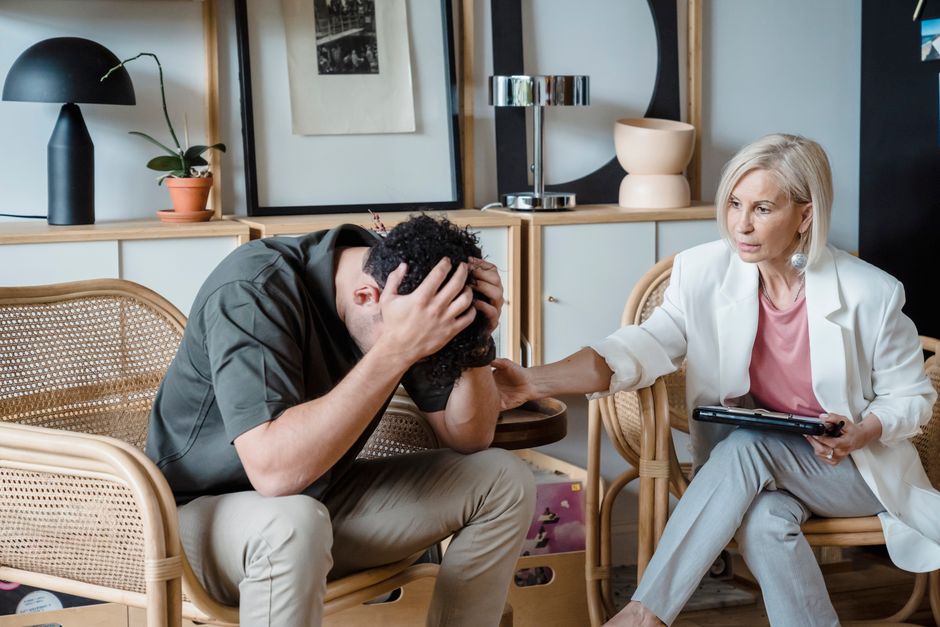
Chronic stress and anxiety are not the same thing, but they often feed each other. Stress is a response to external pressure, while anxiety is the worry that persists even when the pressure is gone. Treating both effectively requires a combination of proven therapies, lifestyle changes, and sometimes medication. Cognitive behavioral therapy (CBT), regular exercise, and mindfulness practices have the strongest research backing. The key is to stop looking for a single cure and start building a toolkit of strategies that work for your specific situation.
What Is the Difference Between Chronic Stress and Anxiety?
Stress is your body’s reaction to a demand or threat. It is a normal part of life. When you face a deadline, a difficult conversation, or a sudden danger, your body releases cortisol and adrenaline. This is the fight-or-flight response. It is designed to be short-term.
Chronic stress happens when that response stays turned on for weeks or months. Your body never gets the signal that the threat has passed. Over time, this wears down your immune system, disrupts sleep, and raises blood pressure. The CDC reports that chronic stress is linked to six of the leading causes of death, including heart disease and cancer.
Anxiety is different. It is a feeling of fear or dread about what might happen. It can occur without any clear external trigger. Generalized anxiety disorder (GAD) affects about 6.8 million adults in the United States, according to the Anxiety and Depression Association of America. People with GAD worry excessively about everyday things like health, money, or family, even when there is no reason for concern.
The two conditions overlap. Chronic stress can trigger an anxiety disorder. And anxiety makes it harder to cope with stress. Treatment often addresses both at the same time.
What Does Research Say About How To Treat Chronic Stress And Anxiety What Works?
Research is clear that no single treatment works for everyone. But some approaches have much stronger evidence than others. The most effective treatments fall into three categories: therapy, lifestyle changes, and medication.
Cognitive behavioral therapy is the gold standard for anxiety disorders. A 2018 meta-analysis in JAMA Psychiatry reviewed 41 studies and found that CBT significantly reduced anxiety symptoms compared to no treatment. CBT works by helping you identify and change thought patterns that fuel anxiety. It is not about positive thinking. It is about recognizing distorted thinking and testing whether your fears are realistic.
Exercise is one of the most underused treatments. A 2021 study in the Journal of Affective Disorders found that moderate to vigorous physical activity reduced anxiety symptoms by 20-30% in people with chronic stress. The effect was similar to some medications. Exercise works by burning off stress hormones and increasing endorphins. It also improves sleep, which is often disrupted by stress and anxiety.
Mindfulness-based stress reduction (MBSR) has solid research support. A 2014 review in JAMA Internal Medicine looked at 47 trials and found that mindfulness meditation programs improved anxiety and depression symptoms. The effect was moderate but consistent. MBSR teaches you to observe your thoughts without reacting to them. This reduces the automatic stress response over time.
What Medications Are Used for Chronic Stress and Anxiety?
Medication can be helpful for people with moderate to severe anxiety. It is not a first-line treatment for mild cases. The most common classes are SSRIs, SNRIs, and benzodiazepines. Each works differently and has different risks.
SSRIs (selective serotonin reuptake inhibitors) are usually the first choice. Drugs like sertraline (Zoloft) and escitalopram (Lexapro) increase serotonin levels in the brain. They take 4-6 weeks to work. A 2019 network meta-analysis in The Lancet compared 21 antidepressants and found that sertraline and escitalopram were among the most effective for anxiety disorders with fewer side effects than older drugs.
SNRIs (serotonin-norepinephrine reuptake inhibitors) like venlafaxine (Effexor) are another option. They target both serotonin and norepinephrine. They may work better for people who also have chronic pain or fatigue. Side effects include nausea, dizziness, and sexual dysfunction.
Benzodiazepines like Xanax and Valium work quickly for acute anxiety. But they are not recommended for long-term use. The FDA warns that they carry a risk of dependence, tolerance, and withdrawal. They should only be used for short periods or in specific situations, such as before a medical procedure.
Some people report benefits from natural supplements like ashwagandha or L-theanine. Strong evidence is limited. The National Center for Complementary and Integrative Health states that there is not enough reliable data to recommend ashwagandha for anxiety. If you are considering a supplement, talk to your doctor first. Some can interact with prescription medications.
| Treatment | Evidence Strength | Time to Effect | Common Side Effects |
|---|---|---|---|
| Cognitive Behavioral Therapy | Strong (multiple meta-analyses) | 4-12 weeks | None (may feel uncomfortable initially) |
| SSRIs (sertraline, escitalopram) | Strong (The Lancet meta-analysis) | 4-6 weeks | Nausea, insomnia, sexual dysfunction |
| Exercise (moderate to vigorous) | Strong (Journal of Affective Disorders) | 2-4 weeks | Muscle soreness, fatigue if overdone |
| Mindfulness-Based Stress Reduction | Moderate (JAMA Internal Medicine) | 8 weeks | None reported in studies |
| Ashwagandha | Weak (limited clinical evidence) | Unclear | Upset stomach, drowsiness |


What Lifestyle Changes Help the Most?
Sleep is the foundation. Chronic stress disrupts sleep, and poor sleep makes stress worse. It is a vicious cycle. Adults need 7-9 hours per night. The National Sleep Foundation recommends keeping a consistent sleep schedule, even on weekends. Avoid caffeine after 2 PM and screens for an hour before bed. If you cannot sleep, get out of bed and do something relaxing in dim light until you feel drowsy.
Diet matters more than most people realize. High sugar intake spikes cortisol. A 2019 study in the American Journal of Clinical Nutrition found that a diet high in refined carbohydrates was linked to higher anxiety scores. The Mediterranean diet, rich in vegetables, fruit, whole grains, and healthy fats, is associated with lower rates of anxiety and depression. Omega-3 fatty acids found in fish like salmon may also help reduce inflammation linked to stress.
Social connection is protective. Isolation increases cortisol levels. A 2017 study in the Journal of Health and Social Behavior found that people with strong social ties had lower stress responses to daily challenges. This does not mean you need a large circle. Even one or two trusted people you can talk to openly makes a difference.
Limit alcohol and caffeine. Alcohol is a depressant that disrupts sleep and increases anxiety the next day. Caffeine triggers the stress response. If you are prone to anxiety, consider cutting back to one cup of coffee in the morning or switching to green tea, which has less caffeine and contains L-theanine, an amino acid that promotes calm.
What Are Common Misconceptions About Treating Stress and Anxiety?
Many people believe that stress and anxiety are always bad. That is not true. Short-term stress can improve focus and performance. The problem is when it becomes chronic. The goal is not to eliminate all stress but to manage it so it does not overwhelm you.
Another misconception is that if you try one treatment and it does not work, nothing will. Treatment often requires trial and error. CBT may not work for everyone. One SSRI may cause side effects while another does not. A 2018 study in JAMA found that about 40% of people with anxiety do not respond to the first medication they try. That does not mean they are untreatable. It means they need a different approach.
Some people think that anxiety is just about willpower. This is harmful. Anxiety disorders are medical conditions with biological underpinnings. Telling someone to “just relax” or “think positive” is not helpful and can make them feel worse. Treatment requires real strategies, not platitudes.
There is also a belief that therapy takes too long or is too expensive. Many therapists offer sliding scale fees. Online platforms like BetterHelp and Talkspace provide lower-cost options. Some employers offer Employee Assistance Programs that include free short-term counseling. The average CBT course is 12-20 sessions, which is a few months. That is a short time to invest in a skill that can change your life.
How Do You Know When to Seek Professional Help?
Everyone feels stressed or anxious sometimes. It becomes a problem when it interferes with daily life. Signs that you need professional help include persistent worry that you cannot control, avoiding situations because of fear, trouble sleeping most nights, and physical symptoms like headaches or stomach problems that your doctor cannot explain.
If your stress or anxiety lasts more than two weeks and affects your work, relationships, or health, it is time to talk to someone. Start with your primary care doctor. They can rule out medical causes like thyroid problems or vitamin deficiencies. They can also prescribe medication or refer you to a therapist.
Emergency signs include thoughts of harming yourself or others, feeling disconnected from reality, or sudden panic attacks that make you feel like you are dying. Call 988 in the United States to reach the Suicide and Crisis Lifeline. It is free, confidential, and available 24 hours a day.
Remember that seeking help is a sign of strength, not weakness. Chronic stress and anxiety are treatable. Millions of people recover and live full lives. You do not have to figure it out alone.
Frequently Asked Questions
Can chronic stress and anxiety be cured without medication?
Yes, many people manage chronic stress and anxiety without medication using therapy, exercise, and lifestyle changes. CBT and mindfulness have strong research support for reducing symptoms without drugs.
How long does it take for anxiety treatment to work?
CBT typically shows results within 4 to 12 weeks, while SSRI medications take 4 to 6 weeks to reach full effect. Exercise and mindfulness may improve symptoms within 2 to 4 weeks of consistent practice.
What is the most effective therapy for anxiety?
Cognitive behavioral therapy has the strongest evidence of any psychotherapy for anxiety disorders. Multiple meta-analyses confirm it is more effective than other talk therapies for most people.
Can diet really affect stress and anxiety levels?
Yes, diet influences inflammation and hormone levels that affect stress and anxiety. The Mediterranean diet is linked to lower anxiety scores, while high sugar intake can spike cortisol and worsen symptoms.
