
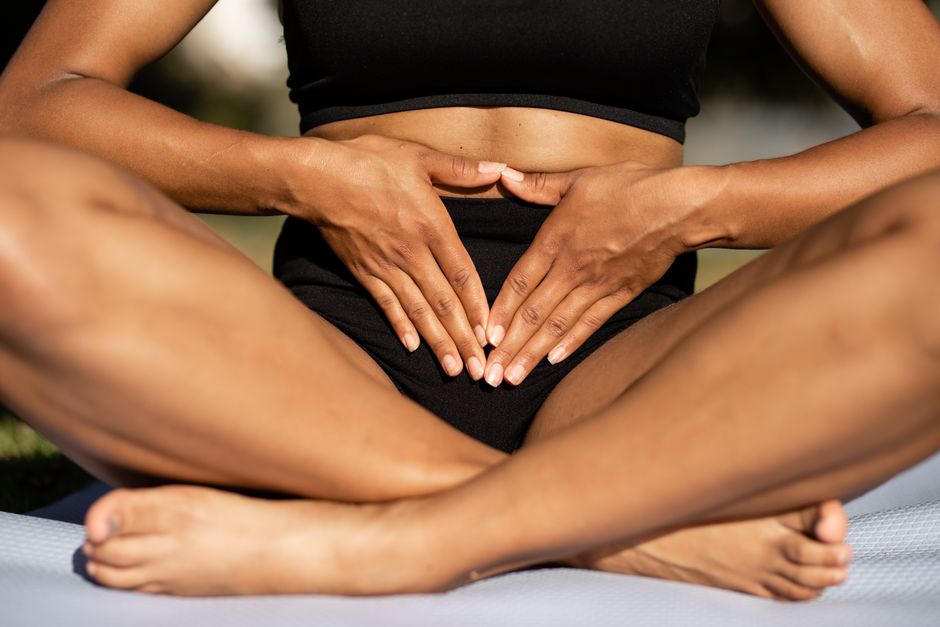
Interstitial cystitis, also called bladder pain syndrome, is a chronic condition that causes bladder pressure, bladder pain, and sometimes pelvic pain. While there is no cure, treatment focuses on relieving symptoms and improving quality of life. The right plan often combines dietary changes, physical therapy, oral medications, and bladder instillations, and it is tailored to each person because symptoms and triggers vary widely.
What Is Interstitial Cystitis and Why Is It Hard to Treat?
Interstitial cystitis (IC) is a chronic condition that causes bladder pressure, bladder pain, and sometimes pelvic pain. The pain can range from mild discomfort to severe. Some people feel the need to urinate frequently, often more than 60 times in 24 hours in severe cases. The condition is far more common in women than in men, though men can get it too.
The exact cause is not fully understood. Researchers believe the protective lining of the bladder may be damaged in some people. This allows urine to irritate the bladder wall directly. In other cases, the problem may involve nerve signals. The pelvic floor muscles can also become tense and painful, which adds to the symptoms.
Because the cause is not clear, no single treatment works for everyone. What helps one person may do nothing for another. This is why doctors often recommend trying several approaches at once. The goal is symptom control, not a cure.
How Do You Treat Interstitial Cystitis Options That Help?
Treatment usually starts with the least invasive options and moves toward more involved ones only if needed. Most people begin with lifestyle changes, then add oral medications, and then consider procedures like bladder instillations.
A typical first step is identifying and avoiding personal triggers. Common triggers include acidic foods, spicy foods, caffeine, and alcohol. Some people also react to artificial sweeteners. Keeping a symptom diary for a few weeks can help you see patterns. Removing one food at a time is a practical way to find what bothers you.
Oral medications are the next common step. These include drugs that protect the bladder lining, medications that relax the bladder muscle, and some that affect nerve signals. Antihistamines are sometimes used because they may reduce inflammation. Pain relievers are used for acute flares, but they do not treat the underlying condition.
Physical therapy is often overlooked but can be very helpful. Many people with IC have tight pelvic floor muscles. A physical therapist trained in pelvic health can teach you relaxation techniques and stretches. Some studies show this reduces pain and urinary urgency.
Bladder instillations involve placing medication directly into the bladder through a catheter. The solution often contains a numbing agent and a medication that coats the bladder wall. This is done in a doctor’s office and usually takes a few minutes. Relief can last from days to weeks.
Dietary Changes That Actually Make a Difference
Diet is one of the most powerful tools for managing IC symptoms. Many people notice a clear link between what they eat and how their bladder feels. The most common triggers are acidic foods, caffeine, and spicy items.
Foods that frequently cause flares include tomatoes, citrus fruits, vinegar, chocolate, and caffeinated drinks. Some people also react to soy, fermented foods, and aged cheeses. Artificial sweeteners are a trigger for some, though not everyone.
The elimination diet is the standard approach. You remove all suspected trigger foods for two to four weeks. Then you add them back one at a time, waiting a few days between each food. This helps you identify your specific triggers. It is important to note that not everyone has food triggers. Some people can eat anything without worsening symptoms.
Water intake also matters. Drinking more water dilutes urine, which may reduce irritation. Some clinicians recommend sipping water throughout the day rather than drinking large amounts at once. However, drinking too much can increase urinary frequency, so balance is key.




Oral Medications Prescribed for IC
Several oral medications are used for interstitial cystitis, and they work through different mechanisms. No single drug works for everyone, and it is common to try more than one.
Pentosan polysulfate sodium is the only oral medication approved specifically for IC in the United States. It is thought to coat the bladder wall and protect it from irritants in urine. It can take two to six months to see benefit. It does not work for everyone, and some people experience side effects.
Antihistamines like hydroxyzine are sometimes prescribed. The theory is that they block histamine release, which may reduce inflammation in the bladder. Some small studies suggest benefit, but the evidence is not strong. Doctors sometimes prescribe them when other options have not worked.
Amitriptyline, a tricyclic antidepressant, is commonly used off-label for IC. It is not approved for this condition, but many clinicians prescribe it because it can reduce pain and improve sleep. It works by affecting nerve signals rather than by treating depression. Doses used for IC are typically lower than those used for depression.
Bladder relaxants like oxybutynin can reduce urinary urgency. They work by calming the bladder muscle. These are more commonly used for overactive bladder, but some IC patients find them helpful.
Bladder Instillations and Other Procedures
Bladder instillations are a direct way to deliver medication to the bladder. A thin catheter is inserted into the bladder, and a solution is instilled and held for 10 to 20 minutes. The solution often contains a local anesthetic like lidocaine and a bladder-protecting agent like heparin.
Some research shows that instillations provide short-term relief, especially during flares. The effects can last from a few days to several weeks. This treatment is not a cure, and it must be repeated. Many patients receive instillations once a week for several weeks, then less often.
For people who do not respond to other treatments, more invasive options exist. These include nerve stimulation, where electrical pulses are delivered to nerves that control the bladder. Another option is bladder distention under anesthesia, which stretches the bladder. This is sometimes done as a diagnostic procedure, but it can also provide temporary symptom relief.
Surgery is reserved for the most severe cases. Procedures range from cauterizing ulcers in the bladder to removing the bladder entirely. Bladder removal is a major surgery with significant lifestyle consequences. It is only considered when all other treatments have failed and quality of life is severely affected.
Lifestyle Adjustments and Stress Management
Stress does not cause interstitial cystitis, but it can make symptoms worse. Many people report that flares happen during stressful periods. This is likely because stress increases muscle tension and alters pain perception.
Stress management techniques can be a useful part of a treatment plan. These include deep breathing, meditation, and gentle exercise. There is no strong evidence that any single technique works best, but many people find that reducing stress helps reduce flare frequency.
Gentle exercise is generally safe and can be beneficial. Walking, swimming, and yoga are common choices. High-impact exercise may worsen symptoms in some people, so it is important to listen to your body. Pelvic floor relaxation exercises are different from general exercise and should be learned from a trained therapist.
Bladder training is another technique. This involves gradually increasing the time between urinations. The goal is to retrain the bladder to hold more urine. Some people find this reduces urgency over time. It works best when combined with other treatments.
What Does Not Work and Why
Many products claim to cure interstitial cystitis, but no cure exists. Be cautious of supplements that promise complete relief. Some supplements, like aloe vera and quercetin, have small studies suggesting possible benefit. However, the evidence is not strong enough to recommend them as standard treatment.
Antibiotics are often prescribed for IC, but they do not help unless there is an actual urinary tract infection. IC is not caused by bacteria. Taking unnecessary antibiotics can lead to side effects and antibiotic resistance.
Some people try cranberry juice, which is commonly used for urinary tract infections. Cranberry is acidic and may actually worsen IC symptoms. It is not recommended for IC unless a doctor specifically advises it.
It is also important to know that symptoms can change over time. Some people have periods of remission where symptoms are mild or absent. This does not mean the condition is cured. It means the disease is currently inactive.
When to See a Specialist
Interstitial cystitis is often diagnosed by a urologist, a doctor who specializes in the urinary tract. A gynecologist may also be involved, especially for women, because pelvic pain can have multiple causes. Some large medical centers have dedicated IC clinics with multidisciplinary teams.
Before diagnosing IC, doctors typically rule out other conditions. These include urinary tract infections, kidney stones, and bladder cancer. The diagnostic process may include urine tests, a physical exam, and a cystoscopy, where a camera is used to look inside the bladder.
If you have been managing symptoms for more than a few weeks without improvement, it is reasonable to seek specialist care. A specialist can offer treatments that primary care doctors may not provide, such as bladder instillations or nerve stimulation. They can also help coordinate physical therapy and pain management.
Frequently Asked Questions
Frequently Asked Questions
Can interstitial cystitis go away on its own?
Some people experience periods of remission where symptoms improve significantly, but IC is a chronic condition. It does not typically resolve permanently without treatment.
Is interstitial cystitis the same as a urinary tract infection?
No. IC is not caused by bacteria and is not an infection. Antibiotics do not help IC unless a separate urinary tract infection is present.
What foods should I avoid with interstitial cystitis?
Common triggers include acidic foods like tomatoes and citrus, caffeine, spicy foods, and alcohol. Triggers vary by person, so keeping a food diary is the best way to identify yours.
How long does it take for IC treatment to work?
Some treatments, like bladder instillations, can provide relief within days. Oral medications like pentosan polysulfate sodium may take two to six months to show benefit.
