
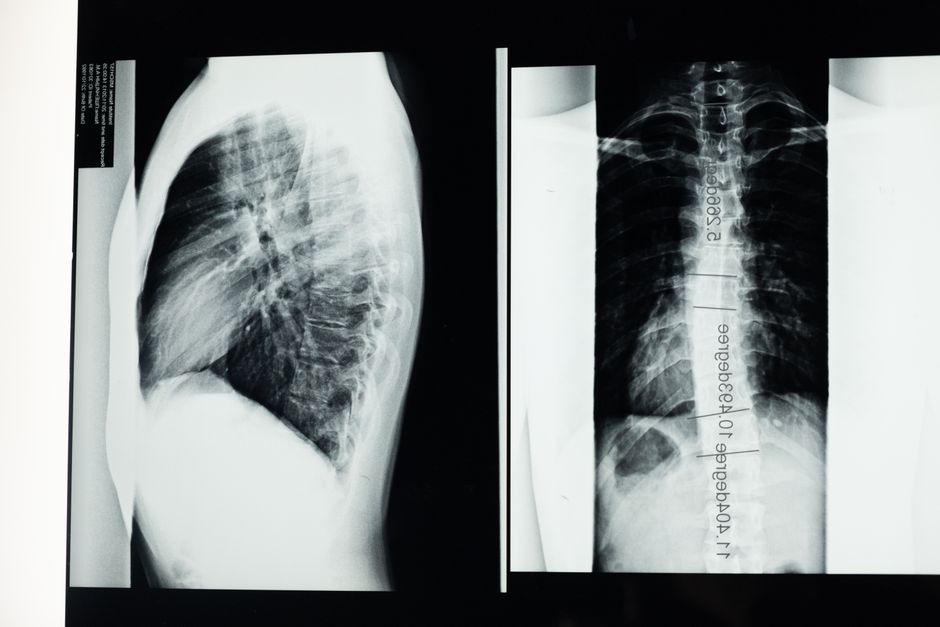
Scoliosis in seniors is more common than many people realize, and it is not simply a condition of childhood. When the spine curves later in life, it is usually a different problem than the adolescent form, and the treatment goals are also different. For older adults, treatment focuses on managing pain, maintaining mobility, and improving quality of life rather than straightening the spine. Most cases are managed without surgery, using a combination of physical therapy, pain relief, and lifestyle adjustments. The best plan depends on the severity of the curve, the symptoms you feel, and your overall health.
What Causes Scoliosis in Older Adults?
Most scoliosis in seniors is degenerative. This means the curve develops because of wear and tear on the spine over time. The discs between the vertebrae can shrink, the joints can become arthritic, and the bones can weaken. These changes can cause the spine to tilt or slip, creating a curve that was not there before.
Some seniors have had scoliosis since adolescence and are simply living with it into older age. Others develop it for the first time after age 50. This is called adult-onset or degenerative scoliosis. It is most common in the lower back, or lumbar spine. The curve is often less than 30 degrees, but even a small curve can cause significant pain because it places uneven stress on the joints and muscles.
Osteoporosis is a major contributor. When the bones of the spine become fragile, they can develop tiny compression fractures. These fractures can change the shape of the spine and contribute to a curve. This is why maintaining bone density through diet and exercise is a relevant part of managing spinal health in later life.
How To Treat Scoliosis In Seniors Your Care Options: The First Steps
Before any treatment starts, a doctor needs to confirm the diagnosis and understand the curve. This usually involves an X-ray to measure the angle of the curve. In some cases, an MRI or CT scan is used to check the nerves and discs. These scans help rule out other causes of back pain, such as a herniated disc or spinal stenosis.
Treatment begins with conservative care. This is not a minor option — it is the standard first-line approach for most seniors. The goal is not to reverse the curve. The goal is to reduce pain, improve function, and prevent the curve from getting worse. Most people with degenerative scoliosis do well with this approach.
Physical therapy is the cornerstone. A therapist can teach you specific exercises to strengthen the muscles that support the spine. Stronger core and back muscles take pressure off the spine and can reduce pain. Therapy also works on posture and balance, which helps prevent falls. Falls are a serious risk for seniors with scoliosis because the shifted spine can affect balance.
Physical Therapy and Exercise: What Actually Works
Exercise for scoliosis is not about doing endless crunches. It is about targeted movement. A physical therapist will assess your specific curve and design a program around it. Common components include stretching tight muscles, strengthening weak ones, and improving flexibility in the hips and hamstrings.
Low-impact aerobic exercise is also valuable. Walking, swimming, and stationary cycling keep the heart and lungs healthy without jarring the spine. Water exercise is particularly helpful because the buoyancy reduces the load on the spine while allowing free movement. Some studies suggest that specific scoliosis-specific exercise programs, like the Schroth method, can help adults manage pain, although the evidence base is still growing.
If you have osteoporosis, high-impact exercise is not appropriate. Jumping, running, or heavy lifting can increase fracture risk. Your therapist should know your bone density status before prescribing any weight-bearing exercise.



Medication and Pain Management Options
Pain from degenerative scoliosis often comes from the joints and muscles working harder than they should. Over-the-counter medications like acetaminophen can help with mild pain. Nonsteroidal anti-inflammatory drugs, or NSAIDs like ibuprofen and naproxen, can reduce inflammation in the joints. These should be used with caution in older adults because they can affect the stomach and kidneys.
If over-the-counter options are not enough, a doctor may prescribe stronger pain relievers. These are used for short periods, not as a long-term plan. Muscle relaxants can help with painful spasms but can cause drowsiness, which raises fall risk in seniors.
Some people benefit from injections. An epidural steroid injection delivers anti-inflammatory medication directly around the nerves in the spine. This can provide temporary relief, lasting weeks to months. It does not fix the curve, but it can make physical therapy and daily activities more bearable. These injections are not for everyone, and they do not work for all types of scoliosis pain.
When Is Surgery Considered?
Surgery is not the first choice for seniors with scoliosis. It is reserved for specific situations. These include severe pain that does not respond to conservative care, a curve that is progressing quickly, or nerve compression that causes leg weakness, numbness, or bowel and bladder problems.
Spinal fusion is the most common surgical procedure for adult scoliosis. The surgeon connects two or more vertebrae with bone grafts and metal rods to stop the curve from progressing. This is a major operation with a significant recovery period. For seniors, the risks are higher than for younger patients. These risks include infection, blood clots, and complications from anesthesia.
Surgery is only recommended when the benefits clearly outweigh the risks. If you are considering surgery, a spine specialist will evaluate your bone quality, heart health, and overall fitness. A senior in good health with severe symptoms may be a candidate. A senior with multiple health problems may not be. The decision is highly individual and requires a thorough evaluation.
Lifestyle Adjustments That Make a Real Difference
Daily habits can influence how much pain you feel. Maintaining a healthy weight reduces the load on the spine. Carrying excess weight in the abdomen pulls the spine forward and can worsen a curve. Smoking impairs blood flow to the spine and can accelerate disc degeneration. Quitting smoking is one of the most protective things you can do for your spine.
Ergonomics matter. If you sit for long periods, use a chair that supports the natural curve of your lower back. Place a small cushion behind your back if needed. Avoid reaching or twisting to lift objects. When picking something up from the floor, bend at the knees, not at the waist.
Sleeping position can also help. Sleeping on your side with a pillow between your knees can reduce spinal stress. A medium-firm mattress is generally better than an extremely soft one, which offers little support. Some people find relief with a small pillow under the waist when sleeping on their back.
Complementary Therapies: What the Evidence Shows
Chiropractic care is sometimes used for scoliosis pain. Spinal manipulation may provide short-term relief for some people, but it does not correct the curve. There is no strong evidence that manipulation can reverse a structural curve in an older adult. If you try chiropractic care, it should be gentle and should not involve forceful twisting of the neck or back.
Acupuncture has been studied for chronic back pain generally, and some patients find it helpful. The evidence for scoliosis specifically is limited, but it is a low-risk option if done by a licensed practitioner. Massage therapy can relieve muscle tension around the spine, though the effects are usually temporary.
Heat and cold therapy are simple and safe. Heat can relax tight muscles and reduce stiffness. Cold packs can numb sharp pain and reduce inflammation after activity. Neither changes the curve, but both can make daily life more comfortable.
Monitoring the Curve Over Time
Degenerative scoliosis can progress, but not always. Some curves remain stable for years. Others advance slowly. Regular check-ups with your doctor are important to track changes. This usually means an X-ray every one to two years, or sooner if your symptoms change significantly.
If you notice new leg pain, weakness, or changes in balance, tell your doctor. These can be signs of nerve compression. Early intervention can prevent more serious problems. The goal of monitoring is not to obsess over the curve angle. It is to catch changes while they are still manageable.
Frequently Asked Questions
Can scoliosis in seniors be reversed?
No, the curve itself cannot be reversed in adults. Treatment focuses on managing pain, improving strength, and preventing the curve from getting worse.
Is surgery necessary for most seniors with scoliosis?
No, most seniors manage scoliosis without surgery. Conservative care like physical therapy and pain management is effective for the majority of cases.
What exercises are safe for seniors with scoliosis?
Walking, swimming, and gentle stretching are generally safe. A physical therapist should design a program specific to your curve and bone health, especially if you have osteoporosis.
Does scoliosis in seniors always cause pain?
No, some people have a curve and no symptoms at all. Pain is more likely when the curve is in the lower back or when it compresses nerves.
