
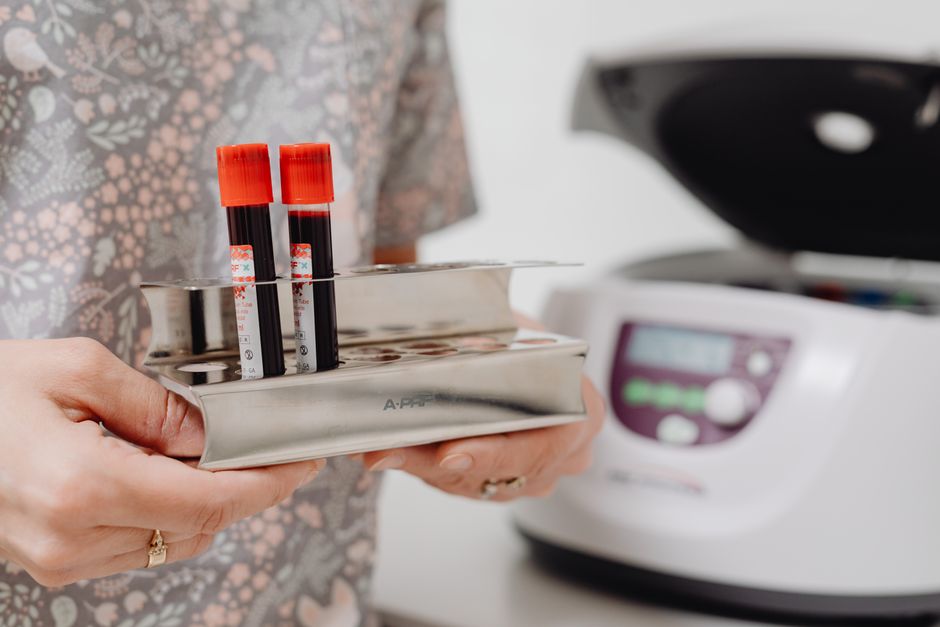
Anemia is diagnosed with a blood test called a complete blood count, or CBC. That single test measures hemoglobin, hematocrit, and red blood cell size and number — the core numbers doctors use to detect anemia and start figuring out why it is happening. If those results point to anemia, follow-up blood tests can usually identify the cause.
What Does a Complete Blood Count Show?
A CBC is the first and most important test for anemia. It gives your doctor a snapshot of your red blood cells and several other blood components at once.
The two numbers that define anemia are hemoglobin and hematocrit. Hemoglobin is the protein inside red blood cells that carries oxygen. Hematocrit is the percentage of your blood volume made up of red blood cells. When either falls below the normal range, anemia is present.
Normal ranges vary by lab, but typical adult reference ranges are roughly:
- Hemoglobin: about 13.5–17.5 g/dL for men, 12.0–15.5 g/dL for women
- Hematocrit: about 41–53% for men, 36–46% for women
These ranges are approximate and differ between laboratories, and they shift with age and pregnancy. A result just below the cutoff is not automatically meaningful — context matters.
The CBC also reports red blood cell count and three red cell indices: MCV (average cell size), MCH (average hemoglobin per cell), and RDW (how much cell sizes vary). These indices are where the real detective work begins.
How Do Red Blood Cell Indices Point to a Cause?
The size of your red blood cells — the MCV — is one of the most useful clues in anemia testing. It sorts anemia into three broad categories and narrows the list of possible causes fast.
Microcytic anemia means cells are smaller than normal. The most common cause is iron deficiency. Thalassemia, a genetic blood disorder, and some chronic diseases can also produce small cells.
Normocytic anemia means cells are normal in size. This pattern appears in anemia of chronic disease, kidney disease, sudden blood loss, and some bone marrow problems.
Macrocytic anemia means cells are larger than normal. Vitamin B12 deficiency and folate deficiency are classic causes. Alcohol use, certain medications, and some bone marrow conditions can also enlarge red cells.
The RDW adds another layer. A high RDW means your red cells vary a lot in size — a pattern often seen early in iron deficiency, when the body is producing a mix of normal and undersized cells.
One clarification worth knowing: the MCV tells you the average size, not whether every cell is that size. That is why the RDW is reported alongside it.
What Other Blood Tests Help Find the Cause?
Once a CBC confirms anemia, the next step is finding out why. The follow-up tests depend on what the CBC showed.
For suspected iron deficiency, doctors commonly order ferritin, a protein that stores iron. A low ferritin is strong evidence of depleted iron stores. Serum iron and total iron-binding capacity (TIBC) may also be checked. Ferritin can rise with inflammation, though, so a normal ferritin does not always rule out iron deficiency.
For suspected B12 or folate deficiency, doctors measure vitamin B12 and folate levels directly. Methylmalonic acid and homocysteine are sometimes used as additional markers when results are borderline.
Other tests that may be ordered include:
- Reticulocyte count — measures young red blood cells and shows whether the bone marrow is responding to the anemia
- Peripheral blood smear — a lab technician examines the cells under a microscope for abnormal shapes
- Kidney function tests — the kidneys make erythropoietin, a hormone that signals red cell production
- Iron studies — a panel that helps separate iron deficiency from anemia of chronic disease
A reticulocyte count is often underappreciated. A high count suggests the bone marrow is working hard — often because of blood loss or red cell destruction. A low count suggests the marrow is not responding, which points toward a production problem.



When Should You Get Tested for Anemia?
Testing is reasonable when you have symptoms or risk factors, not on a fixed schedule for everyone. A CBC is a routine, low-risk blood draw.
Common symptoms that prompt testing include:
- Persistent fatigue or weakness
- Shortness of breath with mild exertion
- Pale skin, lips, or nail beds
- Dizziness or lightheadedness
- Cold hands and feet
- Fast or irregular heartbeat
- Headaches
Some people have anemia with few or no symptoms, especially when it develops slowly. The body adapts, and mild anemia can go unnoticed until a routine blood test picks it up.
Risk factors that make testing more worthwhile include heavy menstrual bleeding, pregnancy, a diet low in iron or B12, chronic kidney disease, a family history of anemia or thalassemia, and long-term use of medications that can affect blood cells. If you have any of these, talk with your doctor about whether a CBC makes sense.
What Happens If the First Test Is Abnormal?
An abnormal CBC is a starting point, not a final answer. Your doctor will usually repeat the test or order follow-up tests to confirm the finding and identify the cause.
A mildly low hemoglobin on one test may be temporary — dehydration, recent illness, or lab variation can affect results. A repeat test a few weeks later is common practice. Persistent abnormalities call for a more thorough workup.
If anemia is confirmed and the cause is clear — say, iron deficiency from heavy periods or a low-iron diet — treatment usually targets the cause. If the cause is not clear, or if the anemia is severe, your doctor may refer you to a hematologist, a specialist in blood disorders.
Severe anemia, or anemia with warning signs like chest pain, fainting, or very fast heart rate, needs prompt medical attention. Do not wait for a routine appointment in those cases.
Can You Test for Anemia at Home?
Home tests for anemia exist but are limited. Some at-home kits measure hemoglobin from a finger-prick blood sample. They can give a rough reading, but they are not a substitute for a CBC done in a lab.
Finger-prick samples can be affected by how the blood is collected, and they do not measure hematocrit, MCV, or other indices. A home test cannot tell you why you might be anemic. If a home test suggests low hemoglobin, the next step is still a lab CBC and a conversation with your doctor.
No home test can reliably diagnose the cause of anemia. Treat any home result as a signal to get proper testing, not as a diagnosis.
How Accurate Are Anemia Blood Tests?
Lab-based CBC testing is well established and reliable for detecting anemia. Hemoglobin and hematocrit measurements are standardized and closely monitored across laboratories.
What tests cannot do is tell you the cause on their own. A CBC tells you anemia is present. The indices narrow the possibilities. Follow-up tests confirm the cause. Each step adds information, and no single test answers everything.
Results can also be affected by factors like hydration, altitude, pregnancy, and recent blood loss. That is why doctors interpret results alongside your symptoms, history, and physical exam rather than in isolation.
Frequently Asked Questions
What is the first blood test for anemia?
The first test is a complete blood count (CBC), which measures hemoglobin, hematocrit, and red blood cell size and number. It is a routine blood draw and the standard starting point for detecting anemia.
Can anemia be detected in a routine blood test?
Yes. A CBC is often part of routine blood work, and it will show anemia even if you have no symptoms. Mild anemia that develops slowly can go unnoticed until a routine test picks it up.
Do you need to fast for an anemia blood test?
Usually not for a CBC alone. Some follow-up tests, such as iron studies, may require fasting, so ask your doctor or lab whether you need to fast before your specific tests.
What hemoglobin level is considered anemia?
Anemia is generally defined as hemoglobin below about 13.5 g/dL for men and below about 12.0 g/dL for women. Reference ranges vary by laboratory, age, and pregnancy status, so your doctor interprets your result in context.
