
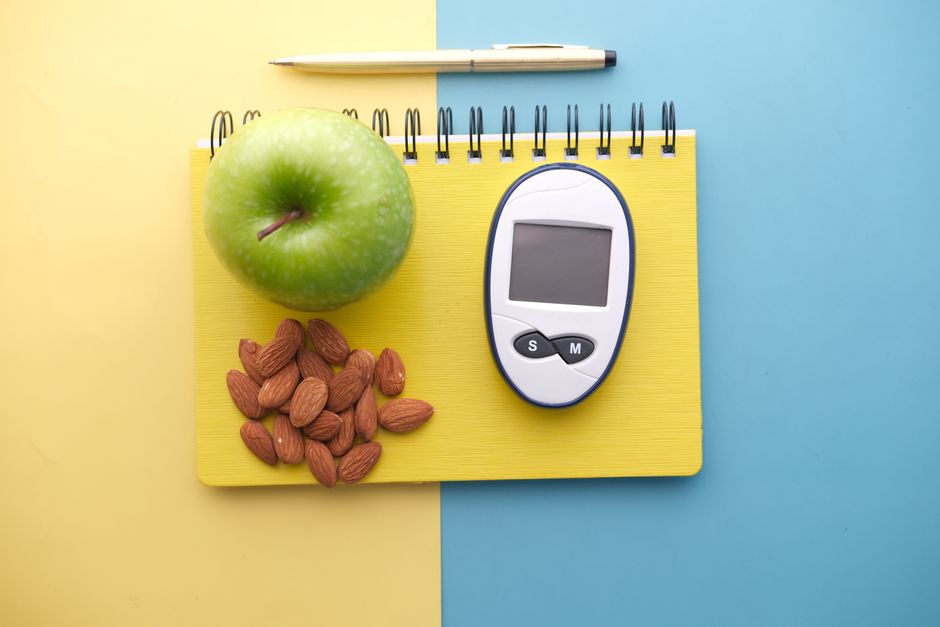
Your brain runs almost entirely on glucose. When blood sugar drops too low, the brain and body start to malfunction, and that is what hypoglycemia means. Clinically, hypoglycemia in people with diabetes is generally defined as a blood glucose level below 70 mg/dL. In people without diabetes, it is defined by three things together: low blood glucose, symptoms that go with it, and relief of those symptoms once glucose rises.
That three-part definition matters. A number on a meter alone does not always mean hypoglycemia. The body has to be reacting to it. This article explains what happens during a low, who is at risk, how it feels, and what actually brings glucose back up.
What Is Hypoglycemic Low Blood Sugar Explained?
Hypoglycemia is a state where circulating glucose falls below what the body needs to function normally. Glucose is the main fuel for cells, and the brain is especially dependent on a steady supply. When levels fall, the body launches a counterattack: it releases hormones like glucagon and adrenaline to raise blood sugar.
Those hormones cause many of the early symptoms — shakiness, sweating, a racing heart. If glucose keeps falling, the brain itself starts to run short on fuel. That stage brings confusion, slurred speech, and in severe cases, loss of consciousness.
The key distinction is between diabetes-related hypoglycemia and hypoglycemia in people without diabetes. They share symptoms but have very different causes and management. In diabetes, low blood sugar is usually a side effect of treatment — insulin or certain medications. In people without diabetes, true hypoglycemia is uncommon and usually points to another underlying issue.
What Causes Blood Sugar to Drop?
For people with diabetes, the causes are well understood. Too much insulin relative to food intake, a missed or delayed meal, unusual physical activity, and alcohol can all push glucose down. Some diabetes medications, particularly insulin and drugs in the sulfonylurea class, can cause hypoglycemia. Others, like metformin, generally do not cause low blood sugar on their own.
In people without diabetes, the picture is different. Documented hypoglycemia is uncommon, and when it occurs, clinicians look for specific causes:
- Medications — some drugs beyond diabetes medicines can lower glucose in susceptible people.
- Alcohol — heavy drinking, especially without food, can block the liver from releasing stored glucose.
- Hormone deficiencies — problems with cortisol or growth hormone can impair the body’s ability to raise glucose.
- Severe illness — liver failure, kidney failure, and serious infections can disrupt glucose regulation.
- Post-bariatric surgery — some people develop low blood sugar after meals following weight-loss surgery, a condition called postprandial hypoglycemia.
- Insulinoma — a rare insulin-producing tumor of the pancreas. This is uncommon and requires proper medical evaluation to diagnose.
One clarification worth making: many people who feel shaky or irritable between meals assume they have hypoglycemia. In most cases, blood testing does not confirm it. The feeling is real, but the cause is often not low blood glucose. This is why testing matters before assuming a diagnosis.
What Are the Symptoms of Low Blood Sugar?
Symptoms fall into two groups, and they tend to appear in a rough order as glucose drops. The first group comes from the body’s hormonal response. The second comes from the brain running low on fuel.
Early symptoms (hormonal response):
- Shakiness and trembling
- Sweating, often cold and clammy
- Fast heartbeat
- Hunger
- Anxiety or irritability
- Pale skin
Later symptoms (brain glucose shortage):
- Confusion or difficulty concentrating
- Slurred speech
- Blurred vision
- Dizziness or lightheadedness
- Unusual behavior or drowsiness
- Seizures or loss of consciousness in severe cases
Not everyone feels the early warning signs. Some people with diabetes develop what clinicians call impaired awareness of hypoglycemia — repeated lows can blunt the body’s warning response, so glucose can fall further before symptoms appear. This is a recognized and important clinical problem, because it raises the risk of severe episodes. Anyone who notices they no longer feel their lows should raise it with their care team.


How Is Hypoglycemia Diagnosed?
Diagnosis rests on blood testing, not symptoms alone. In diabetes care, a glucose reading below 70 mg/dL is generally treated as low and acted on. A level below 54 mg/dL is considered clinically significant hypoglycemia and needs prompt attention.
For people without diabetes, clinicians use a stricter standard. The widely used framework, sometimes called Whipple’s triad, requires three findings:
- Documented low blood glucose
- Symptoms consistent with hypoglycemia
- Resolution of symptoms when glucose is corrected
Meeting all three is what separates true hypoglycemia from a coincidental low reading. A single low value without symptoms may not mean much. Blood drawn in a tube can also show falsely low glucose if it sits too long before processing, which is one reason proper lab handling matters.
When hypoglycemia is confirmed in someone without diabetes, further testing may be needed to find the cause. That can include fasting blood tests, hormone levels, and in some cases imaging. This evaluation is best done by a clinician — self-diagnosing the cause is unreliable.
How Do You Treat a Low Blood Sugar Episode?
For a conscious person who can swallow, the standard approach is fast-acting carbohydrate. The widely taught “rule of 15” is a practical guide: take about 15 grams of fast-acting carbohydrate, wait about 15 minutes, then recheck glucose. If it is still low, repeat.
Examples of roughly 15 grams of fast carbohydrate include:
- About 4 ounces (half a cup) of juice or regular soda
- About 1 tablespoon of sugar or honey
- Glucose tablets, following the package amount for 15 grams
This guidance applies to people with diabetes and to confirmed hypoglycemia generally. It is not a reason to eat fast sugar every time you feel shaky without testing.
For someone who is unconscious, having a seizure, or unable to swallow safely, do not give food or drink by mouth — choking is a real risk. This is a medical emergency. Call emergency services. If the person has a prescribed glucagon kit, someone trained to use it may administer it while waiting for help. Glucagon is a hormone that raises blood glucose and is prescribed for exactly this situation.
After glucose comes back up, eating a snack or meal with protein and complex carbohydrate helps prevent another drop. For people with diabetes, reviewing the episode with a care team can identify what triggered it and how to prevent a repeat.
Can You Prevent Low Blood Sugar?
For people with diabetes, prevention is largely about matching treatment to daily life. That means not skipping meals, checking glucose around exercise, and understanding how alcohol affects levels. Working with a diabetes care team to adjust medication doses is central — dose changes should come from a clinician, not guesswork.
For people without diabetes, there is no general prevention strategy because true hypoglycemia is uncommon and usually tied to a specific cause. If episodes are confirmed, the priority is identifying and addressing the underlying issue rather than managing symptoms alone.
One practical point: carrying a fast source of glucose is reasonable for anyone at known risk of lows, such as people on insulin. It is a low-cost safeguard, not a treatment plan.
When Should You Seek Medical Help?
Seek urgent help for any episode involving loss of consciousness, seizure, or inability to swallow. These are emergencies and should not be managed at home.
See a clinician for evaluation if you have recurring symptoms of low blood sugar, especially if you do not have diabetes. Confirmed or suspected hypoglycemia without diabetes needs a proper workup to find the cause. Do not assume it is harmless.
If you have diabetes and notice that your early warning symptoms are fading, tell your care team. Impaired awareness of hypoglycemia is treatable with adjustments to treatment and education, but it needs to be recognized first.
Frequently Asked Questions
What blood sugar level is considered hypoglycemia?
In people with diabetes, below 70 mg/dL is generally considered low, and below 54 mg/dL is clinically significant. In people without diabetes, diagnosis also requires symptoms and relief when glucose rises.
What are the first signs of low blood sugar?
Early signs usually include shakiness, sweating, a fast heartbeat, hunger, and irritability. These come from the body’s hormonal response, before brain-related symptoms like confusion appear.
Can you have hypoglycemia without diabetes?
Yes, but it is uncommon and usually points to another cause such as medication, alcohol, hormone problems, or illness. It should be evaluated by a clinician rather than self-diagnosed.
What should you do if someone passes out from low blood sugar?
Call emergency services and do not give food or drink by mouth, because of choking risk. If a prescribed glucagon kit is available and someone is trained to use it, it may be given while waiting for help.
