
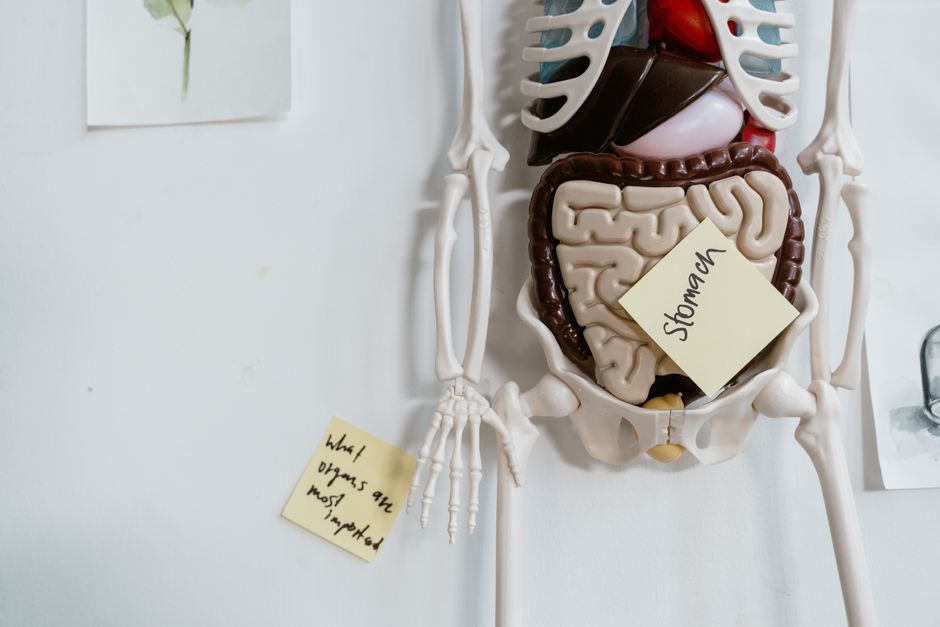
Digestion happens at its own pace, and most people want it to go faster. The direct answer is that you can support your digestive system with specific habits, but you cannot force it to work faster than your body allows. Things like gentle movement, proper hydration, and eating certain foods can help food move through your system more efficiently. But many popular “quick fixes” do not work and some can even slow things down.
What Actually Controls How Fast Digestion Happens?
Your digestive system runs on a mix of muscle contractions, hormones, and nerve signals. The muscles in your intestines contract in waves called peristalsis. This pushes food and waste forward. The speed of these contractions depends on many things including what you ate, your stress levels, and your overall health.
Research shows that the type of food matters most. High-fiber foods like vegetables, fruits, and whole grains move through the system at a steady pace. Processed foods low in fiber can slow things down significantly. Your hydration level also plays a major role. Without enough water, the colon pulls fluid from waste material making it harder and slower to pass.
Current research suggests that the average transit time from eating to elimination is between 24 and 72 hours. Anything within that range is normal. Trying to speed things up beyond what is natural for your body can lead to discomfort or even problems like diarrhea or nutrient malabsorption.
Does Drinking More Water Speed Up Digestion?
Yes, water helps. But the effect is not dramatic. Water keeps stool soft and helps fiber do its job. Fiber absorbs water and swells up which adds bulk to stool. This bulk triggers the intestinal walls to contract and move things along.
Without enough water, fiber can actually cause constipation. This is a common mistake people make. They increase fiber intake without increasing water and end up feeling worse. Aim for consistent water intake throughout the day rather than chugging large amounts at once. Your body absorbs water better when you sip it steadily.
Some people report that warm water or herbal teas help more than cold water. There is no strong evidence that temperature matters much. The key is simply being hydrated enough. If your urine is pale yellow you are likely hydrated enough for good digestion.
Can Exercise Really Help Speed Up Digestion?
Research shows that moderate physical activity can help move food through the colon faster. A study published in the American Journal of Gastroenterology found that regular walking reduced colon transit time in people with constipation. Walking after meals appears to be especially helpful.
The mechanism is straightforward. Movement stimulates the muscles in your abdomen and intestines. It also reduces stress which can slow digestion. Even ten minutes of walking after a meal can make a difference.
But not all exercise helps equally. High-intensity workouts can actually slow digestion temporarily. When you exercise hard, blood flow shifts away from the digestive system toward your muscles. This can pause digestion until you cool down. Gentle to moderate movement is the sweet spot for digestive support.





What Foods Can Help Speed Up Digestion?
Some foods genuinely help move things along. Others are overhyped. Here is what the evidence actually supports.
Fiber-rich foods are the most reliable option. Soluble fiber found in oats, apples, and carrots absorbs water and forms a gel-like substance that helps stool pass smoothly. Insoluble fiber found in wheat bran, nuts, and green beans adds bulk and speeds transit time. Both types matter.
Probiotic foods like yogurt, kefir, and sauerkraut contain live bacteria that may support gut health. Some studies suggest they can help with regularity, but the evidence is mixed. Not all probiotic strains work the same way. If you notice improvement with a specific food, it may be worth keeping in your routine.
Ginger and peppermint are widely claimed to speed digestion. The reality is more modest. Ginger can help reduce nausea and may support gastric emptying. Peppermint can relax intestinal muscles which may help with cramping but does not necessarily speed up overall transit time. Both are safe to try but do not expect dramatic results.
Coffee is one of the few things that has a clear short-term effect. Caffeine stimulates colon contractions in some people. Studies show that coffee can trigger a bowel movement within minutes for some individuals. But this effect is not universal and can fade with regular consumption.
Prunes and prune juice are backed by solid evidence. They contain both fiber and sorbitol, a sugar alcohol that draws water into the colon. Research shows prunes are more effective than psyllium husk for improving stool frequency. Two to three prunes per day is a reasonable starting point.
What Should You Avoid When Trying to Speed Up Digestion?
Many people try things that sound logical but do not work. Some of these can even backfire.
Laxatives are not a solution for normal digestion. Stimulant laxatives force the colon to contract. They can cause cramping, dehydration, and dependency if used regularly. The body can become reliant on them to produce a bowel movement. Only use laxatives under medical guidance for diagnosed constipation.
Detox teas and cleanses are widely promoted online. There is no clinical evidence that they speed up digestion in a healthy way. Many contain senna or other stimulant laxatives. They can cause electrolyte imbalances and disrupt the natural balance of gut bacteria. As of 2026, no major health organization recommends these products for digestive health.
Extreme diets like juice fasting or liquid-only regimens can actually slow digestion. Without solid fiber, the intestines have less bulk to push against. This can lead to slower transit time and constipation. The body needs a mix of fiber, fluids, and nutrients to keep digestion moving normally.
Eating too fast is a common habit that works against you. When you eat quickly, you swallow more air which can cause bloating and gas. You also tend to chew less, which means larger food particles enter the stomach. This can slow the entire digestive process. Slowing down your eating speed is one of the simplest things you can do to support digestion.
How Does Stress Affect Digestion Speed?
Stress has a direct and powerful effect on digestion. The nervous system controls how fast the intestines move. When you are stressed, your body activates the “fight or flight” response. This slows down non-essential functions like digestion. Blood flow diverts away from the gut. Muscle contractions in the intestines become less coordinated.
Some people experience the opposite effect. Stress can cause the colon to contract too quickly leading to diarrhea. Both responses are common. The key point is that stress does not support normal, steady digestion. Managing stress through breathing exercises, short walks, or simply taking time to eat without distractions can help your digestive system work at its natural pace.
Research shows that mindfulness practices can improve symptoms of irritable bowel syndrome, which often involves irregular transit time. The effect is not huge but it is real and has no side effects. It is one of the few interventions that carries no risk of making things worse.
Comparison of Common Digestion Aids
| Method | Evidence Level | Typical Effect | Risk of Side Effects |
|---|---|---|---|
| Walking after meals | Strong | Moderate speed increase | Very low |
| Increasing water intake | Strong | Mild improvement | Very low |
| Prunes | Strong | Moderate to strong effect | Low (gas possible) |
| Coffee | Moderate | Mild to moderate effect | Low (jitters, acid) |
| Probiotics | Moderate | Mild, varies by person | Very low |
| Laxatives (stimulant) | Strong for short-term | Strong effect | High with regular use |
| Detox teas | None | Variable, often laxative-based | Moderate to high |
Common Misconceptions About Speeding Up Digestion
One popular myth is that drinking lemon water or apple cider vinegar first thing in the morning speeds up digestion. There is no clinical evidence that either of these changes transit time. They may support stomach acid production in some people but they do not make food move through the intestines faster.
Another misconception is that eating spicy food speeds up digestion. Capsaicin, the compound in chili peppers, can irritate the lining of the stomach and intestines. Some people report that it makes them feel like things are moving faster. But the research shows that spicy food can actually slow gastric emptying in some cases. It may also cause discomfort or urgency without actually changing transit time.
Some people believe that eating less food will speed digestion because there is less to process. This is not how the system works. When you eat very little, the intestines have less bulk to push against. This can slow things down. Regular, balanced meals support steady digestive function better than restrictive eating patterns.
The idea that you need to “detox” your digestive system is not supported by evidence. Your liver and kidneys handle detoxification naturally. No food or drink can speed up this process. Products that claim otherwise are marketing, not medicine.
Frequently Asked Questions About speed up digestion
How long does it take for food to digest?
Complete digestion from eating to elimination usually takes between 24 and 72 hours. This varies based on what you ate and your individual digestive health.
Does drinking warm water speed up digestion?
Warm water may help some people feel more comfortable but there is no strong evidence that it speeds up transit time. Staying hydrated is what matters most.
Can chewing gum help digestion move faster?
Chewing gum can cause you to swallow extra air which leads to bloating and gas. It does not speed up digestion and may actually slow things down for some people.
Is it safe to take fiber supplements every day?
Fiber supplements like psyllium husk are safe for daily use when taken with enough water. Start with a small amount and increase gradually to avoid gas and bloating.
