
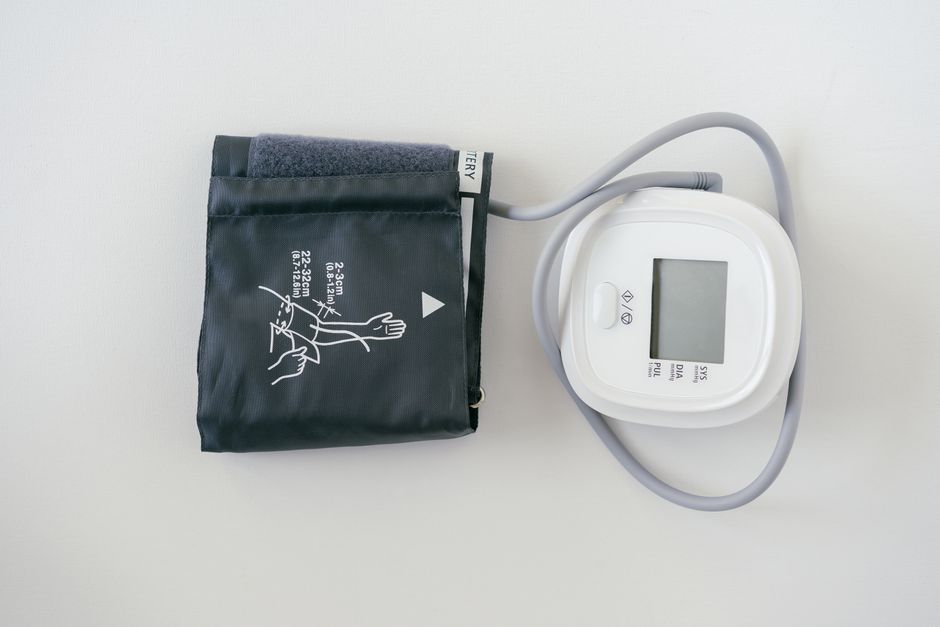
Low blood pressure does not get the same attention as high blood pressure, but it can be just as disruptive. Feeling dizzy, lightheaded, or unusually tired might mean your numbers have dropped too low. Raising blood pressure often comes down to simple changes in what you drink, eat, and how you move. This guide covers the evidence-based steps that can help bring your blood pressure back to a safer range.
What Is Considered Dangerously Low Blood Pressure?
Blood pressure readings have two numbers. The top number is systolic pressure, which measures the force when your heart beats. The bottom number is diastolic pressure, which measures the force when your heart rests between beats.
A normal reading is around 120/80 mm Hg. Most doctors consider blood pressure too low when it drops below 90/60 mm Hg. But the real concern is whether you have symptoms. Some people naturally run low with no issues. Others feel terrible at the same numbers.
The American Heart Association notes that dangerously low blood pressure causes symptoms like fainting, dehydration, confusion, blurred vision, or nausea. If your blood pressure drops suddenly and you feel weak or confused, that is a medical emergency. Do not try to fix it at home with food or fluids alone. Call for help.
Chronic low blood pressure that causes symptoms but is not an emergency can often be managed with lifestyle changes. The key is knowing when you need immediate care versus when you can try a simple intervention.
How Do You Raise Your Blood Pressure Quickly With Fluids?
Dehydration is one of the most common causes of low blood pressure. When you do not have enough fluid in your body, your blood volume drops. Less blood means less pressure against your artery walls.
Drinking water raises blood volume quickly. Research shows that drinking 16 ounces of water can raise systolic blood pressure by about 10 mm Hg in people with autonomic nervous system problems. The effect starts within minutes and lasts about an hour.
Water alone works for mild cases. For faster results, electrolyte drinks that contain sodium and potassium help your body hold onto the fluid longer. Sports drinks work, but they also have sugar. If you are trying to avoid sugar, look for electrolyte tablets or powders without added sweeteners.
Do not chug an entire bottle in one go. Sip steadily over 10 to 15 minutes. Drinking too fast can cause stomach discomfort and does not improve the effect on blood pressure.
Does Salt Help Raise Low Blood Pressure?
Sodium is the most direct way to raise blood pressure through diet. Salt pulls water into your bloodstream, increasing blood volume and pressure. This is why doctors tell people with high blood pressure to cut salt. For people with low blood pressure, the opposite advice applies.
Some studies suggest that increasing sodium intake by 1,000 to 2,000 mg per day can raise systolic blood pressure by 5 to 10 mm Hg in people with chronic low blood pressure. The American Heart Association recommends no more than 2,300 mg of sodium per day for the general population. People with low blood pressure may be able to go higher, but there is no established safe upper limit for this approach.
Do not go overboard with salt without talking to your doctor first. Excess sodium can cause fluid retention, swelling, and strain on your kidneys. People with heart failure, kidney disease, or liver problems should be especially careful.
Practical ways to add sodium include salting your food more at meals, drinking broth or soup, eating pickles or olives, and choosing salted crackers or pretzels as snacks. Table salt contains about 2,300 mg of sodium per teaspoon. A quarter teaspoon added to a meal provides roughly 575 mg.

What Foods and Drinks Help Raise Blood Pressure?
Beyond salt and water, specific foods can help stabilize blood pressure. The goal is to increase blood volume and provide steady energy throughout the day.
| Food or Drink | How It Helps | Evidence Level |
|---|---|---|
| Water | Increases blood volume directly | Strong |
| Salty snacks (pretzels, crackers) | Provides sodium to retain fluid | Strong |
| Broth-based soups | Combines fluid and sodium | Strong |
| Coffee or caffeinated tea | Constricts blood vessels temporarily | Moderate |
| Beetroot juice | Contains nitrates that may support circulation | Weak |
| Small frequent meals | Prevents post-meal blood pressure drops | Strong |
Caffeine is a common suggestion for raising blood pressure. It works by narrowing blood vessels, which increases pressure. Research published in the American Journal of Clinical Nutrition found that caffeine can raise systolic blood pressure by 3 to 14 mm Hg within 30 minutes of consumption. The effect is temporary and varies from person to person.
Eating smaller meals more often helps prevent postprandial hypotension, which is a drop in blood pressure after eating. When you eat a large meal, blood rushes to your digestive system, which can lower pressure elsewhere in your body. Five or six small meals spread throughout the day keep this from happening.
Beetroot juice is often mentioned online, but the evidence is weak. Some people report feeling better after drinking it, but clinical studies do not show consistent blood pressure increases from beetroot juice. It is safe to try, but do not rely on it as a primary strategy.
How Do You Raise Your Blood Pressure With Movement and Positioning?
Physical position affects blood pressure more than most people realize. Standing up too fast can cause a sudden drop called orthostatic hypotension. This happens because gravity pulls blood into your legs, and your body does not adjust quickly enough to maintain pressure to your brain.
Simple movement strategies can help. When you stand up, do it slowly. Go from lying to sitting, pause for a minute, then stand. This gives your blood vessels time to constrict and maintain pressure. The CDC recommends this approach for older adults who experience dizziness when standing.
Compression stockings are another option. These tight socks or stockings apply pressure to your legs, which helps push blood back toward your heart and brain. Research shows they can reduce symptoms of orthostatic hypotension by 30 to 50 percent in some people. They are most effective when worn during the day and removed at night.
Crossing your legs while standing can also raise blood pressure temporarily. The act of squeezing your leg muscles against each other compresses blood vessels and forces blood upward. This is a quick trick if you feel faint while waiting in line or standing at a counter.
For people with chronic low blood pressure, gentle exercise like walking or swimming helps improve circulation over time. Avoid sudden intense exercise, which can cause blood pressure to drop temporarily during the activity.
What Medications and Medical Conditions Cause Low Blood Pressure?
Many prescription drugs can lower blood pressure as a side effect. The most common culprits are diuretics, beta-blockers, alpha-blockers, and some antidepressants. If you started a new medication and noticed dizziness or fatigue, check with your doctor about whether dosage adjustments are possible.
Medical conditions that cause low blood pressure include diabetes, Parkinson’s disease, heart valve problems, and autonomic nervous system disorders. Anemia is another common cause. When your blood does not have enough red blood cells, it cannot carry oxygen efficiently, which can lead to low pressure.
A study published in the Journal of the American Medical Association found that about one in five older adults taking three or more blood pressure medications experiences symptomatic low blood pressure. This is called polypharmacy-related hypotension. Your doctor may be able to reduce or combine medications to solve the problem.
Never stop taking a prescribed medication without talking to your doctor first. Abruptly stopping blood pressure drugs can cause dangerous spikes in pressure. Work with your healthcare provider to find the right balance.
Common Misconceptions About Raising Blood Pressure
One viral claim says that drinking apple cider vinegar raises blood pressure. There is no clinical evidence for this. Apple cider vinegar may lower blood pressure in some people, but it does not raise it.
Another popular myth is that eating sugar or candy will fix low blood pressure. Sugar can cause a temporary energy spike but does not increase blood volume or vessel constriction. In fact, sugar can cause a reactive drop in blood pressure for some people after the initial spike wears off.
Some people believe that lying flat with legs elevated is the best position for low blood pressure. This is partially correct. Elevating your legs above heart level helps blood return to your chest and brain. But lying completely flat for long periods can actually worsen orthostatic hypotension because your body gets used to the horizontal position and does not adjust well when you stand.
Alcohol is sometimes suggested as a way to raise blood pressure. This is dangerous advice. Alcohol initially causes blood vessels to relax and widen, which lowers blood pressure. Long-term heavy drinking is associated with high blood pressure, but the immediate effect is a drop, not a rise.
Frequently Asked Questions
How fast can you raise low blood pressure?
Drinking 16 ounces of water can raise blood pressure within 5 to 15 minutes. Adding salt to food or drinking a salty broth works within 30 to 60 minutes.
Is it safe to eat more salt to raise blood pressure?
For most people without heart or kidney problems, increasing salt intake is safe in moderation. Check with your doctor before making significant changes to your sodium intake.
Can caffeine raise blood pressure permanently?
No. Caffeine raises blood pressure temporarily for about 30 to 90 minutes. It does not cause a lasting increase in blood pressure for regular coffee drinkers.
When should I see a doctor for low blood pressure?
See a doctor if you faint, feel dizzy regularly, have blurred vision, or notice your blood pressure readings are consistently below 90/60 with symptoms.
