
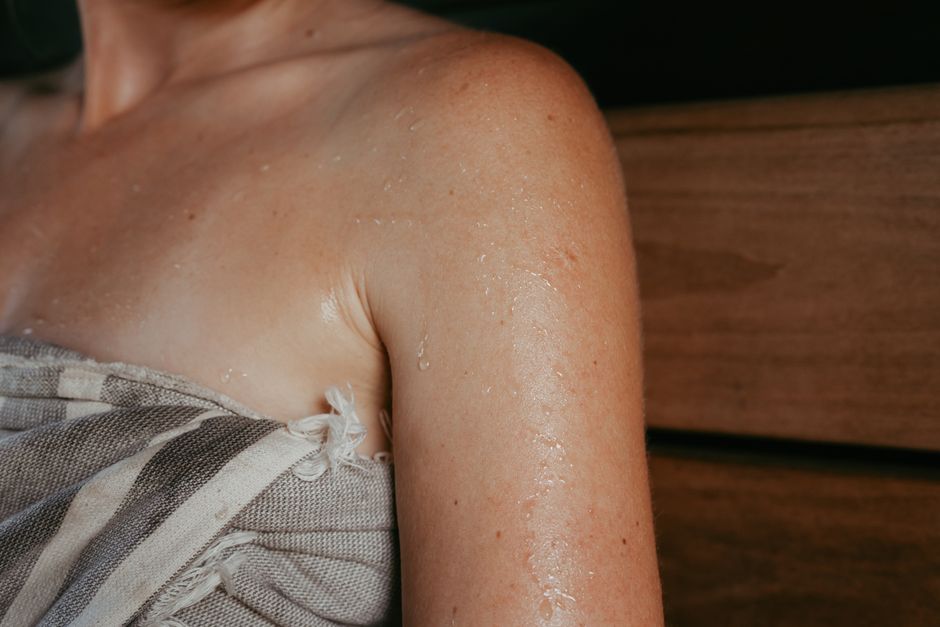
Sweat is not the problem. Sweat is how your body cools itself. The problem is when sweating happens more than the situation calls for — through your shirt before a meeting, down your palms during a handshake, or soaking the sheets at night. How do you prevent excessive sweating? For everyday cases, the most effective steps are antiperspirant with aluminum salts, breathable clothing, and avoiding known triggers like spicy food, alcohol, and heat. For sweating that is frequent, disruptive, or one-sided, a doctor can offer treatments that go well beyond what you can buy at a drugstore.
Knowing which kind of sweating you have changes everything. The approach that works for ordinary heat-related sweating is not the same as the one for a medical condition. Below, the strategies are separated so you can match them to your situation.
What Counts as Excessive Sweating?
Excessive sweating means sweating more than your body needs for the temperature and activity level around you. Doctors call the medical version hyperhidrosis. It is not a sign of poor hygiene, and it is not a character flaw. It is a malfunction in the signals that tell your sweat glands to turn on.
Two patterns matter. Primary focal hyperhidrosis affects specific areas — most often the palms, soles, underarms, or face — usually on both sides of the body equally. It often starts in childhood or the teen years and has no underlying disease causing it. Secondary generalized hyperhidrosis affects larger areas or the whole body and tends to start later in life. It can be a symptom of another condition or a side effect of a medication.
That distinction is not academic. Primary focal hyperhidrosis is managed with targeted treatments. Secondary sweating requires finding and addressing the cause. If sweating started suddenly in adulthood, happens mostly at night, or shows up on just one side of your body, that pattern points toward a secondary cause and deserves a medical evaluation.
Everyday Steps That Reduce Sweating
Most people who feel they sweat too much can cut it down with a handful of changes. None of these treat hyperhidrosis, but they reduce the baseline load your body is dealing with.
- Choose the right antiperspirant, not just deodorant. Deodorant masks odor. Antiperspirant reduces sweat. They are different products, and the label tells you which you have.
- Apply antiperspirant at night. Sweat glands are less active while you sleep, so the aluminum salts have time to plug the duct before you start sweating the next day.
- Wear breathable fabrics. Cotton, linen, and moisture-wicking synthetics move heat and moisture away from skin better than heavy or tight clothing.
- Dress in layers. You can remove a layer when you warm up instead of sweating through everything at once.
- Watch your triggers. Spicy food, caffeine, alcohol, and emotional stress all push sweat glands to fire.
- Keep your environment cool. Fans, air conditioning, and shade lower the heat your body has to dump.
- Manage stress where you can. Anxiety does not cause hyperhidrosis, but it reliably makes sweating worse.
One clarification worth knowing: antiperspirants work by forming a temporary plug in the sweat duct, not by blocking the gland permanently. That is why they need to be reapplied regularly and why they work better on some people than others.
Does Antiperspirant Actually Work?
Yes. Aluminum-based antiperspirants are the most studied and most widely used first-line option for excessive sweating. The aluminum salts react with proteins in the sweat duct to form a plug that physically reduces how much sweat reaches the skin surface.
Regular over-the-counter antiperspirants contain lower concentrations of the active ingredient. If those are not enough, clinicians often recommend prescription-strength antiperspirants, which carry a higher concentration of aluminum chloride or a similar salt. These are applied at night, sometimes under a dressing or with plastic wrap to improve absorption, and washed off in the morning. They can irritate skin, especially in the first weeks, so they are usually started a few nights a week and adjusted based on how your skin responds.
If you have tried a standard antiperspirant for a few weeks with no improvement, that is a reasonable point to talk to a clinician rather than buying stronger products on your own. The prescription versions are more effective, but they need to be used correctly to avoid skin irritation.



What Medical Treatments Exist for Hyperhidrosis?
When antiperspirants and lifestyle changes are not enough, several medical options exist. They differ in how invasive they are, how long the effect lasts, and what side effects they carry.
| Treatment | How it works | Typical use |
|---|---|---|
| Prescription antiperspirant | Higher-concentration aluminum salts plug the sweat duct | Underarms, palms, soles; first-line after OTC products |
| Iontophoresis | Low electrical current passed through water reduces sweat gland activity | Often used for palms and soles |
| Botulinum toxin injections | Blocks the nerve signal that tells sweat glands to activate | Underarms and palms; effects are temporary and require repeat sessions |
| Oral medications | Reduce sweat production by acting on nerve signals body-wide | Generalized sweating; side effects like dry mouth and blurred vision are common |
| Surgery | Removes or interrupts the nerves supplying sweat glands | Reserved for severe cases that have not responded to other options |
Each of these has real trade-offs. Botulinum toxin injections work well for many people but are not permanent and must be repeated. Oral medications affect the whole body, which is why side effects show up outside the sweat glands. Surgery can reduce sweating in the targeted area but sometimes causes compensatory sweating elsewhere. These are decisions to make with a clinician who can weigh your specific pattern and history.
When Is Sweating a Sign of Something Else?
Sweating is sometimes the first clue to another condition. That does not mean every sweaty person has an underlying disease. It means certain patterns should prompt a medical visit rather than more antiperspirant.
Night sweats that soak the bedding, sweating that comes with fever, weight loss, or chest pain, and sweating that appears suddenly in adulthood all warrant evaluation. So does sweating limited to one side of the body, which can point to a nerve problem rather than a sweat gland problem.
Conditions that can cause secondary sweating include thyroid disorders, diabetes, menopause, infections, some cancers, and anxiety disorders. Certain medications — including some antidepressants and pain medications — list sweating as a known side effect. If your sweating started or worsened after a new prescription, that timing is worth mentioning to your doctor.
None of this is meant to alarm you. Most excessive sweating is primary hyperhidrosis, which is uncomfortable but not dangerous. The point is simply that the pattern of your sweating carries information, and a doctor can read it.
Can Diet and Hydration Affect Sweating?
Diet does not cause hyperhidrosis, but it can push ordinary sweating up or down. Spicy foods contain compounds that trigger the same nerve pathways involved in heat and pain sensing, which is why they can make you sweat. Alcohol widens blood vessels and raises skin temperature, and caffeine stimulates the nervous system. None of these cause hyperhidrosis, but all of them can make an existing tendency worse.
Hydration works the other direction. When you are well hydrated, your body can regulate temperature more efficiently. When you are dehydrated, your core temperature rises more easily and your body works harder to cool down. Drinking water throughout the day supports normal sweating rather than reducing it — but it helps your body sweat the right amount instead of overreacting to heat.
There is no diet that has been shown to cure or prevent hyperhidrosis. Claims that a specific food or supplement stops excessive sweating are not supported by clinical evidence. If a product promises that, treat the claim with skepticism.
What About Sweat and Odor?
Sweat itself has no smell. The odor comes from bacteria on your skin breaking down the compounds in sweat. That is why managing odor is a slightly different problem from managing sweat volume.
Washing daily, drying thoroughly, and using an antiperspirant rather than a deodorant alone addresses both. Antibacterial washes can help in stubborn cases. Changing socks and shirts after heavy sweating reduces the time bacteria have to work. If odor persists despite good hygiene, a clinician can check for skin conditions or other causes.
Frequently Asked Questions
Does antiperspirant stop sweating completely?
No. Antiperspirant reduces sweat by plugging the duct, but it does not shut the gland off entirely. Most people see a meaningful reduction rather than a complete stop.
Is excessive sweating a sign of a serious illness?
Usually not. Primary hyperhidrosis is the most common cause and is not dangerous, but night sweats, one-sided sweating, or sweating that starts suddenly in adulthood should be checked by a doctor.
Can I prevent excessive sweating without medication?
For mild cases, yes. Nighttime antiperspirant use, breathable clothing, and avoiding triggers like spicy food, alcohol, and caffeine can reduce sweating noticeably. For diagnosed hyperhidrosis, these steps help but often are not enough on their own.
Why do I sweat more at night?
Night sweats can come from a warm sleep environment, alcohol, or hormonal changes, but they can also signal an infection, thyroid problem, or other condition. Persistent night sweats that soak the bedding are worth a medical visit.
Excessive sweating is manageable, and the range of options is wider than most people realize. Start with the basics — the right antiperspirant applied at night, breathable clothing, and fewer triggers. If that is not enough, the next step is not more willpower. It is a conversation with a clinician who can match a treatment to your specific pattern.
